The New Scandinavian Shelf: Why Translated Fiction Feels So Personal in North America

Not always through the old language, and not always through inherited volumes brought across the Atlantic by grandparents or great-grandparents. More often now, that return arrives in English: a Danish memoir translated with startling clarity, a Norwegian novel about family estrangement, a Swedish book whose emotional force comes not from plot but from memory, detail, and atmosphere.
For readers in the United States and Canada with Danish, Norwegian, or Swedish roots, translated literature can offer more than literary discovery. It can create a rare kind of recognition. It allows readers to encounter familiar moods, silences, habits, landscapes, and social codes in English while remaining connected to the cultural worlds their families came from.
That matters because diaspora life is often built from partial inheritances. Some people grow up hearing Danish, Norwegian, or Swedish at home but lose fluency over time. Others inherit recipes, Lutheran church basements, midsummer photographs, surnames, Christmas rituals, family stories, or a particular way of not saying too much. They may know where their grandparents came from but not be able to read the books those grandparents once read. They may recognize a family temperament before they can name its cultural source.
In that space, translation does something quietly powerful. It makes a reader feel culturally addressed, even in English.
This is not the same as simple representation. A Scandinavian novel does not feel familiar only because it mentions birch trees, ferries, long winters, coffee, apartment kitchens, or summer houses. The recognition often works below the surface. It lives in understatement. In the social weight of silence. In the way family obligation can fill a room without being named directly. In humor that arrives dry, sideways, and almost without warning. In the coexistence of reserve and deep feeling.
For many readers with Scandinavian roots, these are not exotic literary qualities. They are recognizable ones.
That may be why translated Scandinavian writing can feel so personal in North America. It often speaks in an emotional register that readers know in their bodies before they know how to describe it. A second- or third-generation reader in Minnesota, Ontario, Seattle, Alberta, or the Dakotas may not share the exact life of a character in Oslo, Copenhagen, Stockholm, Bergen, or Gothenburg. But they may recognize the emotional weather. They may recognize the family meal where everything important is present and almost nothing is said. They may recognize how memory sits inside ordinary rooms.
Consider the recent English-language visibility of Norwegian writer Vigdis Hjorth. In novels such as Will and Testament and Is Mother Dead, Hjorth turns family life into a site of moral pressure. Her characters are not simply “having feelings.” They are struggling with what can be said, what must remain buried, and what happens when one person refuses the family’s agreed-upon silence. Is Mother Dead, translated by Charlotte Barslund, follows an artist returning to Norway after years abroad and circling the unresolved wound of her relationship with her mother.
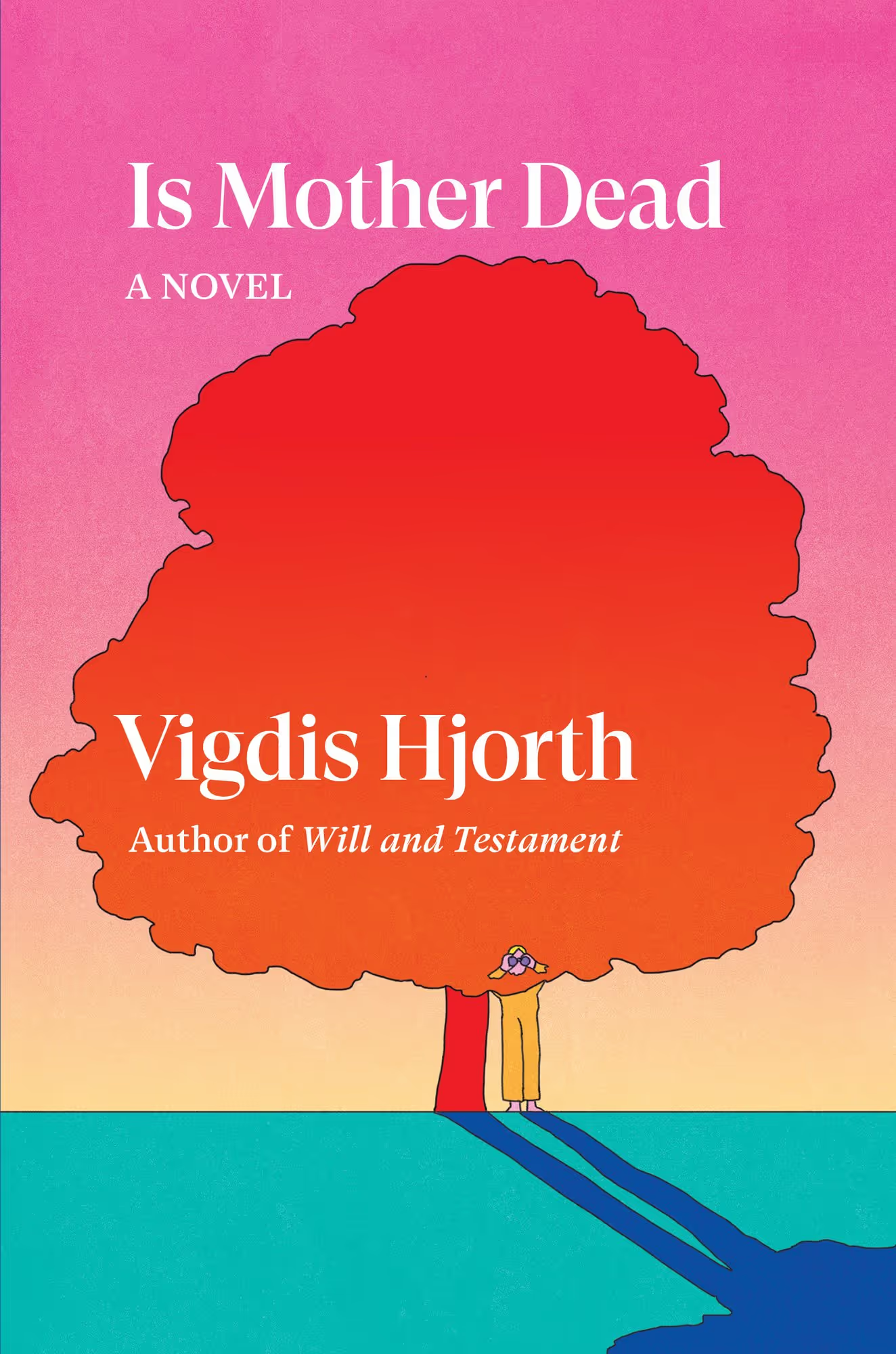
For a Scandinavian diaspora reader, the power of a book like this may not lie in direct autobiography. Few readers will share the protagonist’s exact circumstances. But many will recognize the structure: the family as a place where love, duty, shame, loyalty, and avoidance can become tangled beyond easy explanation. Hjorth’s fiction gives language to what many families communicate without language.
Swedish writer Ia Genberg offers a different kind of recognition. Her novel The Details, translated by Kira Josefsson, is built from recollection: the narrator, while ill, remembers people who shaped her life. The book is intimate, fragmentary, and emotionally exact. It suggests that identity is not formed only through major events, but through the people who leave traces in us: lovers, friends, former selves, unfinished conversations. The novel won Sweden’s August Prize for fiction in 2022 and was shortlisted for the 2024 International Booker Prize, helping bring a contemporary Swedish voice to a wider English-language readership.

For North American readers with Scandinavian backgrounds, The Details can feel familiar not because it announces Swedishness loudly, but because it trusts memory, restraint, and implication. It understands how a life can be told through what remains after people leave. That kind of emotional architecture often resonates strongly in families where history has been passed down unevenly: through fragments, anecdotes, photographs, and habits rather than full explanations.
Then there is Tove Ditlevsen, whose Copenhagen Trilogy has become one of the clearest examples of Scandinavian literature finding renewed life in English. Composed of Childhood, Youth, and Dependency, the trilogy traces Ditlevsen’s working-class childhood in Copenhagen, her formation as a writer, and her struggles with marriage, addiction, and selfhood. The English editions were translated by Tiina Nunnally and Michael Favala Goldman.
Ditlevsen’s work is especially useful for this conversation because it complicates the soft-focus image of Scandinavian life. Her Copenhagen is not a lifestyle backdrop. It is a place of class pressure, gender constraint, ambition, hunger, and artistic longing. For diaspora readers, that matters. Cultural memory is often polished over time into symbols: flags, foods, folk costumes, winter scenes, holiday customs. Literature restores difficulty. It reminds readers that the old country was not only picturesque. It was also hard, intimate, unequal, funny, narrow, beautiful, and alive.
Four books for the new Scandinavian shelf
These works do not offer a postcard version of Denmark, Norway, or Sweden. They carry something more intimate: family silence, memory, class, landscape, faith, and the feeling of cultural recognition across translation.
Translation is not the long way around culture. For many North American readers, it is the way back in.
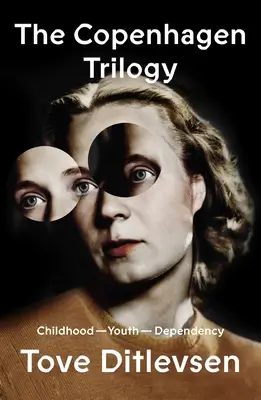
Class, childhood, selfhood
The Copenhagen Trilogy
A Danish classic that restores difficulty to cultural memory: ambition, addiction, gender, work, and the sharp rooms of childhood.
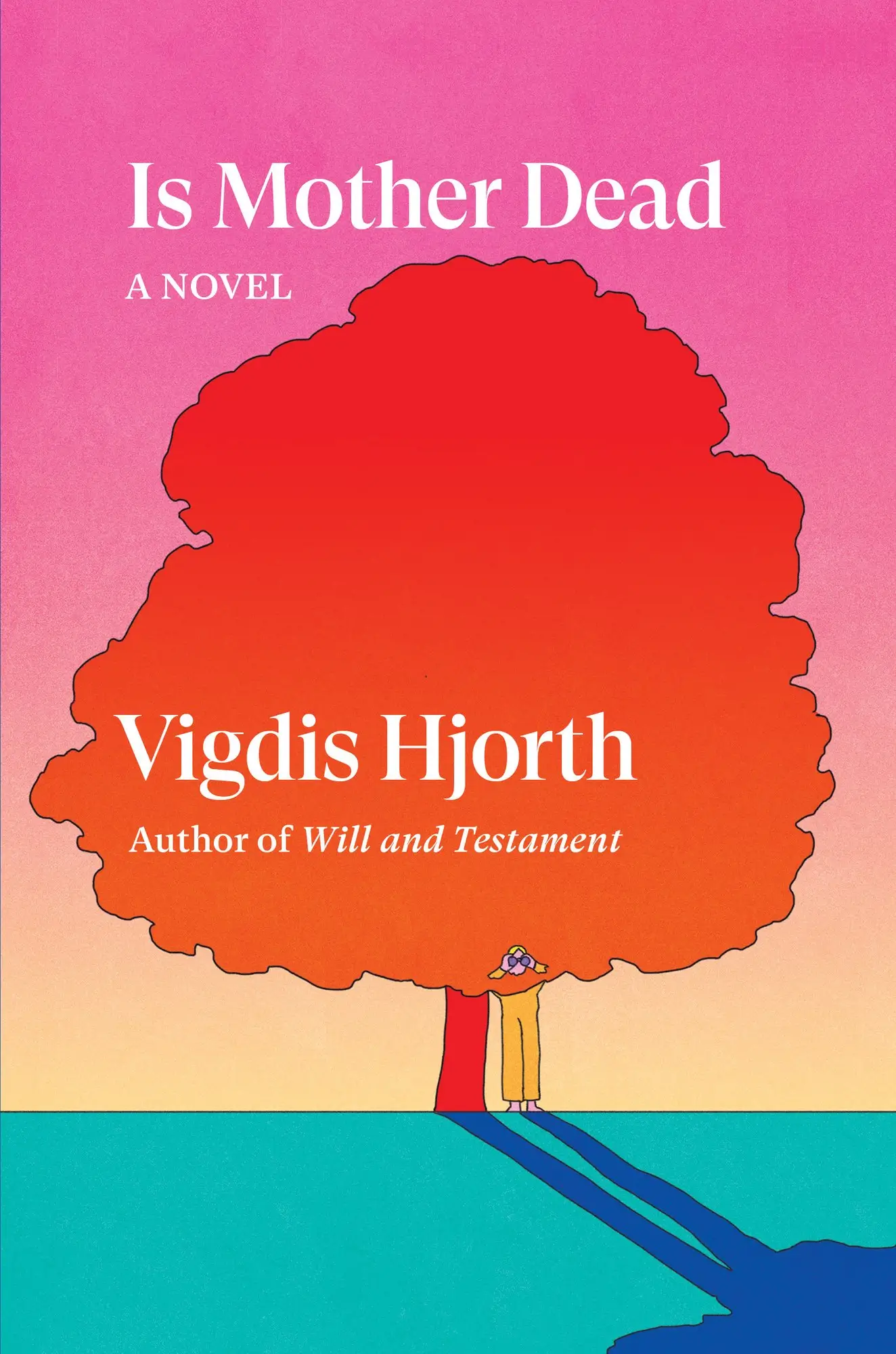
Family silence, return
Is Mother Dead
A Norwegian novel about estrangement, motherhood, and what happens when one person refuses the family’s agreed-upon silence.
.webp)
Memory, intimacy, traces
The Details
A Swedish novel about the people who remain inside us, told through fragments, fever, recollection, and emotional afterimage.
.webp)
Landscape, faith, interior life
Septology
A meditative Norwegian work where repetition, silence, faith, art, and coastal solitude become a language of consciousness.
That is one of the great gifts of translated literature: it protects culture from becoming decorative.
The current Scandinavian shelf in English also shows how varied these literatures are. Jon Fosse’s Septology, translated from Norwegian by Damion Searls, offers a radically different experience from Hjorth, Genberg, or Ditlevsen. Its repetitions, spiritual searching, coastal solitude, and meditative pace create a world where consciousness itself seems to move like tidewater. Fosse’s international visibility grew further after he received the 2023 Nobel Prize in Literature, and Septology has been widely recognized in English translation.
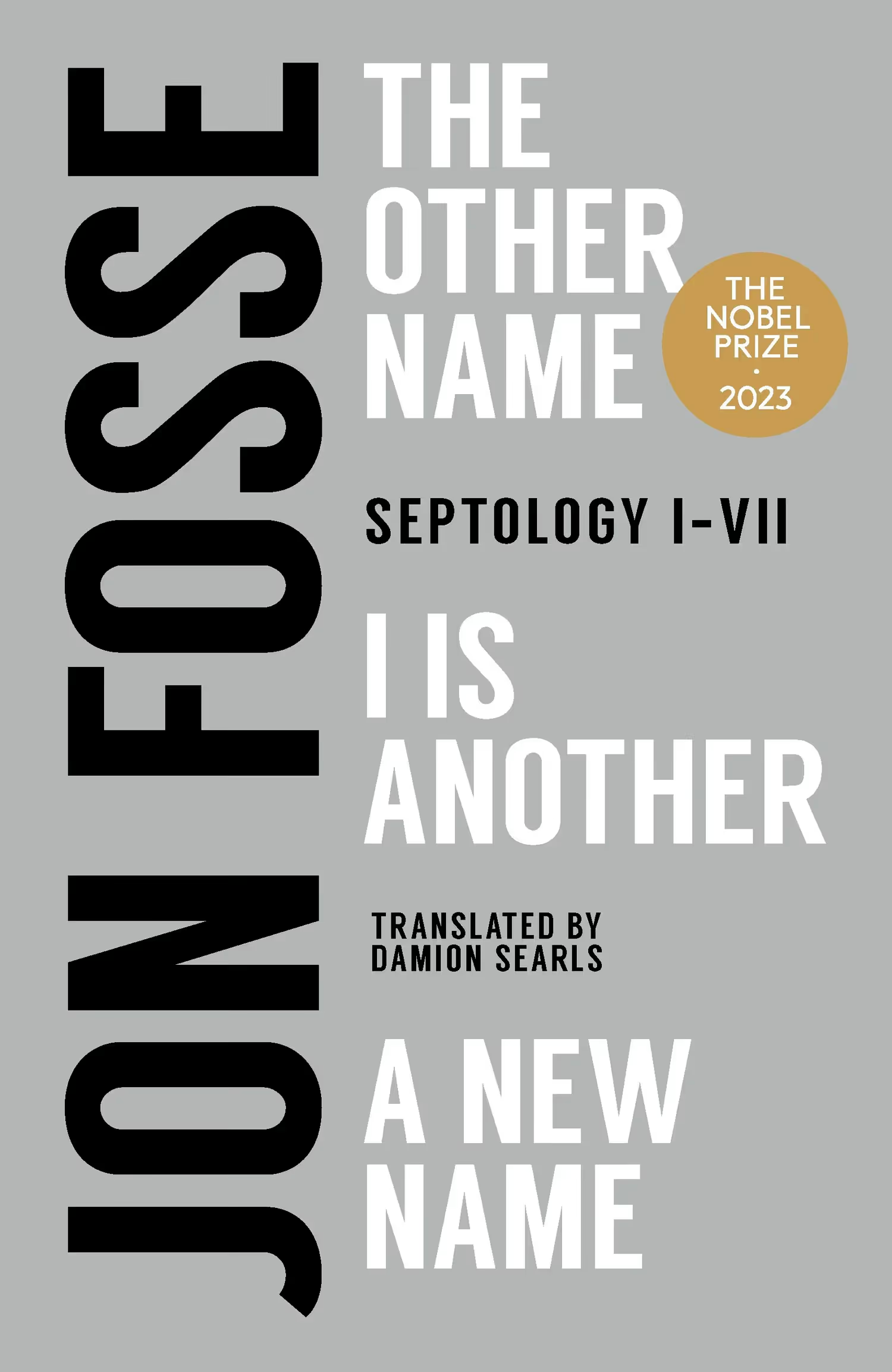
For diaspora readers, Fosse’s work may not offer the immediate family recognition of Hjorth or Ditlevsen. Instead, it offers another familiar Scandinavian quality: the sense that landscape, silence, faith, doubt, and daily ritual are inseparable. The result is not nostalgia, but atmosphere with philosophical weight.
Together, these writers show why the “new Scandinavian shelf” matters. It is not simply a collection of translated books. It is a meeting place between inheritance and contemporary literary life.
For older readers, these works may offer continuity: a way to remain close to languages, cities, and cultural rhythms they already know. For younger readers, especially those whose connection to Scandinavia is partial or interrupted, translation may offer something different. It becomes a way to approach what was not fully passed down. It does not pretend that distance has disappeared. It does not restore lost fluency. It does not turn English into Danish, Norwegian, or Swedish. But it does make contact possible.
That contact can be especially meaningful in families shaped by language loss. There is a particular ache in knowing that a part of one’s inheritance exists behind a language one cannot fully enter. Literature in translation cannot erase that loss. But it can open another door. It allows a reader to encounter a culture’s emotional and imaginative life without first having to prove fluency.
You do not have to pronounce every name perfectly to recognize a moral rhythm. You do not have to read Norwegian to feel the pressure of a family secret in Hjorth. You do not have to read Swedish to understand the ache of remembered intimacy in Genberg. You do not have to read Danish to feel the force of Ditlevsen’s childhood rooms.
That is not a lesser form of cultural connection. It is one of the ways culture keeps moving.
The growing visibility of Scandinavian books in English also helps push beyond the old stereotypes. For years, many North American readers encountered Scandinavian literature mainly through crime fiction, bleak landscapes, and a marketable idea of “Nordic darkness.” Those books remain part of the story, but they are not the whole story. Today’s translated shelf gives readers access to family novels, memoirs, philosophical fiction, feminist classics, queer memory, spiritual prose, class narratives, and formally daring works that resist easy categorization.
That variety matters because identity is rarely sustained by clichés. A living culture has to be allowed to be contradictory, contemporary, difficult, humorous, wounded, and strange to itself. Translated literature gives diaspora readers access to that complexity. It reminds them that Scandinavia is not only an ancestral backdrop or a holiday mood. It is a set of living literary cultures still producing new forms of thought and feeling.
There is also something communal about the way these books travel. They move through independent bookstores, university courses, library holds, Scandinavian cultural centers, online reading groups, and family messages that begin with some version of: this made me think of us. A novel passed between siblings can become a conversation about a parent. A memoir recommended by a cousin can reopen questions about class, migration, gender, or silence. A book club discussion can bring together people who do not share the same national background but recognize a regional emotional vocabulary.
Translation, in that sense, connects more than languages. It connects readers to texts, readers to family histories, and readers to one another.
The most compelling thing about the new Scandinavian shelf: it meets diaspora readers where many actually live. Not in perfect fluency. Not in simple nostalgia. Not in a fantasy of cultural purity. But in the mixed, modern space of inheritance, curiosity, distance, and return.
The bookshelf becomes a meeting place. English is part of the story, not a betrayal of it. Translation is not the long way around culture. For many North American readers, it is the way back in.
And sometimes, that is enough to begin with. Sometimes it is more than enough. Sometimes it feels like coming closer.


)%20(1).avif)