Hungary’s Northern Echo: Why Magyar Feels So Far From Finnish and Estonian — and Yet So Close
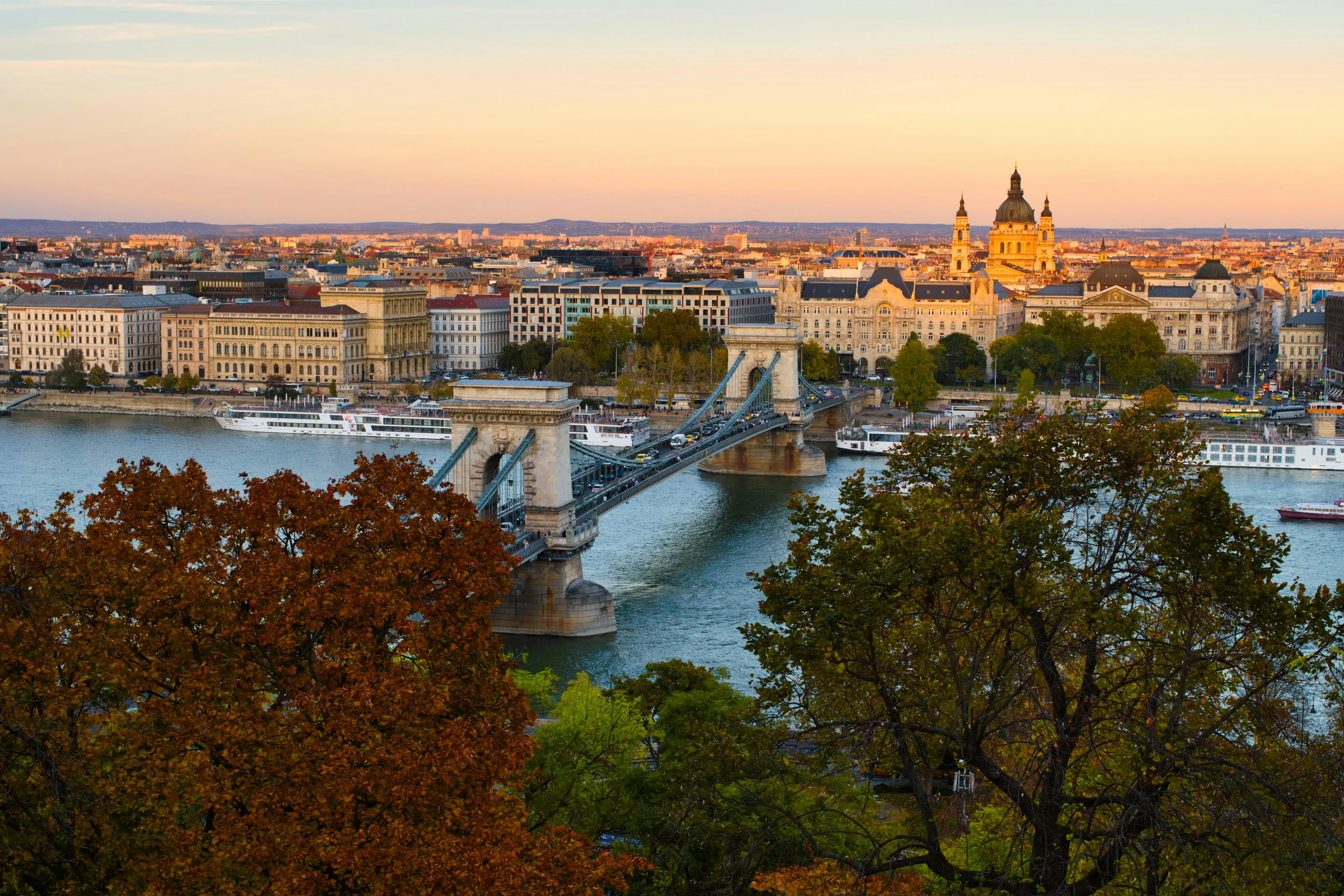
That kinship is ancient, real, and one of the most fascinating reminders that Europe’s cultural map has never lined up neatly with its political one.
A family resemblance measured in millennia
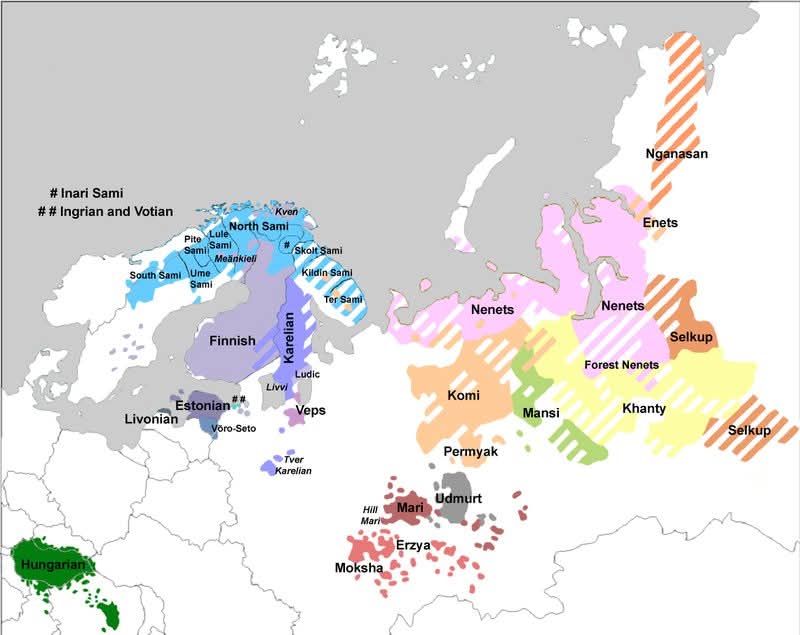
To understand why Hungarian feels both distant and familiar, it helps to begin far from Budapest. Linguists trace the Uralic family back to a common ancestral language, Proto-Uralic, often dated roughly 7,000 to 10,000 years ago and associated with the broader area of the north-central Ural Mountains. Over vast stretches of time, that ancestral language split and spread. Finnish and Estonian developed within the Finnic branch. The Sámi languages form their own branch. Hungarian, meanwhile, belongs to the Ugric side of the family, historically grouped with Khanty and Mansi in western Siberia. So when people say Hungarian is “related” to Finnish, they are right — but only in the way a very distant cousin is still family.
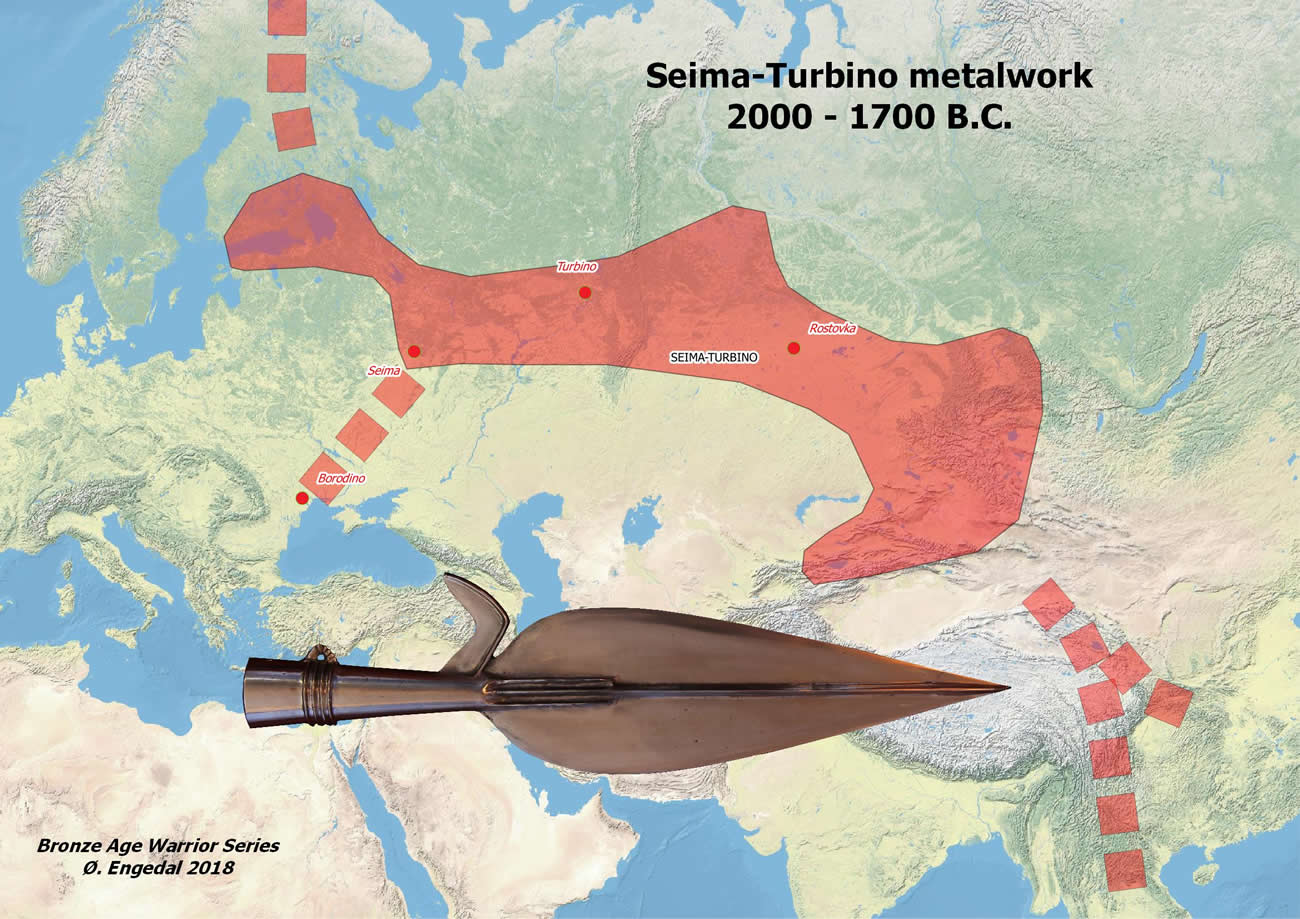
That distinction matters, because it explains both the closeness and the distance. Hungarian is not a Nordic language, and strictly speaking Sámi is not Finnic either. But all of them belong to a northern linguistic world that predates the modern nation-state system. In a European context dominated by Indo-European languages, that alone makes Hungarian stand out. It is not an exotic outlier by accident; it is the western flagship of a much older linguistic migration story.

Why Hungarian sounds so alone in Europe
Hungarian’s ancestors arrived in the Carpathian Basin in the late ninth century, and from that point on the language developed for more than a thousand years in the middle of overwhelmingly non-Uralic surroundings. That geography changed everything. Hungarian remained structurally itself, but its vocabulary and historical experience were shaped by intense contact with other peoples and empires. Scholarly overviews and modern language-policy sources point to deep and lasting layers of borrowing and influence from Turkic, Slavic, Latin, and German, among others. In other words, Hungarian did not become less Hungarian in Central Europe — it became more visibly Central European on the surface while keeping an older Uralic skeleton underneath.
That is one reason Hungarian can feel paradoxical. Its deep grammar links it north and east; its historical vocabulary often reflects centuries of life in the Danube basin. The result is a language that carries two histories at once. On the one hand, it preserves patterns that connect it to Finnish and Estonian. On the other, it has lived so long among unrelated neighbors that its soundscape, literary history, and political symbolism feel unmistakably Central European. That is why Hungarian can seem far from the Finnic world while still belonging to the same broader family.
The hidden closeness: grammar, not conversation
The kinship between Hungarian and the northern Uralic languages is not mainly something you hear in casual conversation. A Finnish speaker does not simply “understand” Hungarian, and a Hungarian speaker cannot stroll into Tallinn or Rovaniemi expecting effortless comprehension. The closeness is deeper than that. It lives in structure. Hungarian is described by linguists as an agglutinating language with rich morphology and an intricate system of vowel harmony; these are features long associated with Uralic languages more broadly. In practical terms, words are built by adding sequences of endings that carry grammatical meaning, and those endings often shift shape to harmonize with the vowels in the word stem.
This is where the family resemblance begins to show. Finnish and Estonian may not sound like Hungarian on the surface, but they share the same preference for grammatical architecture over heavy reliance on separate little function words. Meaning is packed into endings. Relationships of movement, possession, number, and case are often expressed not by standalone prepositions but by suffixes and inflectional patterns. That does not make the languages mutually intelligible. It does mean that, to a linguist, they “feel” related in the way they organize reality. Hungarian is close to its northern cousins less as melody than as engineering.
Hungarian also reminds us that related languages do not stay frozen in parallel. Over centuries, Finnic languages developed one way, Sámi languages another, and Hungarian another still. Some common features may go back to Proto-Uralic; others may have been reinforced, weakened, or reshaped by later regional contact. Even scholars of Uralic typology caution that not every similarity is a pure inheritance from a shared ancestor. Language families are not museums. They are living systems altered by migration, trade, conquest, religion, education, and prestige. Hungarian’s “difference” is therefore not evidence against its kinship with Finnish or Sámi; it is evidence of history at work.
From oral memory to literary language
Hungarian’s written history tells its own story of continuity and transformation. The earliest written traces of Hungarian survive mostly as names and fragments embedded inside Latin legal or ecclesiastical documents. The first continuous Hungarian text, the Halotti beszéd (“Funeral Sermon and Prayer”), dates from around 1200 and still stands as a landmark not only of Hungarian literature but of European vernacular writing more broadly. Soon after came the Old Hungarian Lament of the Virgin Mary, among the earliest surviving poems in the language. These texts are crucial because they show a language already clearly itself, even while Latin still dominated official and learned writing.
The next great turning point came much later, with the modernization and standardization of Hungarian in the late eighteenth and early nineteenth centuries. Oxford’s overview of the language notes that Hungarian was standardized in the early nineteenth century, while research from the University of Vienna places the first major phase of the Hungarian language renewal between 1776 and 1825. That reform era did more than tidy spelling or refine grammar. It helped turn Hungarian into a modern vehicle for science, administration, journalism, and national literature. In that sense, Hungarian’s history mirrors that of Finnish and Estonian as well: each became not just a language of home and memory, but a language of modern public life.
Why this matters now
There is a temptation, whenever Hungary dominates headlines, to read the country only through geopolitics: East versus West, Brussels versus Budapest, liberalism versus nationalism. But the language suggests a deeper, older perspective. Hungarian is a reminder that Europe has never been a tidy civilizational block. Beneath the map of states lies a far older map of words, sounds, and ancestral structures. On that map, Hungary is not simply “central” or “eastern.” It is also connected to a northern arc stretching through Estonia, Finland, and Sápmi — not by recent alliance or regional branding, but by linguistic descent.
That is why Hungarian seems so far, yet so close. It feels far because everyday speech does not reveal its kinship immediately, and because a thousand years in Central Europe have wrapped the language in layers of local history. But it feels close because the relationship is real at the level that lasts longest: structure, descent, and deep historical memory. Hungarian is not Europe’s linguistic orphan. It is Europe’s northern relative living in the middle of the continent — a language that proves geography can mislead, and that family resemblance sometimes survives best where the eye least expects it.

)%20(1).avif)