Hancock Celebrates Juhannus as North America’s First Finno-Ugric Capital of Culture

There are places where heritage is preserved carefully, and there are places where it still moves through daily life.
Hancock, Michigan belongs to the second kind.
On the Keweenaw Peninsula, Finnish American culture is not an occasional theme or a decorative memory. It is part of the local soundscape, institutional landscape, family history, festival calendar, and public identity. The city is home to the Finnish American Heritage Center, the Finnish American Folk School, and the Finnish American Reporter, each now stewarded by Finlandia Foundation National. It has long been understood as one of the clearest centers of Finnish American life in the United States.
In June 2026, that history will take on an international dimension.
.jpg)
From June 17 to 21, Hancock will host Juhannus Suurjuhlat, a five-day midsummer festival and the centerpiece celebration of the city’s designation as the 2026 Finno-Ugric Capital of Culture. The designation marks a first for North America, placing a small Upper Peninsula city into direct conversation with a broader network of Finno-Ugric peoples, languages, and cultural communities across Europe and beyond.
The festival begins from a deeply Finnish place. Juhannus, the Finnish celebration of midsummer and the summer solstice, is traditionally tied to the long light of June, gathering outdoors, sauna, water, music, friends, family, and the lighting of the kokko, or midsummer bonfire. In Hancock, that familiar midsummer structure expands into something larger: part festival, part cultural summit, part community homecoming.
The result is not simply a Finnish American celebration, though it is certainly that. Juhannus Suurjuhlat is also an argument about what heritage can become when local identity is treated as a bridge rather than a boundary.
The festival opens on Wednesday, June 17, with a lecture at the Quincy Mine Hoist Museum on Finnish industrialist Bruno Nordberg, followed by an opening reception for the 4th Annual Folk School at Midsummer Exhibition at the Finlandia Art Gallery. It is a fitting beginning: local history, industrial memory, folk education, and visual culture all placed within the same midsummer frame.
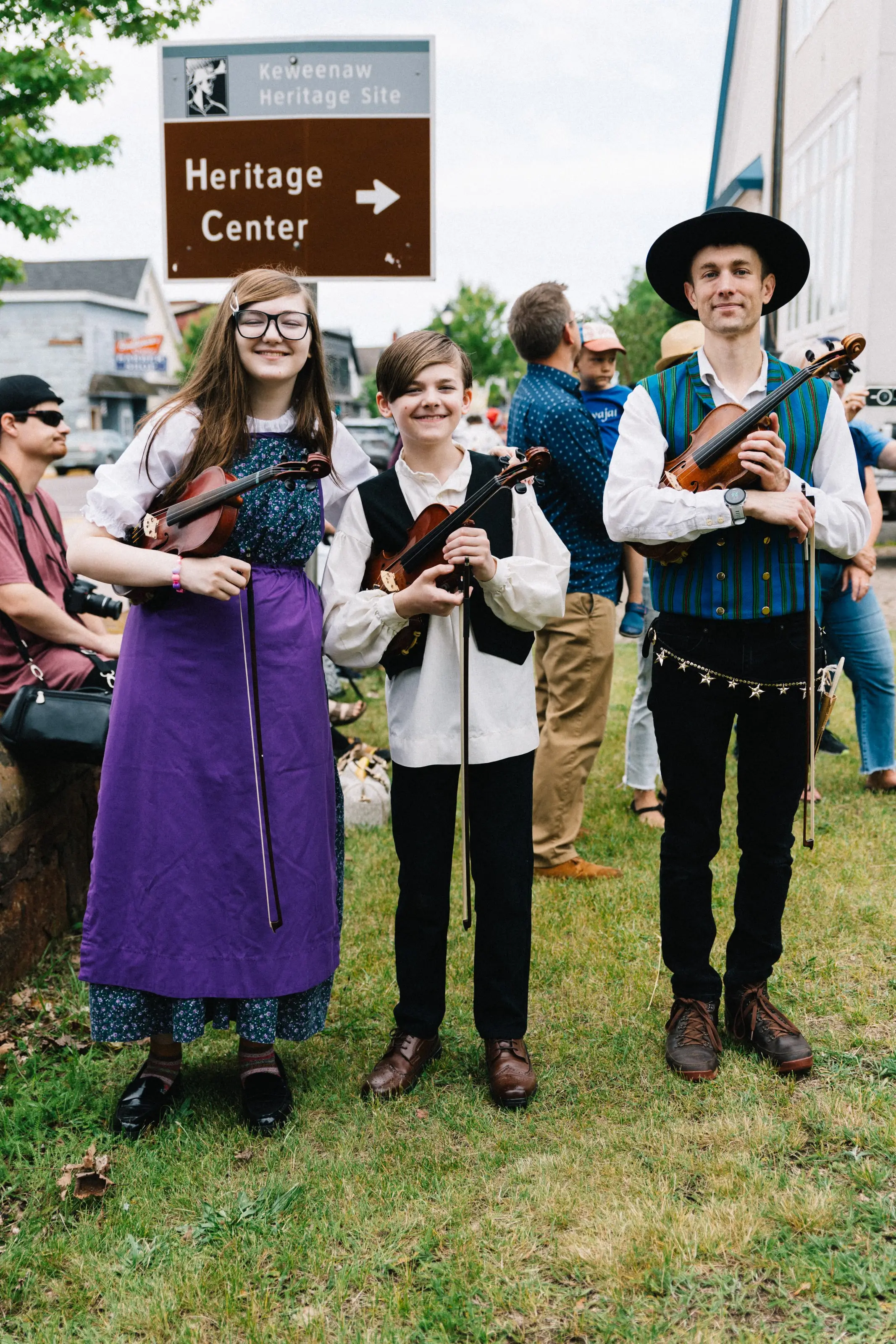
Thursday, June 18 brings the 2nd Finno-Ugric Open Forum, a full-day academic and cultural conference at Hancock High School. The forum is scheduled to open with a keynote address by Finland’s Ambassador to the United States, Leena-Kaisa Mikkola, followed by panels addressing the current state of the Finno-Ugric world, youth cooperation between Europe and North America, and the transatlantic dimensions of Finno-Ugric cultural identity. The day closes with an evening mixer and live music at the Finnish American Heritage Center.
For a community festival, that kind of diplomatic and scholarly presence is notable. It signals that Hancock’s celebration is not only about nostalgia, but about active cultural relationship-building. Finnish American identity here is not treated as a closed inheritance. It is connected outward: to Finland, Estonia, Hungary, the broader Uralic language family, Indigenous and minority cultural questions, and the challenge of sustaining small-language cultures across generations.
Friday, June 19 is described as the heart of the festival: Finno-Ugric Day of Culture. Across multiple stages at Hancock High School, the day brings lectures, panels, musical performances, and film screenings on subjects ranging from the origins of the Finnic peoples and the history of kantele music to the story of John Morton, often remembered in Finnish American circles as America’s Finnish Founding Father.
.jpg)
The day’s performers include Finnish and Estonian folk ensembles, youth dance groups, and kantele artists. Estonian cultural organizations and performers are part of the larger program, helping make the event not only Finnish American, but genuinely transnational in scope. This matters for Nordic and Baltic readers alike. The Finno-Ugric story is not confined to one flag. It touches Finland and Estonia directly, but also extends toward Sámi, Kven, Hungarian, Udmurt, and other related cultural and linguistic communities whose histories are often less visible in North American public life.
Running alongside the June 19 programming, the Tori Market will offer shopping, storytelling, and live music from 10 a.m. to 6 p.m. Folk School workshops are also scheduled throughout the afternoon at Skyline Commons, with opportunities to learn traditional and heritage crafts including jouhikko, birch bark stars, himmeli ornament making, and wet felting.
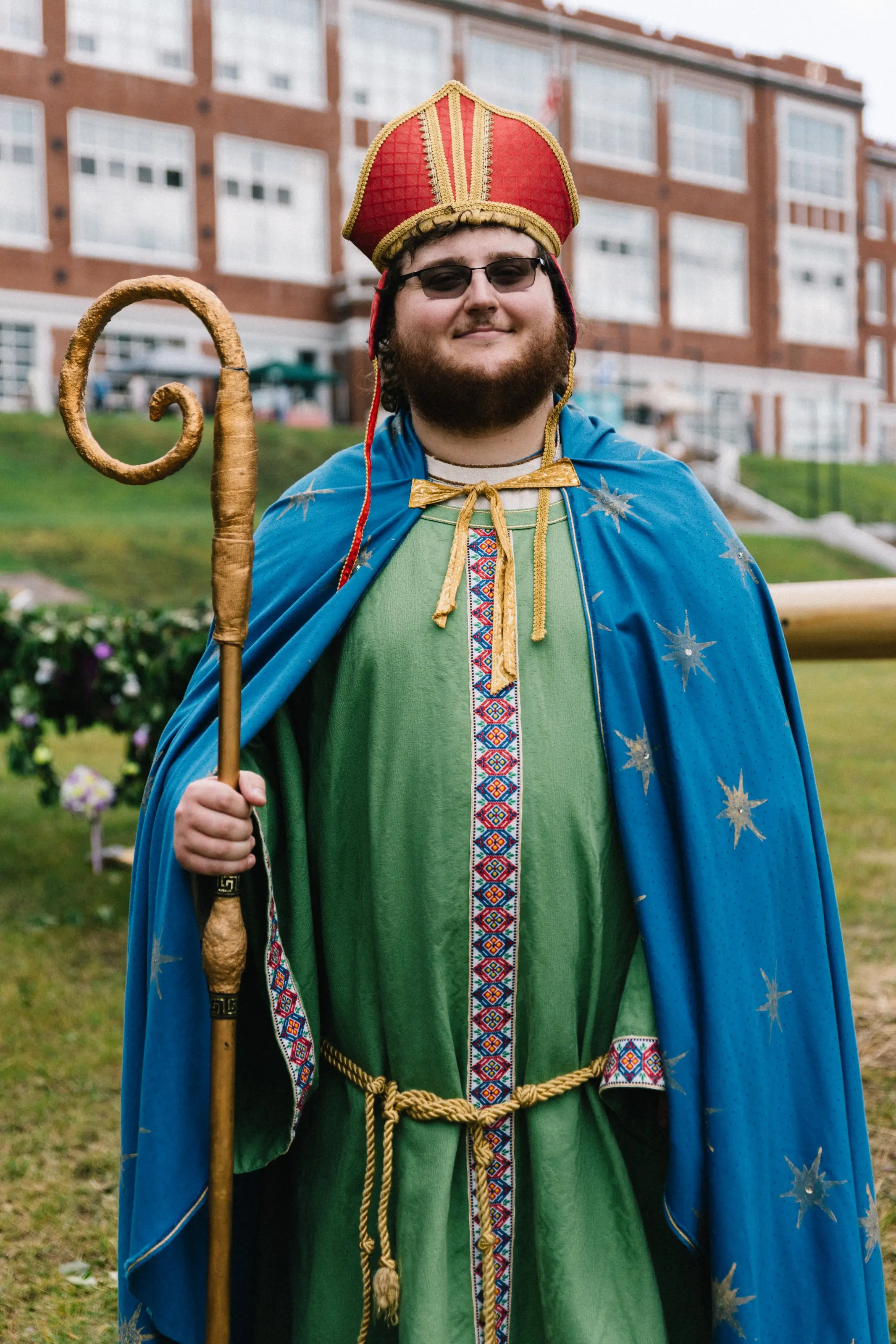
Those workshops may seem modest beside diplomatic speeches and cultural panels, but they are central to what makes the festival meaningful. Heritage survives through institutions and public recognition, but also through hands. Someone learns to bend birch bark. Someone hears the resonance of a jouhikko. Someone discovers that a himmeli is not only an ornament, but a structure of attention. Culture moves because people still make things.
On Friday evening, the festival shifts toward Hancock Beach. The Sauna Expo opens, live music begins at 5 p.m. with the Northern Stars Sámi Girls from Finland, Minnesota, and the Juhannus Kokko — the traditional midsummer bonfire — is scheduled to be lit at 8 p.m.
.jpg)
There may be no clearer symbol of Juhannus than fire at the edge of water. For Finnish and Finnish-descended communities, the kokko carries the emotional force of the season: light meeting light, summer reaching its height, people gathered outdoors because the calendar has asked them to be present. In a North American setting, that fire also becomes a signal of continuity. It says that the old forms can still gather new people.
Saturday, June 20 brings the festival’s full public atmosphere. The Tori Market continues, family-friendly drop-in activities take place at the Finnish American Heritage Center, and the Finno-Ugric Festival on the Green features live ethnic music, a parade of ethnic costumes, flags, and the Tsirk bird, the symbolic figure connected to the Finno-Ugric Capitals of Culture program.
That day also includes the Midsummer Pole Raising Ceremony and the announcement of the 2027 Finno-Ugric Capital of Culture, formally linking Hancock’s year to the next title-holder. In that moment, the Upper Peninsula becomes part of a wider ceremonial geography: one node in a line of cultural capitals that has included communities in Estonia, Finland, Hungary, and other Finno-Ugric regions.
The afternoon adds a lighter but no less memorable set of traditions: the Wife-Carrying Contest and International Sauna Games. In the evening, a dance at the Finnish American Heritage Center features live music from Lauluaika and the Northern Stars Sámi Girls. For audiences looking for a different kind of Finnish cultural export, the Orpheum Theatre will host a free screening of the Finnish cult comedy Heavy Trip, followed by Michigan’s first-ever Air Guitar competition.
That combination of solemnity and humor is part of the festival’s strength. Cultural life is not sustained by reverence alone. It needs seriousness, but also play. It needs elders, but also youth. It needs lectures, but also dancing. It needs bonfires and formal panels, sauna games and scholarly conversations, market stalls and documentary screenings. A living heritage event must be able to hold all of it.
.jpg)
Sunday, June 21, the summer solstice itself, invites visitors to explore the Keweenaw Peninsula at their own pace. That choice feels appropriate. Hancock’s Finno-Ugric Capital of Culture year is inseparable from place. The festival belongs not only to a program schedule, but to a landscape shaped by migration, mining, water, language, labor, memory, and community-building.
For Finnish Americans, the event is a celebration of identity at a moment when many heritage communities are asking how culture can remain active across generations. For people of Finno-Ugric heritage more broadly, it offers a rare North American gathering point. For scholars, artists, educators, and cultural organizers, it creates a space where language, folklore, diplomacy, music, craft, and community practice can meet. For the Keweenaw region, it is a point of local pride and a reminder that small cities can carry international cultural meaning.
Hancock’s designation as the 2026 Finno-Ugric Capital of Culture is historically significant not because it turns the city into something new, but because it recognizes something already present. Finnish American culture has long had roots in the Copper Country. What Juhannus Suurjuhlat does is make those roots visible within a broader transatlantic and Finno-Ugric frame.
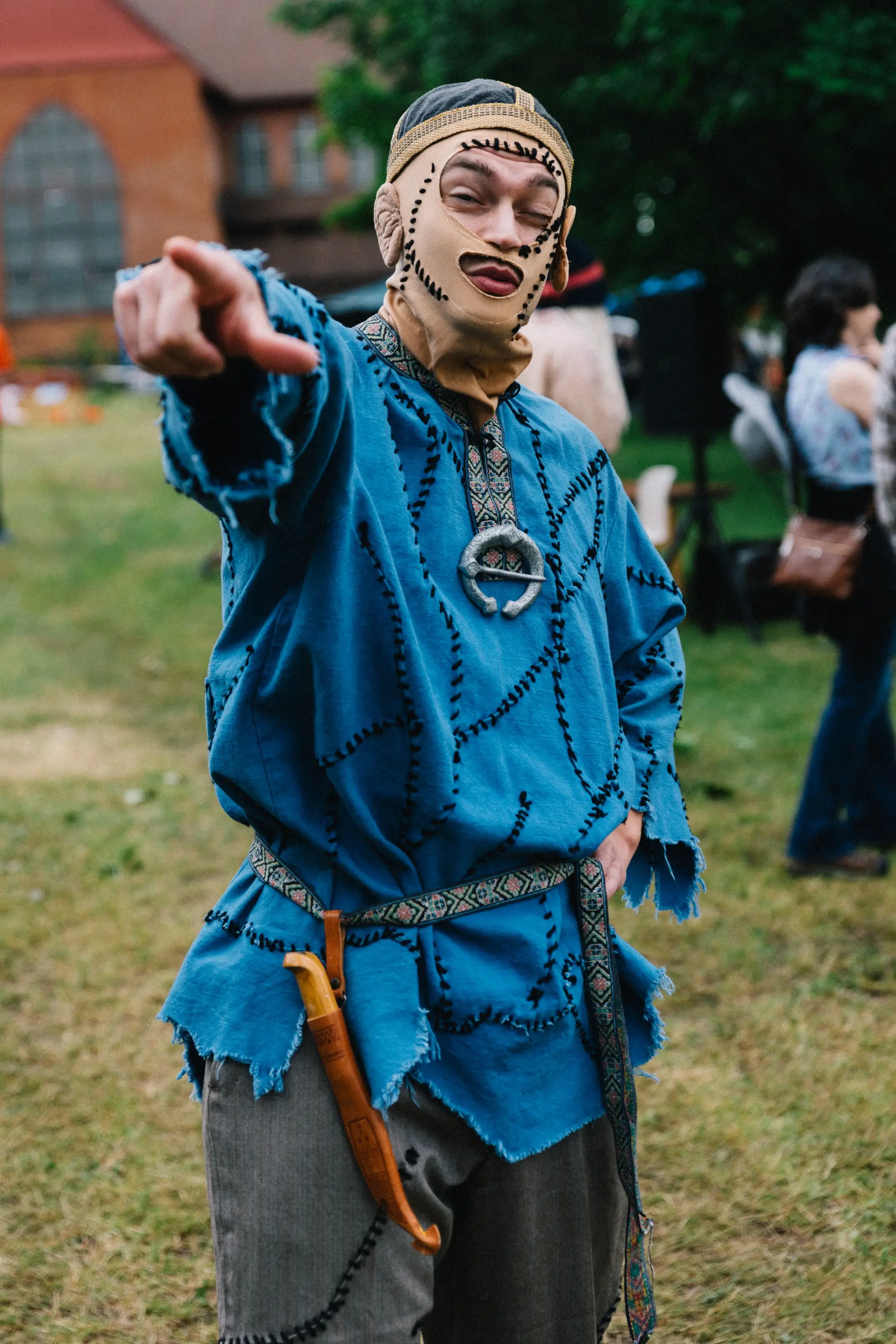
That visibility matters. In North America, ethnic and heritage communities are often asked to prove their relevance in the present tense. Are they still active? Do younger people care? Can language, craft, food, music, sauna, and story survive beyond nostalgia?
Hancock’s answer appears to be yes — if culture is allowed to gather in public, invite participation, and connect local memory to a wider world.
At its heart, Juhannus Suurjuhlat is about more than a festival weekend. It is about what happens when a community refuses to treat heritage as something finished. A bonfire is lit. A pole is raised. A market opens. A song begins. A workshop table fills. A flag enters a parade. A sauna door opens. A child watches. An elder remembers. A visitor learns that Hancock is not only a place on the map, but a living center of Finnish American and Finno-Ugric cultural life.
Midsummer is always about the longest light.
In Hancock this June, that light reaches across languages, across generations, and across the Atlantic.

)%20(1).avif)