When a Swedish Lawn Game Becomes a North American Family Reunion
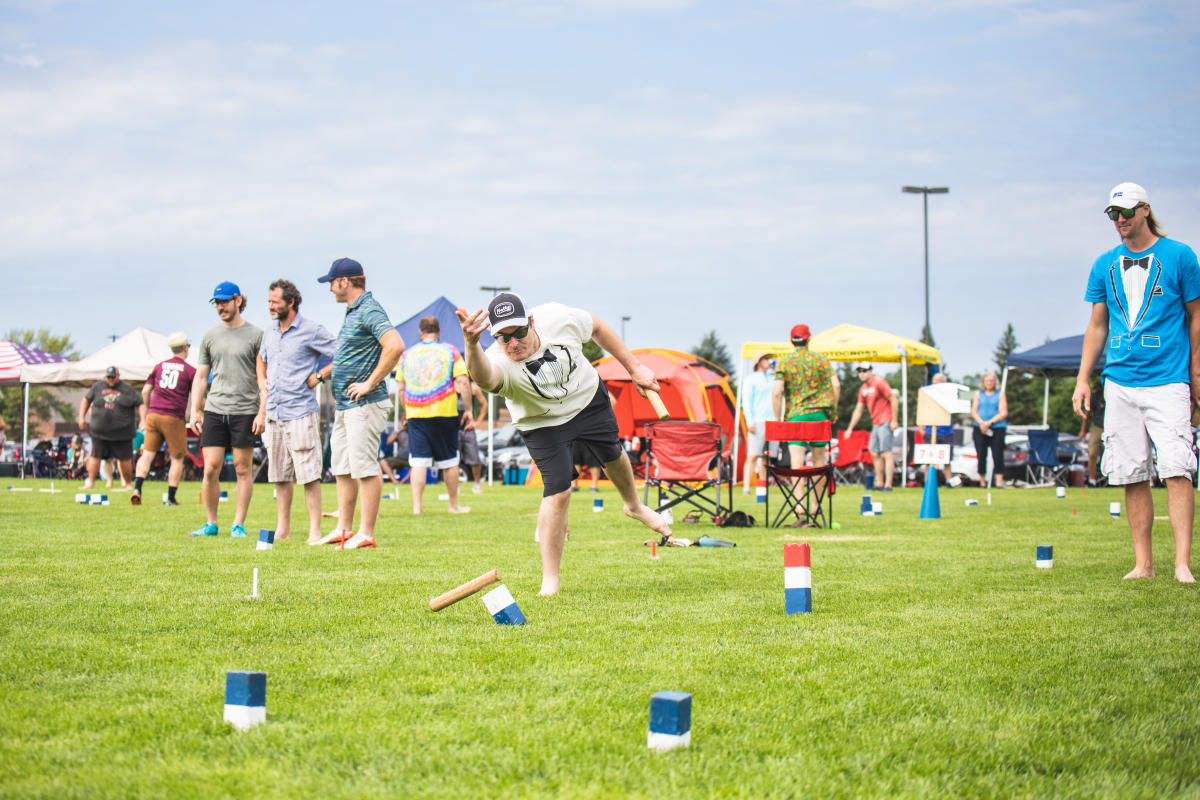
At first glance, kubb looks almost too simple to carry much cultural weight.
A few wooden blocks. Six batons. A rectangular patch of grass. Two teams attempting to knock down one another’s pieces before taking aim at the wooden king standing in the middle.
Then the first baton hits.
The sound is plain and satisfying—a dry clack of wood against wood, closer to a backyard afternoon than a concert hall, theater, or museum gallery. Yet in Eau Claire, Wisconsin, that sound has become part of a much larger story about competition, friendship, cultural inheritance, and the unexpected ways a tradition can establish roots far from home.
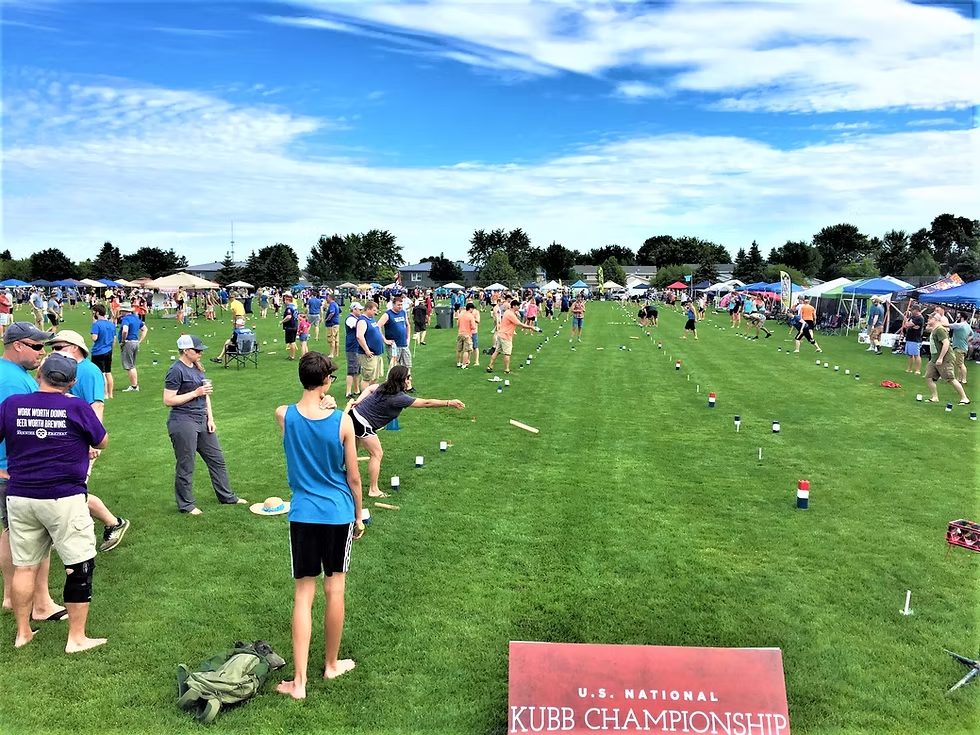
From July 10 through 12, Eau Claire hosted the 19th annual U.S. National Kubb Championship. Kubb Reapers, representing Eau Claire and Hartford, Wisconsin, claimed the 2026 title, followed by the Minnesota-based team Science, the Chaska Blue Bell Ringers, and Wrecking Crew, whose players came from Wisconsin and Belgium.
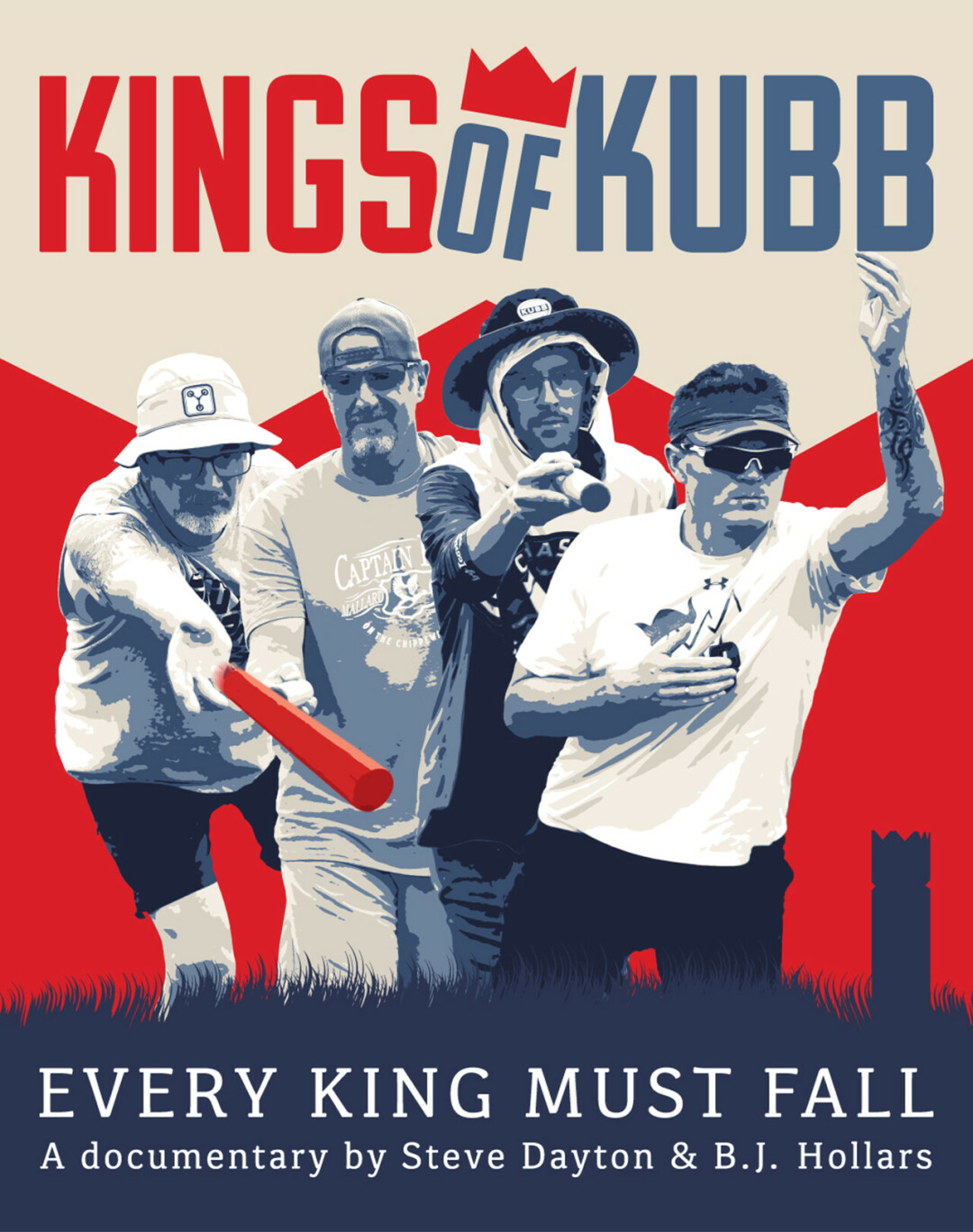
Now the game is moving from the grass to the screen.
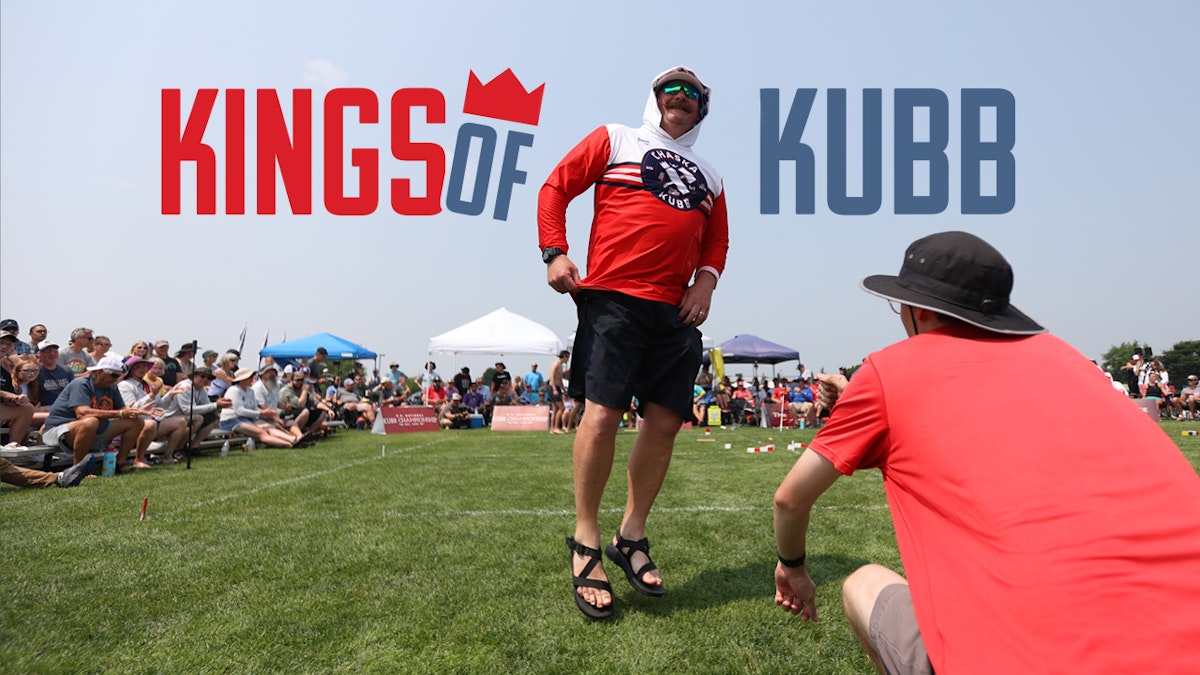
On July 30, the Swedish Club and Seattle’s National Nordic Museum will present Kings of Kubb, a feature-length documentary following four elite competitors as they pursue the U.S. championship. Directors B.J. Hollars and Steve Dayton will then meet Seattle audiences at the Swedish Club on July 31, extending the film’s visit into another community gathering.
It is an appropriately social setting for a film about a game whose most important action may happen between matches.
A Game Almost Anyone Can Enter
For Nordic communities in the United States and Canada, kubb may initially seem like a charming side note—the game brought out at a summer picnic, Midsummer celebration, or heritage festival when people need something to do between the coffee table and the dance floor.
That may be exactly why it matters.
Not every cultural inheritance arrives through language schools, formal ceremonies, archives, or carefully guarded family recipes. Some traditions endure because they are easy to enter. Someone hands you a wooden baton. Someone explains where to stand. Someone laughs when your first throw misses everything.
The fundamentals of kubb are straightforward. Two teams throw batons across a pitch, attempting to knock down the opposing side’s wooden blocks, known as kubbs. Fallen blocks are thrown back onto the field and must be cleared before a team can attack the remaining baseline pieces. Once every opposing kubb has fallen, the team can attempt to topple the king and win the game.
The rules can be learned quickly, but experienced players find considerable strategy in where the blocks land, how throws are divided among teammates, and when an apparently safe decision can transform the pitch.
It is part bowling, part horseshoes, and part spatial puzzle. A child can play. A grandparent can play. A newcomer can participate without knowing Swedish, memorizing a songbook, or understanding the migration history of everyone else on the field.
That openness gives kubb an unusual cultural power. The game does not demand that a person prove belonging before joining. Participation comes first. Connection can follow.
Leaving the Vikings Out of It
Kubb is frequently promoted as “Viking chess,” but its history is less certain—and arguably more interesting—than that marketable nickname suggests.
The modern game is strongly associated with Sweden and particularly the island of Gotland, where the Kubb World Championship has been held since the 1990s. Claims that kubb originated during the Viking Age, however, remain far more difficult to substantiate.
Kubb does not need a Viking costume to feel culturally meaningful.
Its real North American significance lies not in transporting players into a heroic Scandinavian past, but in demonstrating how a portable practice can acquire new meaning in another place.
A game travels as a collection of objects. The objects are unpacked in a backyard or park. Neighbors learn the rules. Repeated play becomes habit, habit becomes a local tradition, and a local tradition gradually becomes part of a city’s identity.
That is essentially what happened in Eau Claire.
Eric Anderson encountered kubb through connections with Sweden and launched the U.S. National Kubb Championship in 2007. The inaugural competition included 15 teams and 35 players. Today, organizers describe it as the oldest and largest kubb tournament outside Europe and one of the largest in the world.
In 2024, the championship hosted 144 teams, setting a record for a tournament requiring at least three players on each team. It matched that number again in 2025.
Anderson also successfully petitioned city officials to recognize Eau Claire as the Kubb Capital of North America, giving a Swedish lawn game an official home in western Wisconsin.
The title could sound like a clever piece of municipal branding. Over time, however, it has come to describe something real.
Beyond the Championship Pitch
Hollars and Dayton spent two years interviewing players, following local leagues, and observing leading teams as they prepared for the national tournament. Their documentary focuses on four accomplished competitors, as well as Anderson’s effort to build and sustain Eau Claire’s kubb culture.
The premise could easily have been treated as a novelty: ordinary Midwesterners taking a lawn game extraordinarily seriously.
Kings of Kubb instead appears interested in what that seriousness makes possible.
The competitors train. They develop strategies. They experience pressure, disappointment, rivalry, and the particular heartbreak of watching a carefully thrown baton miss its target. Yet the filmmakers also encountered a culture defined by unusual warmth.
Players have repeatedly described the national championship less as an impersonal sporting event than as a family reunion. Competition gives people a reason to arrive. Community gives them a reason to return.
The film’s attention to sound captures this tension particularly well. Dayton recorded the repeated clinking and cracking of batons striking kubbs, treating the noise as part of the game’s emotional texture.
The sound announces success, but it also draws people closer.
An observer hears it from across a field and walks over. Someone begins explaining the rules. Before long, another player has joined the pitch.
A Wider Doorway Into Heritage
Many Nordic and Baltic communities in North America face a familiar concern: what happens when heritage languages become less fluent, institutions grow older, and younger generations feel connected to an inherited identity without always knowing how to express it?
Kubb offers one modest answer.
Make the doorway wider. Let people enter through play.
A person does not need to know the Swedish word kastpinnar to throw a baton. A family does not need flawless heritage credentials to place a kubb set on the lawn. A spouse, neighbor, or friend can join without worrying that they are stepping into a cultural space whose rules extend far beyond the game itself.
That accessibility is not trivial.
Heritage can become intimidating when it is presented primarily as knowledge to be mastered: the correct words, recipes, songs, dates, costumes, and historical references. Those things remain valuable, but they cannot be the only available points of entry.
Kubb asks for something simpler.
Stand here. Aim there. Try again.
The activity gives people something to do with their hands while conversations begin. Children can participate without sitting through an explanation of why participation matters. Mixed-heritage families do not have to choose which side of the family history qualifies them to play. Cultural meaning develops around the experience rather than being imposed before it.
A lawn game cannot replace language preservation, historical education, or the work of cultural institutions. It can, however, create the kind of relaxed social environment in which curiosity grows.
Someone who begins with kubb may eventually wonder about Gotland. A child who remembers playing at a Swedish festival may later become interested in the music, food, language, or migration history surrounding it.
The game does not have to carry the entire culture. It only has to open a door.
From Eau Claire to Seattle
The Seattle presentation of Kings of Kubb places this Wisconsin story within a broader Nordic American setting.
The July 30 screening will take place in the National Nordic Museum’s Osberg Great Hall. An informal gathering is planned afterward at Skål Beer Hall in Seattle’s Ballard neighborhood.
The following evening, Hollars and Dayton will appear at a reception in the Swedish Club’s Three Crowns Lounge, where audiences can hear more about the making of the documentary and the real-life competition behind it.
That movement—from museum to screening, from screening to conversation, and from conversation into another shared evening—is itself part of the story.
It expands the idea of what Nordic cultural programming can look like in North America. A documentary about kubb is not a solemn heritage lecture. It is not primarily a language-preservation project, although it may inspire curiosity about Swedish language and customs. It is not a historical epic, despite the wooden king and the persistent Viking branding.
It is cultural life in a more ordinary register: funny, competitive, welcoming, occasionally intense, and built around people choosing to show up.
For diaspora communities, that may be the most useful lesson.
Culture continues when people have reasons to gather that feel alive in the present. A song festival can accomplish this on a grand scale. A museum can do it through exhibitions and preserved objects. A film can do it in a darkened hall.
A lawn game can do it with a patch of grass and a few pieces of wood.
Earlier this month in Eau Claire, champions were crowned, old friends reunited, and first-time observers likely stopped because they heard the unmistakable clack of a baton finding its target.
In Seattle, audiences will soon watch that world translated onto the screen before continuing the gathering beyond the closing credits.
Some will arrive already knowing the game. Others may see it for the first time.
Either way, kubb offers a small but sturdy reminder: heritage is not only what we preserve.
It is also what we play.

)%20(1).avif)