She Rebuilt the Ryijy Out of Ceramic. It's on Broadway Until 31 October.
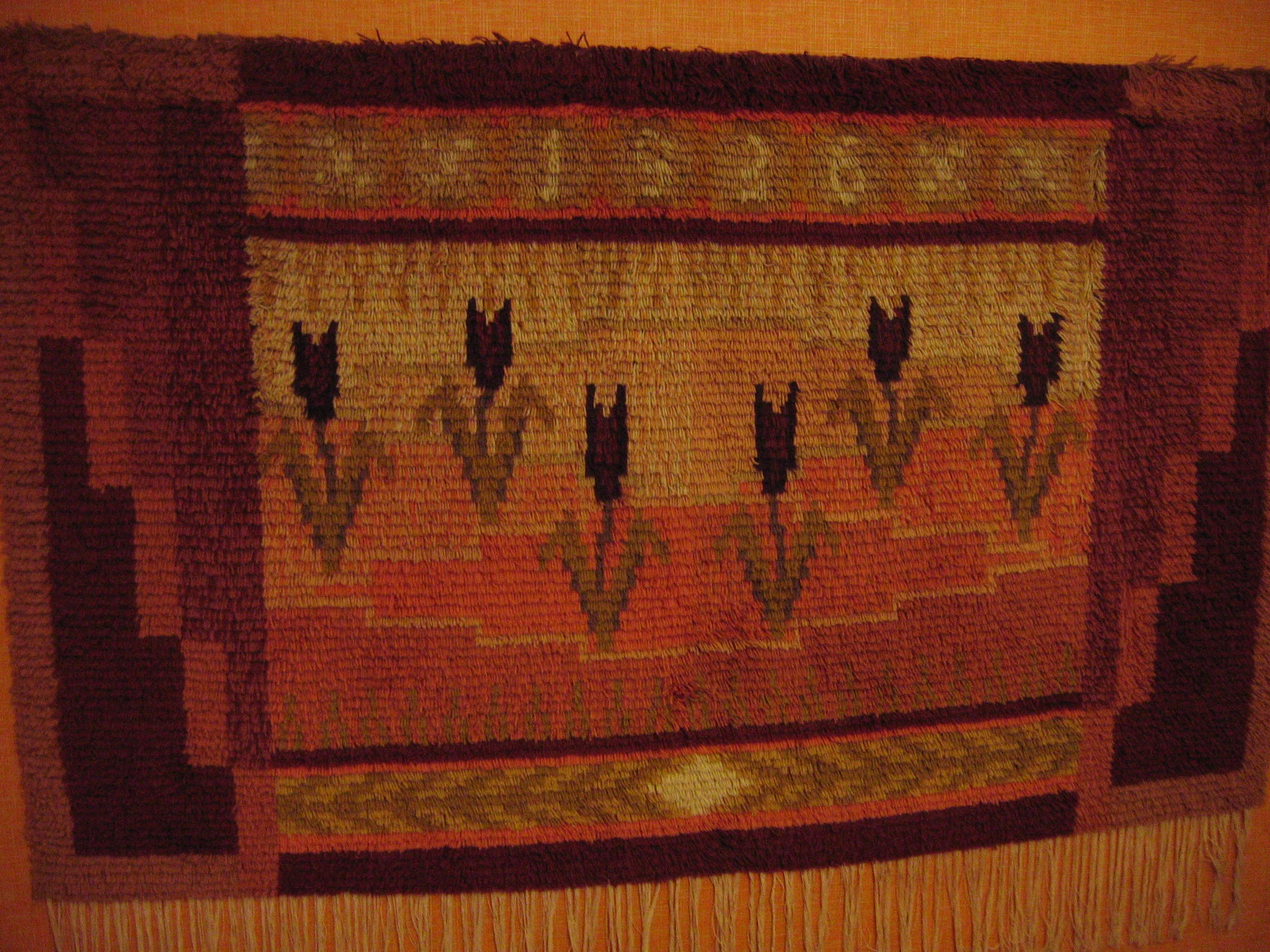
The ryijy is one of the most ordinary objects in Finnish domestic history and one of the strangest. A long-pile woollen textile, it began as bedding on fishing boats and in unheated farmhouses — warmth first, pattern second — before moving onto the wall as the thing a household hung up to be looked at. By the twentieth century it had become a vehicle for some of the most ambitious abstract design in the Nordic countries.
It is also, definitionally, soft.
Which is what makes the work in “Voyage,” the Finnish artist Marianne Huotari's first solo exhibition with HB381 in New York, worth the trip downtown. Her wall works read, at a distance, as ryijy. Up close, every tuft turns out to be fired clay.
Hundreds of beads, one armature
Huotari (b. 1986) is primarily a ceramicist, and the method is the argument. She hand-sculpts the components — oblong beads, rounded medallions, crimped petals — then sorts them by shape, size and tone and wires them one by one onto a steel armature. The gallery's own description reaches for the workshop of a couturier, and the comparison is apt: the armature stands in for a dressmaker's mannequin, and the composition is built up in passes rather than woven in one.
The results run to real scale. Night in the Arboretum and By the Waterfall — the latter her largest work to date — are expansive garden scenes that shift between pattern and depth depending on where you stand.
There is a sensory detail here that no photograph carries, and it is the reason to see the show in person rather than on a screen. Because the works are assemblies of hundreds and sometimes thousands of separate ceramic elements hung on wire, they move and sound. Lifting and installing them sets off a soft percussive rustle. A textile absorbs sound. This does the opposite.
Where the references come from
The imagery is not a heritage exercise. Huotari pulls from botanical, sartorial and carnivalesque sources at once, and the densely packed surfaces land somewhere between the paisleys and optical patterning of the 1970s and the decorative vocabularies of rococo and art nouveau. The gallery frames the register as euphoric and oracular — which is unusual language for craft, and about right for work this saturated.
Elizabeth Essner, writing the essay for the exhibition, puts the effect more plainly:
Huotari's dream-like works nearly envelop the viewer — a strange and delightful refuge from today's harsh realities.
That framing — abundance as refuge — is doing more work in 2026 than it would have done a decade ago, and it is the note the show closes on.
Who she is
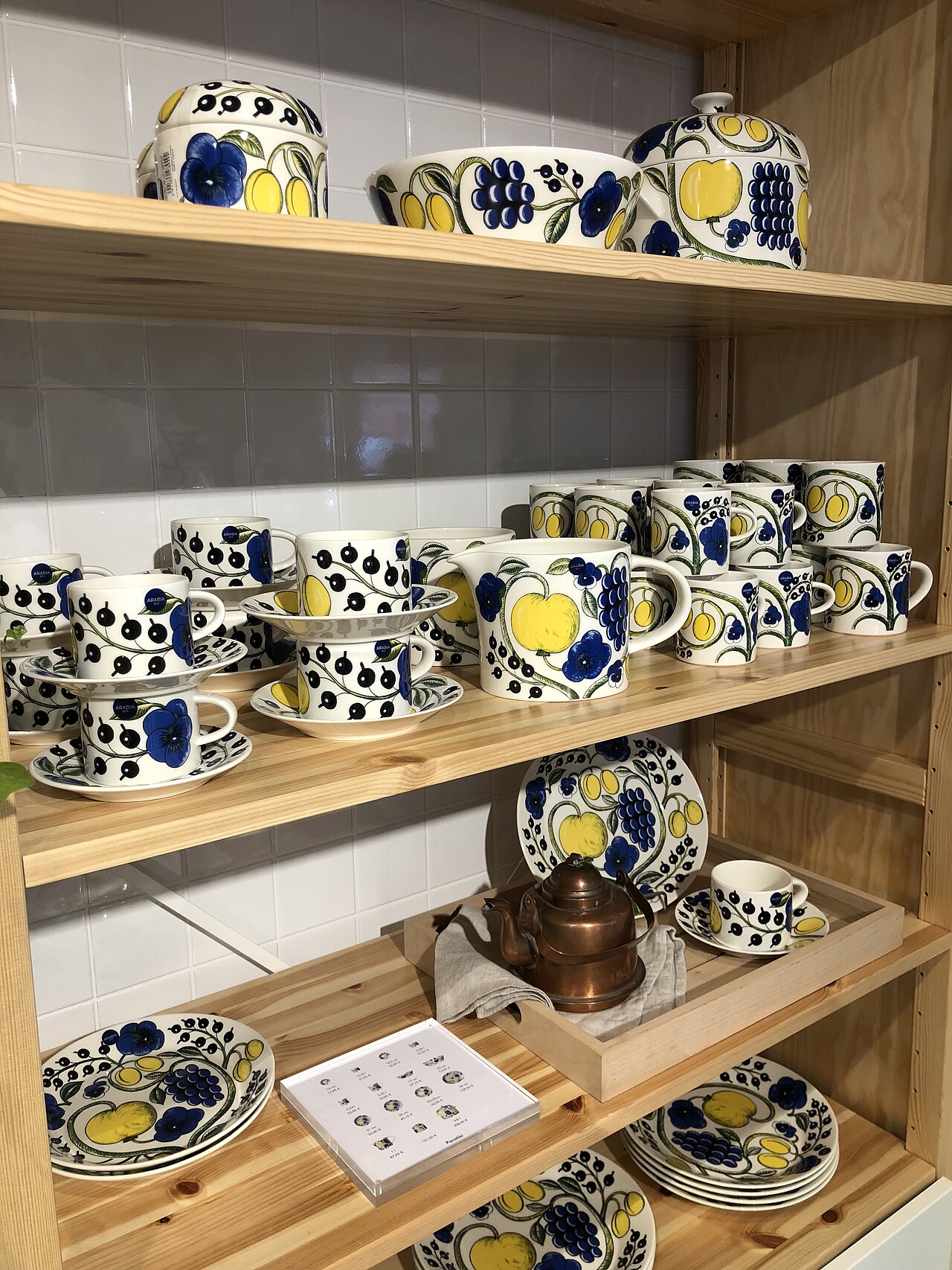
Huotari lives and works in Helsinki, where she is a member of the Arabia Art Department Society — the studio collective attached to Finland's most storied ceramics works, which is roughly the pedigree the material suggests.
Until 2025 she was creative director of the Helsinki design and rug company Finarte. Her collection Väre was made in collaboration with the Finnish National Museum. She was shortlisted for the Loewe Craft Prize in 2022 and shown at the Seoul Museum of Craft Arts; she holds the 2024 Taito-Finlandia Prize and an NYCxDesign Award. Her work is in the collections of the Espoo Museum of Modern Art, the Finnish State Art Collection, and Palazzo Fendi.
If you go
Marianne Huotari: Voyage
HB381, 381 Broadway, New York, NY 10013
9 September – 31 October 2026
Gallery hours and enquiries are through HB381 directly.
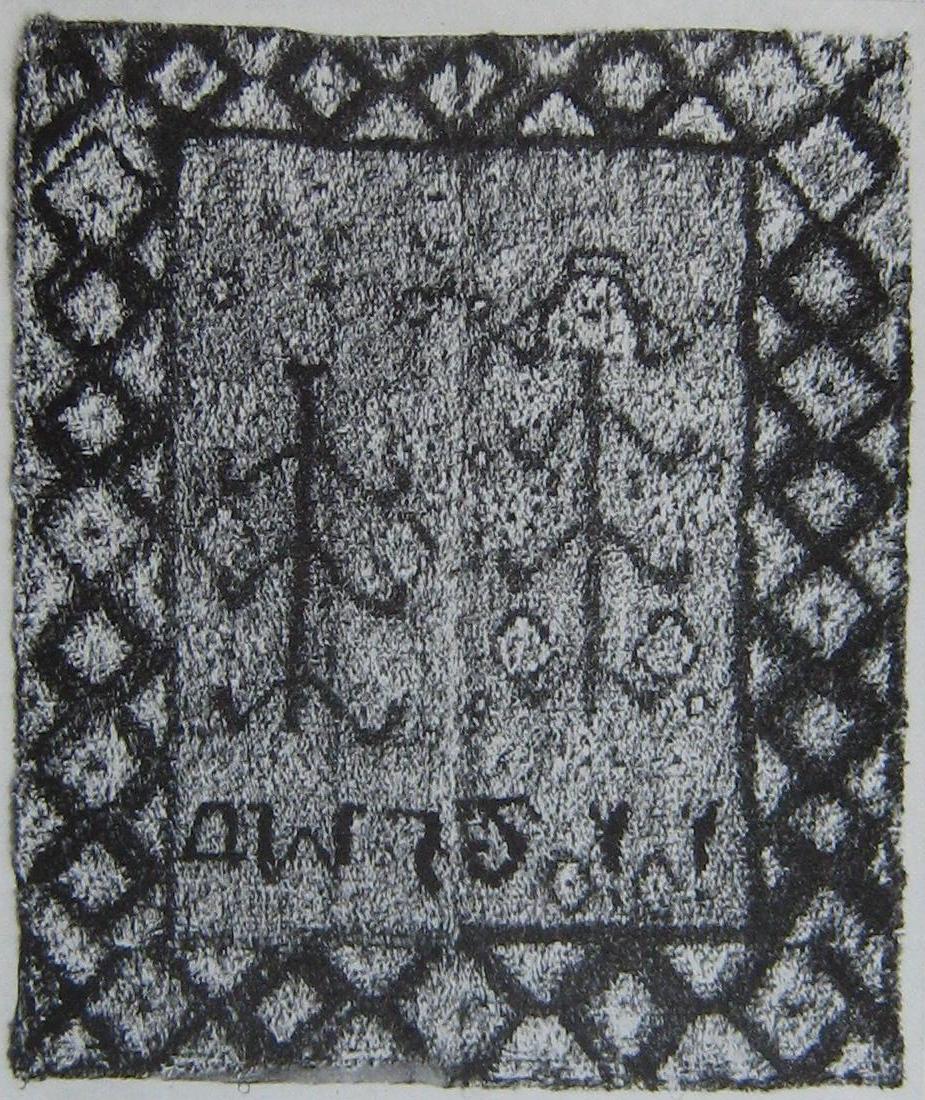
This piece was written from the gallery's announcement of the exhibition; the descriptions of technique and the quotation from Elizabeth Essner's catalogue essay are drawn from that material. We have not seen the exhibition. The photographs here are from Wikimedia Commons and show the historical textile and ceramic traditions the work draws on — they are not works in the show. Cover image: SeppVei / Wikimedia Commons, public domain.


)%20(1).avif)