Iceland Said No. Here Is What Actually Changes — and What Does Not
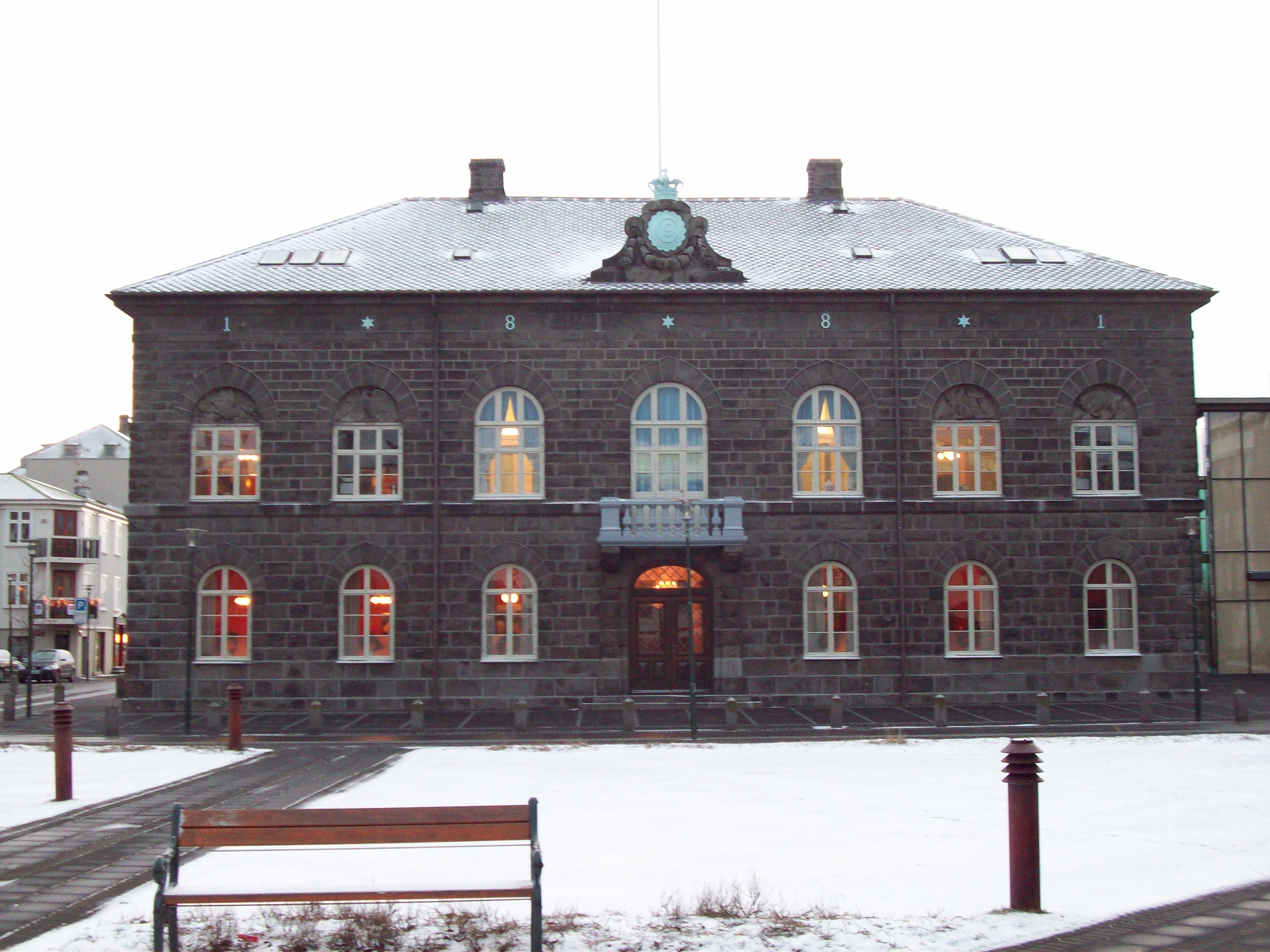
On Saturday 29 August, Icelanders were asked a single question: Á Ísland að hefja á ný aðildarviðræður við Evrópusambandið? — should Iceland begin accession negotiations with the European Union again?
They said no, narrowly: 118,040 votes against to 105,339 for, or 52.8 per cent to 47.2. Turnout was 82.5 per cent, which is a figure most democracies would consider implausible for a referendum on procedural diplomacy.
The result has been reported abroad, where it has been reported at all, as Iceland rejecting the EU. That is roughly right and slightly wrong, and the difference matters — particularly for readers in the United States and Canada who follow the North and are trying to work out what actually just happened.
What the question was, and what it was not
The ballot did not ask whether Iceland should join the European Union. It asked whether Iceland should resume negotiations about joining. Had the answer been yes, the outcome of those talks would itself have gone to a second referendum before anything was signed.
So this was a vote about whether to reopen a file, not about whether to sign a treaty. Both campaigns understood that, and both largely ignored it, because everybody involved knew that reopening the file was the only decision with any real momentum behind it.
The file in question has been closed for eleven years. Iceland applied for membership in July 2009, in the immediate aftermath of a banking collapse that had destroyed the króna's credibility. The European Commission gave a favourable opinion in February 2010, the Council authorised talks that June, and by 2013 twenty-seven negotiating chapters had been opened and eleven provisionally closed. A new Icelandic government suspended the talks in June 2013. In March 2015 Reykjavík wrote to the Council asking that Iceland no longer be regarded as a candidate country, and the Council acknowledged it.
Iceland has not been an EU candidate since. The application was never formally withdrawn, but it has not been alive either.
What changes tomorrow
Nothing.
This is the part most worth stating plainly, because a referendum with an 82 per cent turnout creates an expectation of consequence. Iceland remains in the European Economic Area, in Schengen, and in EFTA. Icelanders keep free movement into the EU and the right to live and work there. EU citizens keep the same rights in Iceland. Goods, services and capital move as they did last week. Icelandic passports do nothing different at a border.
Iceland also remains in NATO, which it joined in 1949 and where it is the only member with no standing army, and the Keflavík facility remains what it has been.
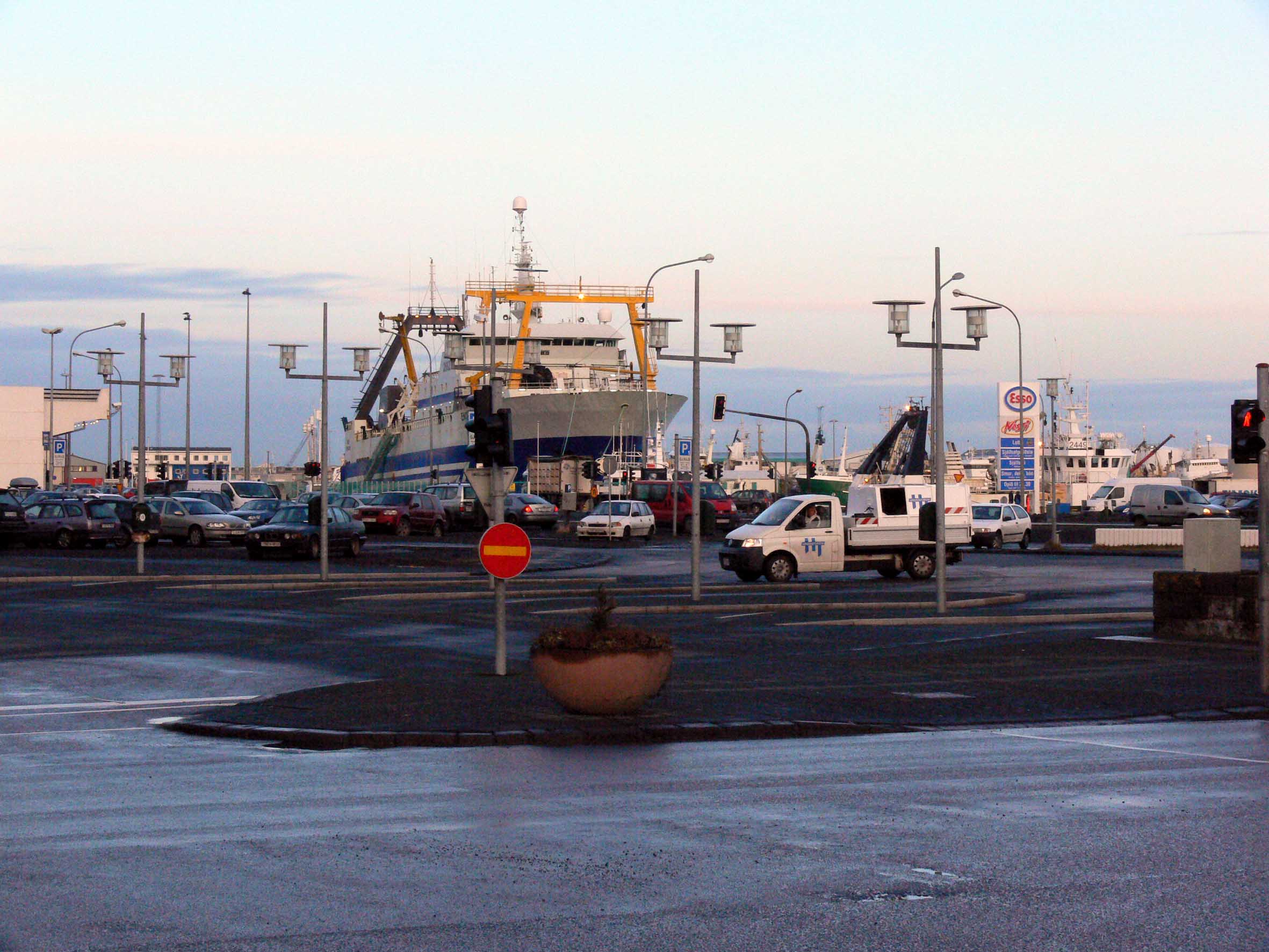
The one procedural change on the horizon is small and symbolic. The government has indicated that the question of formally withdrawing the dormant 2009 application will go to the Alþingi rather than being settled by ministers. That is a housekeeping matter with a flag on it.
What stays the same, and why that is the actual story
Here is the arrangement Iceland has just voted to keep.
Through the EEA, Iceland adopts a very large body of EU legislation — Yes campaigners put the working figure at around nine thousand legal acts — in order to participate in the single market. It has no vote on any of it. It has consultation rights, technical input, and the ability to argue at the drafting stage, but when the European Parliament and the Council decide, Iceland implements.
The Yes campaign's central argument was that this is sovereignty on paper and dependency in practice: that a country already bound by the rules would be better off helping write them. The No campaign's answer was that market access without political commitment is precisely the good deal, and that trading it for a seat at a very large table would be a poor exchange.
Reasonable people can hold either view. Icelanders, narrowly, held the second.
Iceland also keeps the króna. At the time of the vote the Central Bank of Iceland's policy rate stood at 8.00 per cent against the European Central Bank's 2.25 per cent, and the Yes campaign leaned on that gap hard — mortgages, borrowing costs, imported inflation, the ordinary economics of a very small currency in a very open economy. The counter-argument was that monetary independence is what let Iceland devalue its way out of 2008 rather than deflate its way out, which is what several euro-zone members had to do instead.
Fish
Every account of this referendum has to arrive at fisheries, because that is where the vote was actually decided.
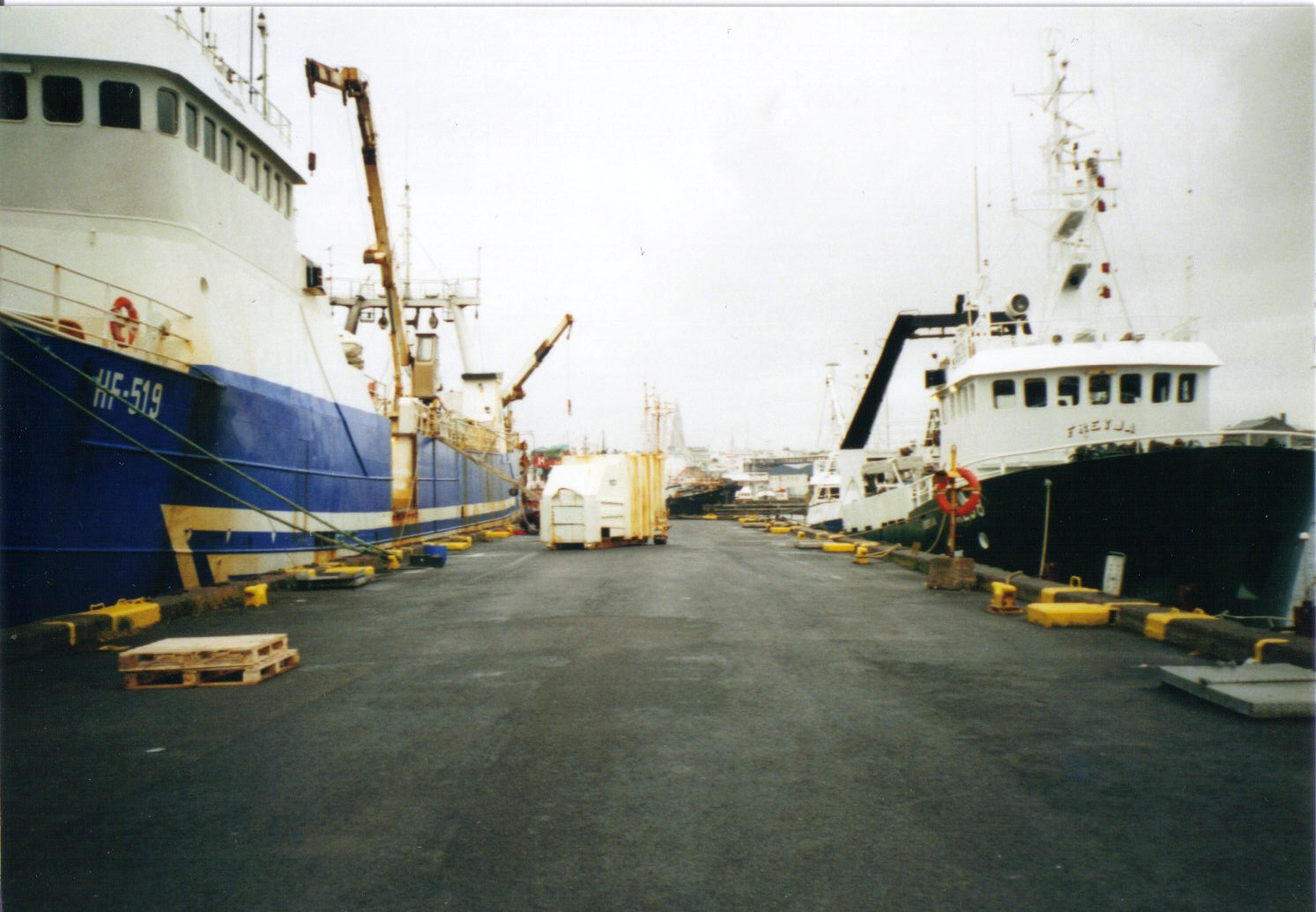
EU membership would mean participating in the Common Fisheries Policy. Iceland's fishing sector — by one figure circulated during the campaign, some ninety per cent of Icelandic companies connected to fishing — opposed membership on that basis. The industry's position is that the current system of individually transferable quotas, set in Reykjavík on Icelandic scientific advice, has produced stocks in better condition than most EU waters, and that handing quota-setting to Brussels would put that at risk.
The government's rebuttal was technically strong and politically weak. Foreign Minister Þorgerður Katrín Gunnarsdóttir argued that CFP quotas are allocated substantially on historical fishing patterns, that no EU member state has fished Icelandic waters in the relevant period, and that Iceland would therefore retain effective control in practice as well as leverage in any negotiation. The No side's reply was that relying on the mechanics of relative stability, rather than on a written exemption, is a large bet — and that formal carve-outs from the CFP would be highly unusual and would set awkward precedents for the EU itself.
The technical argument was probably the better one. It lost anyway, which is what usually happens when a technical argument runs against an industry's own reading of its future.
The map of the result
The vote split along a line that will look familiar to anyone who has watched a referendum anywhere in the last decade.
Reykjavík North voted 57.5 per cent Yes and Reykjavík South 54.5 per cent Yes. Every constituency outside the capital region voted No, and the margins widened with distance: 53.0 per cent in the Southwest, 60.5 in the South, 61.2 in the Northeast, 62.9 in the Northwest.
The standard reading is that fisheries and agriculture dominate the rural economy and that rural voters were defending it. That is true as far as it goes. It is also the case that the EEA arrangement delivers its most visible benefits — mobility, services, professional recognition, the ability to move to Copenhagen for a degree — to exactly the urban, younger, more internationally mobile population that voted Yes, and that the costs of the fisheries question fall almost entirely on the places that voted No.
The security argument that did not land
Prime Minister Kristrún Frostadóttir's coalition — the Social Democratic Alliance and Viðreisn, with the People's Party opposing membership from inside the government — put the referendum on the calendar under a coalition commitment to hold it by 2027, and the Alþingi approved the date on 28 May.
Part of the case for asking now was that the international climate had become volatile enough to make the question urgent. The subtext, made fairly explicit in the international coverage, was the Arctic: American statements about Greenland, uncertainty about the durability of US security guarantees in the North Atlantic, and Russian activity in the waters around Iceland. Brussels, for its part, would have welcomed Iceland for the same geographic reasons.
That argument did not move enough voters. It is worth noticing why. Iceland's security relationship with the United States is bilateral and via NATO, not via the EU, and the EU is not a defence alliance. A voter could reasonably conclude that membership would not have changed who defends Icelandic airspace — and many did.
What happens now
Frostadóttir has said the government will respect the result, and that the question will not be reopened for the remainder of this parliamentary term, which runs to 2028. She also made a point of the 47 per cent: nearly half the electorate wanted the talks, and she signalled that the government intends to keep that constituency in view rather than declare it settled.
Guðrún Hafsteinsdóttir of the Independence Party, who led the No campaign, framed the result as a rejection of the idea that Iceland's difficulties are the kind that Brussels solves.
Foreign Minister Gunnarsdóttir, on the losing side, noted the turnout with something close to satisfaction — 82.5 per cent of a country turning out to argue about foreign policy is not a bad outcome for a democracy, whichever way it goes.
Why this matters outside Iceland
For readers in North America with Nordic and Baltic connections, the result is a useful corrective to a habit of treating the North as a bloc.
It is not one. Denmark, Sweden and Finland are in the EU; Finland is in the euro, the other two are not. Estonia, Latvia and Lithuania are in both. Norway and Iceland are in neither, and reach the single market through the EEA. Greenland left the European Communities in 1985 and the Faroes never joined. There is no Nordic position on Europe and there never has been.
What Iceland has just done is reaffirm the specific, slightly uncomfortable arrangement it has held since 1994: full participation in the European market, no participation in European decisions, and a national conversation that reopens roughly once a generation, usually after something has gone badly wrong.
The last time it reopened, a banking system had collapsed. This time nothing had collapsed, the question was asked deliberately rather than in a crisis, and 82.5 per cent of the country showed up to answer it.
That is not a small thing, whichever way you would have voted.
Sources
Landskjörstjórn (National Electoral Commission of Iceland), official referendum results, 29 August 2026.
European Commission, Enlargement and Eastern Neighbourhood: Iceland — negotiations status.
Al Jazeera, “Iceland votes to reject EU accession talks: What happens next?”, 30 August 2026.
Euronews and ABC News reporting on the result and reaction, 30 August 2026.
