Latvians in the US and Canada: How to Vote on 3 October — and the Deadline That Closes First
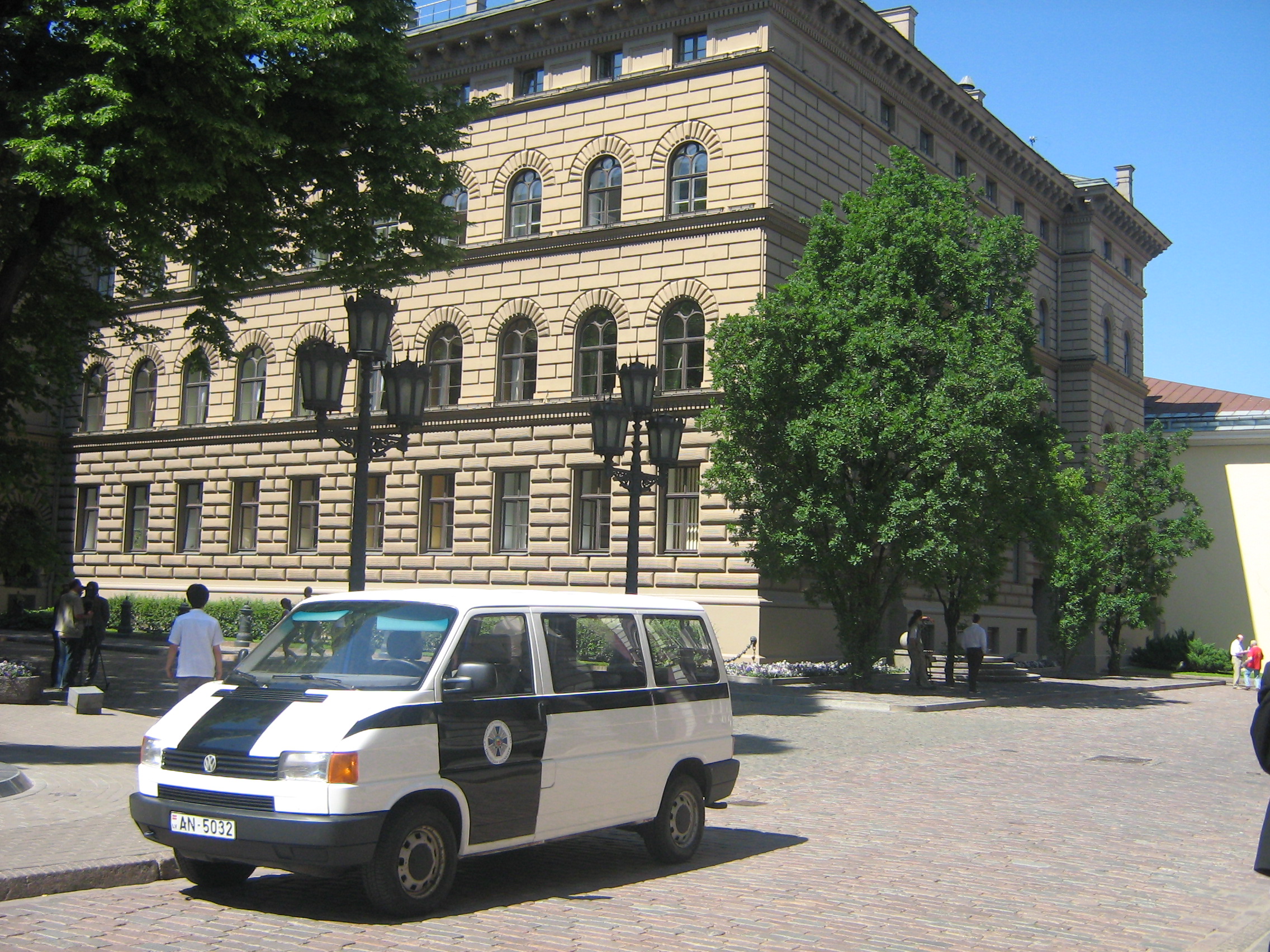
Latvia goes to the polls on Saturday 3 October to elect the 15th Saeima. Latvian citizens living in the United States and Canada are entitled to vote, and there are two ways to do it.
One of them has a deadline that falls three weeks before the election, and once it passes there is no appeal, no extension and no exception. It is 25 September.
This piece is the practical version. If you are a Latvian citizen in North America, or you know one, the useful part is the next four hundred words.
The short version
If you can get to a polling station on 3 October: you do not need to register for anything. Turn up with a valid Latvian passport or eID card. There are sixteen polling stations in the United States and six in Canada, listed below.
If you cannot get to one: you must register for postal voting on the Latvian state portal Latvija.gov.lv, using the e-service for voter data management, and you must do it between now and 25 September. Registration opened on 29 August.
That is the whole decision. Everything after this is detail.
Who can vote
Latvian citizens aged 18 or over on election day, holding a valid Latvian passport or eID card. You can vote from abroad regardless of where you are registered as living, or whether you are registered in Latvia at all.
Latvia's “non-citizens” — the residual Soviet-era status — cannot vote in Saeima elections without naturalising. That is unchanged.
Your identity document has to be valid. This is the single most common reason people abroad are turned away, and it is the one thing you can check tonight.
How postal voting actually works
Latvia's postal system for voters abroad is unusual and worth understanding before you start, because it is not the American model of requesting a ballot in the mail.
You register through Latvija.gov.lv. During registration you choose which overseas polling station your ballot will be sent to — you are, in effect, attaching yourself to a specific station.
Once registered, you receive your materials electronically: the candidate list ballot papers, a personal voting certification form, the address of your chosen station, and instructions. You print the ballot for the list you want.
You may leave the list unmarked, or mark individual candidates with a “+” for or strike through those you are against — Latvia lets voters reorder candidates within a party list, which is one of the more genuinely useful features of its system and one most voters never use.
The marked ballot goes into a plain envelope. That envelope, plus your signed certification, goes into the postal envelope. You mail it to your chosen station.
It must arrive by election day, 3 October. The Central Election Commission's advice is to send it as early as you can, and from North America that advice should be read as an instruction. International mail to a volunteer-run polling station in a church hall is not a service with a guarantee. If you register on the 25th and post on the 26th, you are cutting it very fine.
You can also hand your completed envelope in at an overseas polling station in person, which removes the postal risk entirely.
.jpeg)
Where to vote in person
Polling stations abroad open on election day, 3 October. There are eighty-two overseas stations in total, around forty of them at Latvian diplomatic missions and the rest at community centres, churches and Latvian houses.
United States (16): Washington DC (2306 Massachusetts Ave NW) · New York (331/333 East 50th Street) · Boston — Latvian Lutheran Church Hall, Brookline (58 Irving St) · Philadelphia (531 N. 7th Street) · Chicago — Latvian centre “Ligzda” (6551 W Montrose Ave) · Minneapolis — Lutheran church (3152 17th Ave S) · Kalamazoo, Michigan — Latvian association (100 Cherry Hill St) · Indianapolis — Latvian community centre (1008 W 64th St) · Atlanta (3541 Preserve Dr SE) · Houston (2120 Troon Rd) · Denver — Colorado Latvian cultural centre, Lakewood (10705 W Virginia Ave) · Mesa, Arizona (8943 E. Palm Ln) · Los Angeles — Latvian house (1955 Riverside Dr) · San Diego (964 Fifth Ave) · San Francisco — Lutheran church (425 Hoffman Ave) · Seattle — Latvian centre (11710 3rd Ave NE).
Canada (6): Ottawa — Embassy of Latvia (350 Sparks Street, Suite 1200) · Toronto — Latvian centre (4 Credit Union Drive) · Hamilton — Latvian association house (16 Queen Street North) · Montreal — Latvian community centre, Lachine (3955 rue Provost) · Edmonton (14405 85 Ave NW) · Vancouver (6520 Oak Street).
Confirm opening hours before you travel. Hours vary by station and are set locally; the authoritative list is published by the Central Election Commission at iecirkni.cvk.lv. Do not drive two hours on the strength of a magazine article, including this one.
What you are actually voting for
Latvia elects 100 members by proportional representation across five constituencies: Rīga (38 seats this cycle), Vidzeme (26), Zemgale (13), Latgale (12) and Kurzeme (11). Seats are apportioned by registered voters, and Rīga's share has grown as the population has shifted.
Every vote cast abroad is counted in the Rīga constituency. That has a practical consequence people abroad often miss: you vote on the Rīga ballot, for candidates standing in Rīga, whatever your family's home region.
A party needs at least 5 per cent of the national vote to take any seats at all. The first sitting of the new Saeima is scheduled for 3 November.
The calendar
29 August — postal voting registration opened.
14 September — final publication of party programmes and candidate lists.
25 September — postal voting registration closes.
28 September to 2 October — early voting at any polling station in Latvia.
2 October — campaigning ends.
3 October — election day; polls in Latvia open 08:00 to 20:00.
4 October — preliminary results.
3 November — the new Saeima first sits.

One editorial note
Turnout among Latvian citizens abroad is consistently, substantially lower than turnout inside Latvia. Some of that is structural: distance, mail, working Saturdays, documents that lapsed. A good deal of it is simply that nobody told anyone in time, in a language they read every day.
The diaspora vote is not decorative. It is counted in the constituency that returns more than a third of the parliament, and in a system with a 5 per cent threshold, a few thousand ballots have decided whether a party sits or does not.
If you have Latvian citizenship and a valid document, you have a vote in a national election three weeks from now. The only thing that expires before the election does is your ability to vote by post.
Official sources
Centrālā vēlēšanu komisija (Central Election Commission of Latvia) — cvk.lv, and the overseas polling station list at iecirkni.cvk.lv.
Latvija.gov.lv — the state portal where postal voting registration is completed.
Ministry of Foreign Affairs of the Republic of Latvia — arrangements for the 2026 Saeima elections abroad.
LSM / Latvian Public Media English service, reporting on the 2026 election timeline and postal voting, August–September 2026.
