A Biennale Asking “How Much Does It Cost?” Is Being Held Inside Estonia's Most Expensive Unanswered Question
Architecture biennales are usually staged in the best room available. The Tallinn Architecture Biennale has done the opposite, and in doing so has made the strongest curatorial decision of its year before a single exhibit went up.
TAB 2026 opened on 9 September and runs to 30 November. Its theme is “Palju maksab?” — how much does it cost? The organisers frame it as an inquiry into the real price of the built environment and who ultimately pays for it: the relationship between constraints, resources and what actually gets made, and how you produce good space inside a budget that will not move.
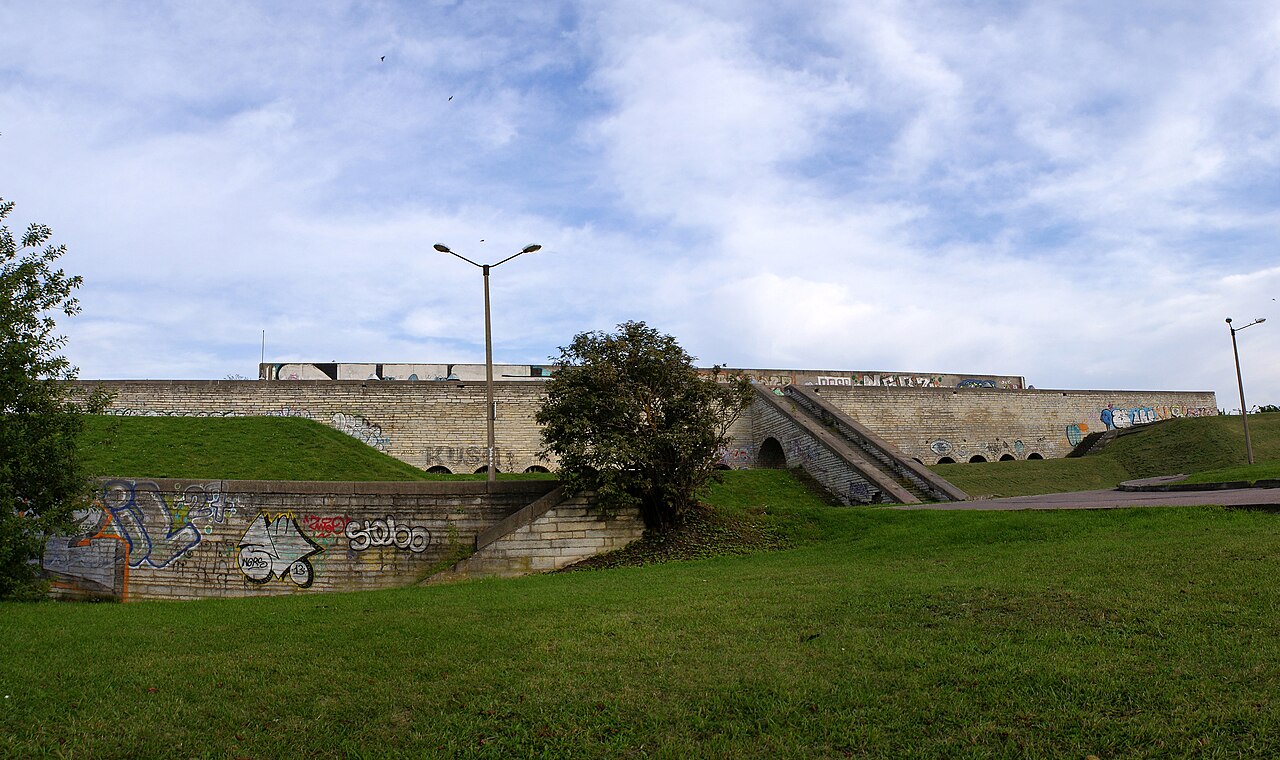
The main curated exhibition is installed in Linnahall.
The building that is the question
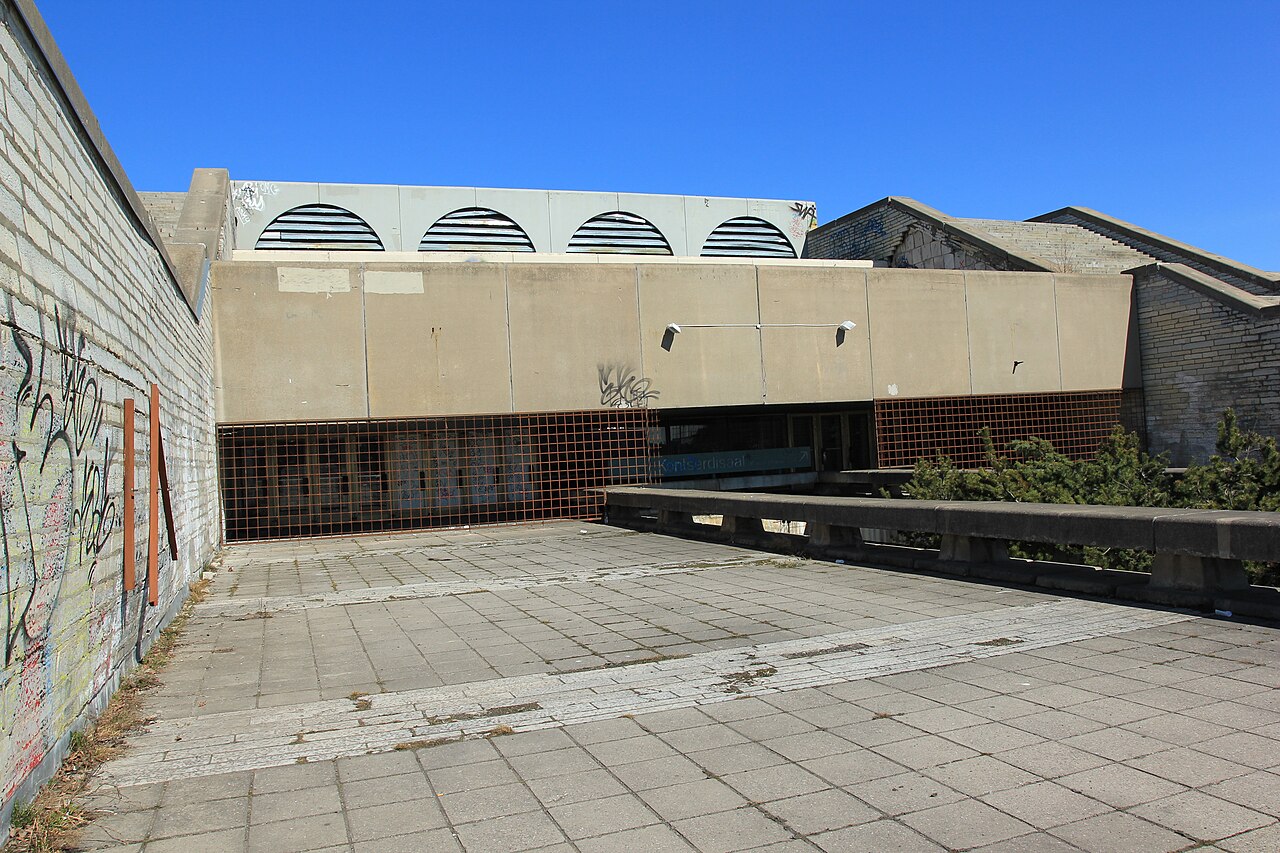
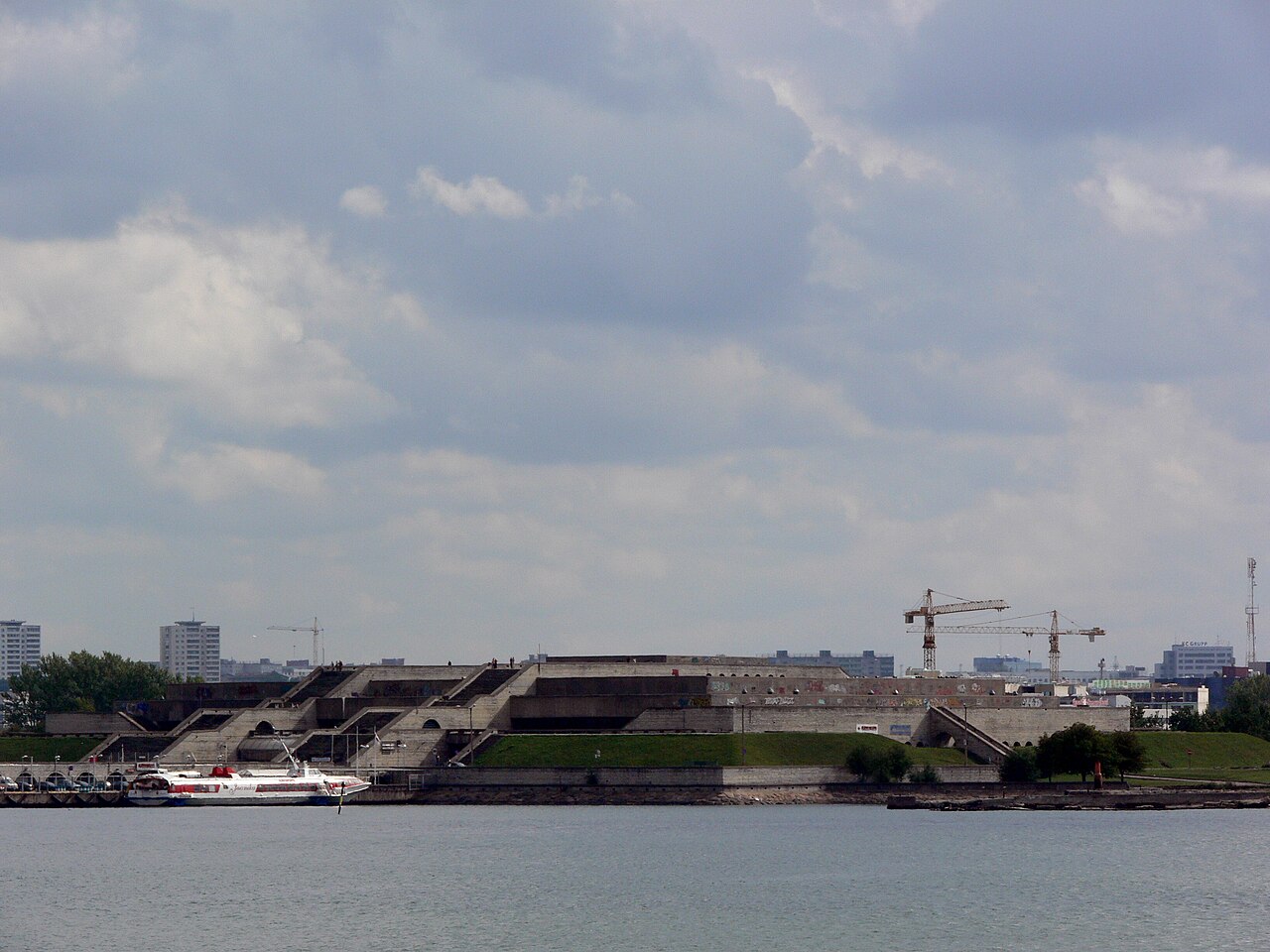
For readers who have not stood on it: Linnahall is the vast limestone-clad hall built on the Tallinn waterfront for the sailing events of the 1980 Moscow Olympics. It is a landscape as much as a building — broad stepped terraces running out toward the sea, a concert hall and an ice rink buried underneath.
It has been substantially closed since 2010. Every few years a restoration plan appears, is costed, and stalls. It is simultaneously a protected heritage monument, a beloved public roof that Tallinners still climb to watch the sunset, a Soviet artefact with complicated politics, and a number nobody has been willing to sign.
So a biennale about the cost of building, staged inside the building Estonia cannot agree on the cost of, is not a neutral choice of venue. It is the exhibition's thesis in architectural form. Visitors reach the main show by walking across the exact surface that the question applies to.
Who is running it
The head curatorial team is Stuudio TÄNA — Siim Tanel Tõnisson, Kertu Johanna Jõeste and Ra Martin Puhkan — working with Mark Aleksander Fischer and Mira Samonigg of Austria.
The installation programme was won by “Resonance,” by Aru Ma-Architects, unveiled on 10 September.
The opening week carried two conferences on consecutive days: the EKA architecture conference “Jätkub…” on 10 September, on adaptive reuse, and the TAB symposium “Kõlab kallilt” — roughly, “sounds expensive” — on 11 September, on the economic pressures bearing down on the profession. A museum programme and a Capital-A affordable architecture showcase ran alongside, and the gala, “Superpalju,” was held at the contemporary art museum on 11 September.
The opening week is over. The exhibition is not — there are two months left on it.
Why this matters outside Estonia
The instinct is to file this as a domestic arts listing. It is worth resisting.
The question TAB is asking — what does it actually cost to build well, and who is left holding the bill — is not an Estonian question. It is the question in every North American city where Nordic and Baltic communities have been trying to keep, adapt or replace a building: a national house that needs a roof, a hall that no longer meets code, a church with a congregation too small to heat it.
Readers of this publication have watched several versions of that arithmetic play out in the last few years, and the outcomes have gone both ways. Estonians in Toronto raised the money and built new. Finnish-Americans in Hancock lost a university and kept the heritage centre. The Danish-American colleges mostly did not survive the sum at all.
Adaptive reuse — the subject of TAB's first conference — is the technical name for the decision most of these communities are actually facing: whether the building you have can be made into the building you need, for a price anyone will pay.
If you are in Tallinn
Tallinn Architecture Biennale 2026 — Palju maksab?
Main exhibition at Linnahall
9 September – 30 November 2026
Reported opening hours for the main exhibition are Wednesday to Friday 16:00–19:00, Saturday 12:00–19:00 and Sunday 12:00–17:00 — confirm with TAB before travelling, as biennale venues change hours late in a run.
Details of the programme, curators and dates are drawn from the Estonian Centre for Architecture and Estonian press reporting on the opening. We have not visited the exhibition. The characterisation of Linnahall's condition and closure reflects the long-running public debate about the building rather than any statement by the biennale. Cover photograph: Rene Seeman / Wikimedia Commons, CC BY-SA 4.0.


)%20(1).avif)