Estonian Cultural Days Return to New York in 2026 With Music, Theatre, Film, and a Living Diaspora Tradition
.avif)
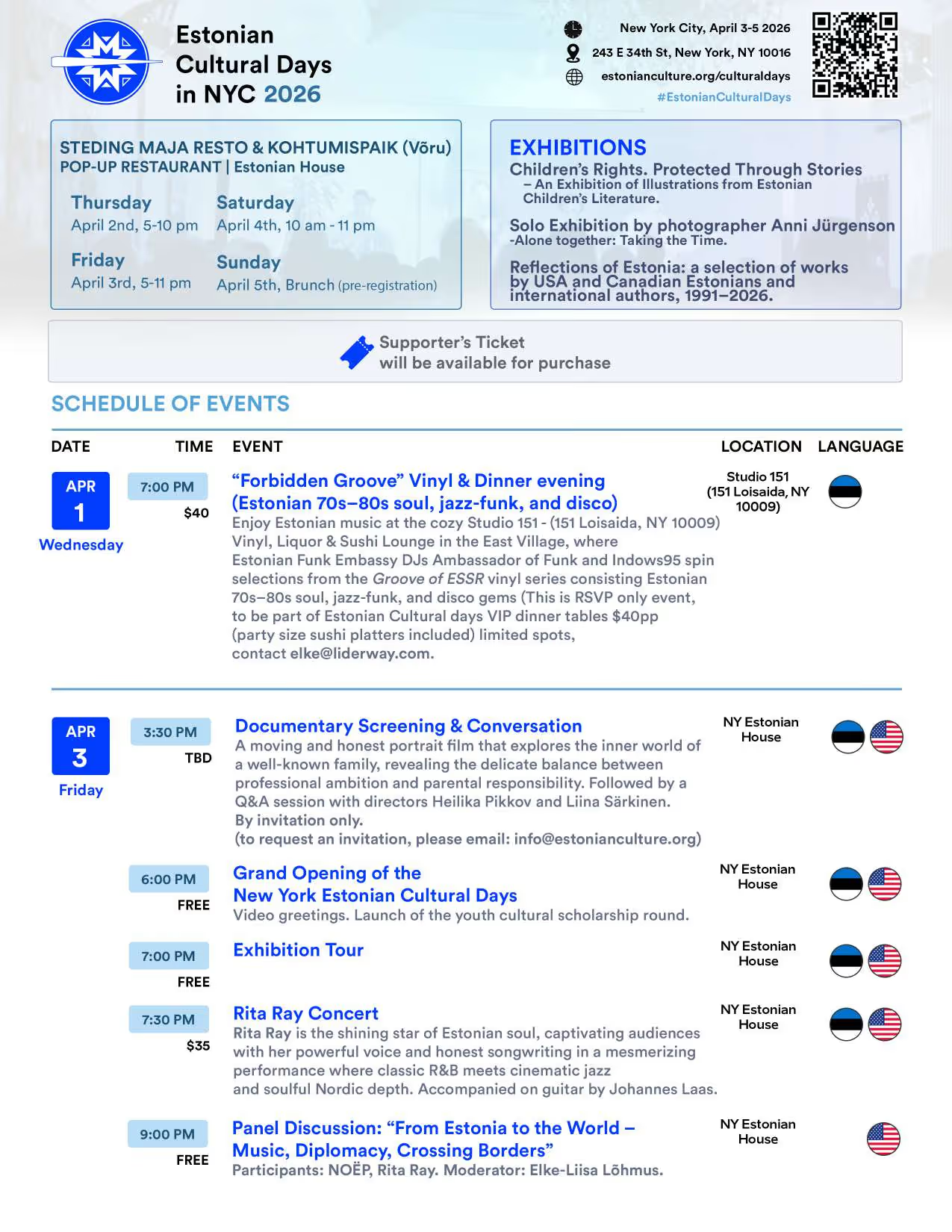
This spring, New York will once again make room for a distinctly Estonian kind of cultural intensity. Estonian Cultural Days in New York return April 3–5, 2026, centered at the New York Estonian House on East 34th Street, with an April 1 curtain-raiser extending the celebration beyond the main weekend. The program brings together concerts, theatre, film, conversations, exhibitions, food, and community events—less a single festival than a compact cultural season transplanted into the heart of Manhattan.
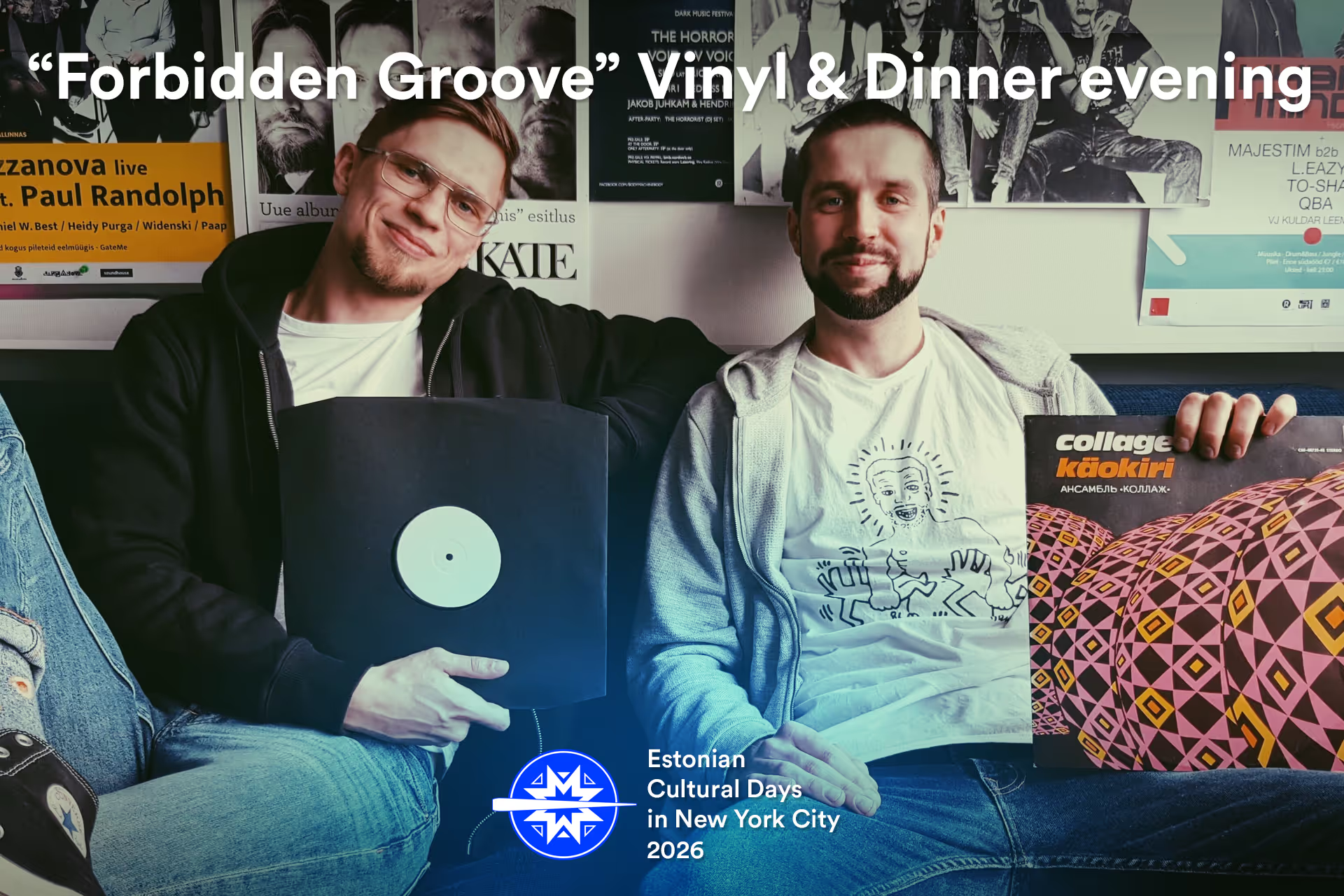
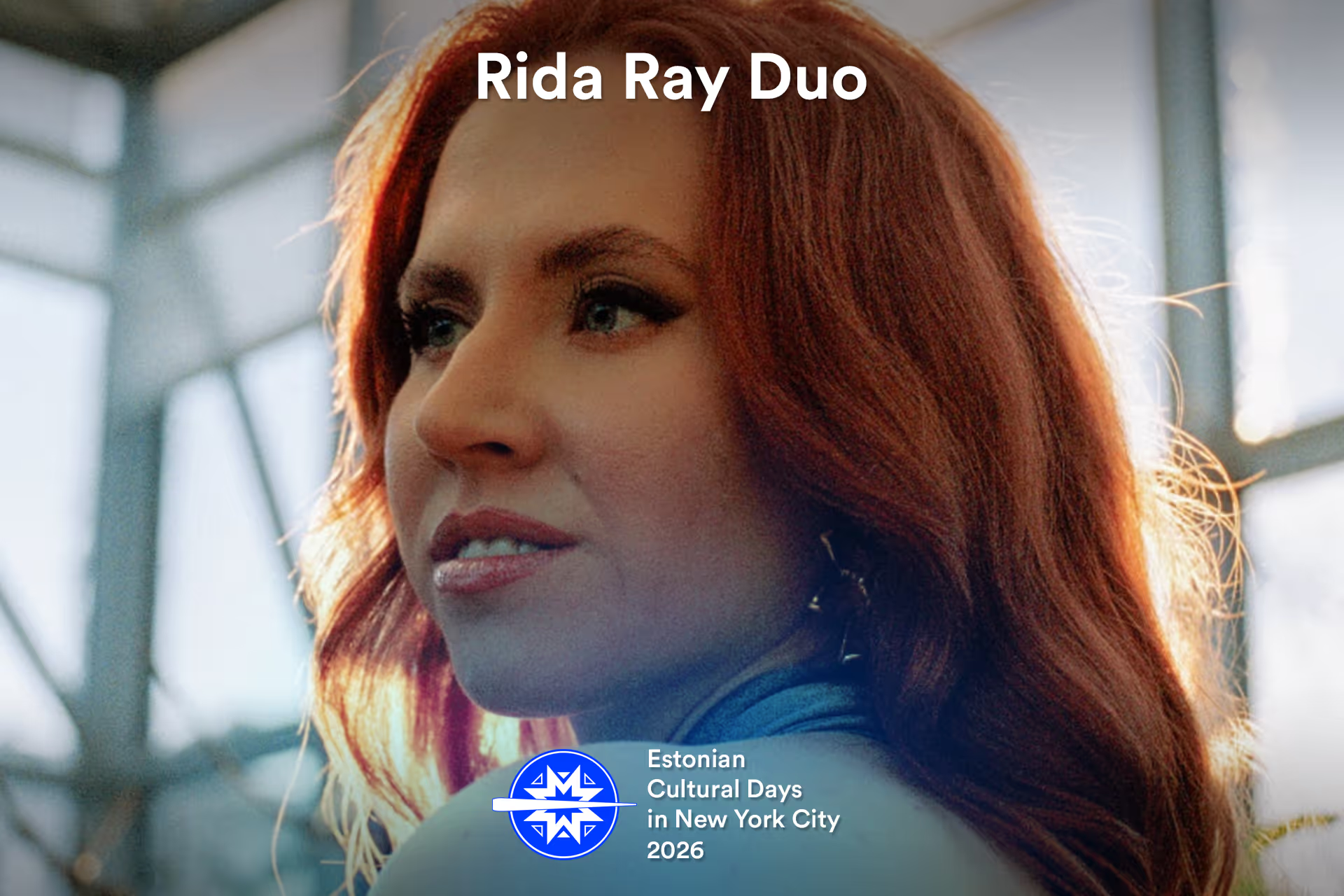
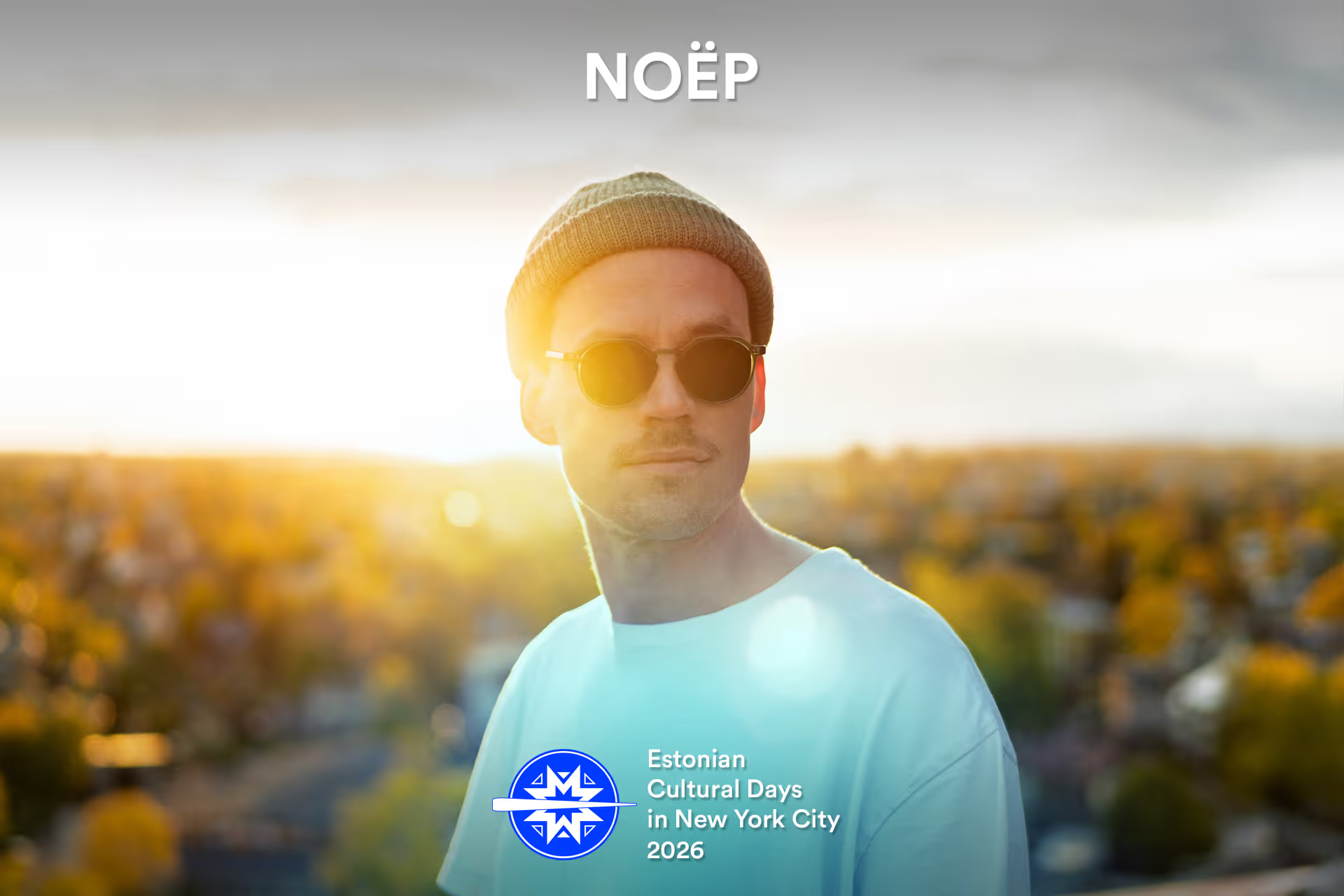
Music is at the center of this year’s lineup, and the range is notable. Rita Ray, one of Estonia’s standout soul and R&B voices, will appear in an intimate duo format with guitarist Johannes Laas on Friday evening. On Saturday night, NOËP brings his hybrid live/DJ set to the Estonian House, promising a more club-driven pulse to the weekend. Framing the musical program is “Forbidden Groove,” a vinyl-and-dinner evening on April 1 that explores Estonian 1970s–80s soul, jazz-funk, and disco—genres shaped not only by creative ambition, but by the constraints and contradictions of Soviet-era cultural life. The uploaded festival program also lists a Friday panel, “From Estonia to the World – Music, Diplomacy, Crossing Borders,” and a late Saturday concert by Kermo Murel, widening the event’s reach from performance into conversation and pop-cultural energy.

Just as important, however, is the way the festival continues to treat culture as memory, language, and shared narrative. Kuressaare Theatre will bring Tõll to New York, drawing on the mythic Estonian strongman and the broader human need to believe in figures larger than life. The weekend also includes a documentary screening and conversation with filmmakers, while Saturday’s conference, “130 Years of Estonian-American Journalism,” turns attention toward the long arc of Estonian-language publishing and community media in the United States. That combination—myth, lived experience, and public discourse—gives the program unusual depth for a diaspora festival.
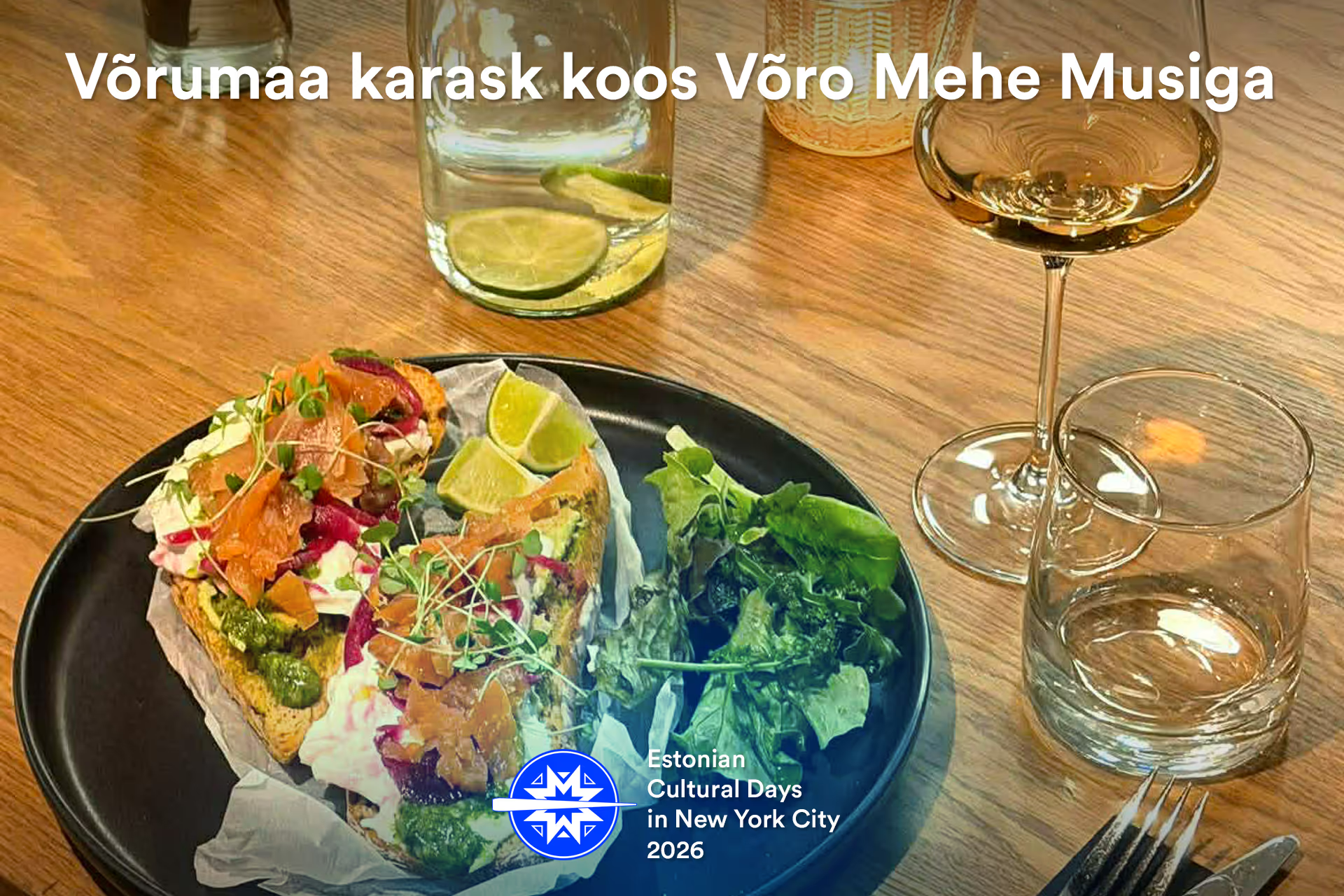
Food and drink are not treated here as side attractions, but as cultural language in their own right. Stedingu Maja, a Southern Estonian restaurant and meeting place from Võru, will run a pop-up restaurant in the Estonian House across the festival period, capped by a Sunday brunch spotlighting Seto and Old Võro flavors. There is also “Blind Date in a Glass,” a beverage-tasting event built around recipes by Estonian bartender Kristo Tomingas and presented by Kadri Kroon, along with a hands-on workshop devoted to Võrumaa karask, the beloved barley bread cake. According to the uploaded program, Sunday will also feature a talk on Estonia’s food regions, wine routes, manor trails, and lesser-known culinary destinations—an especially smart way of connecting diaspora audiences not just to “Estonian food,” but to regional Estonia.
The visual and literary side of the program adds another layer. The uploaded program lists an exhibition of illustrations from Estonian children’s literature under the banner “Children’s Rights: Protected Through Stories,” a solo exhibition by photographer Anni Jürgenson, and “Reflections of Estonia,” a selection of works by Estonian authors in the United States and Canada as well as international writers. Friday’s grand opening is also set to include the launch of a youth cultural scholarship round. Taken together, these elements suggest that the 2026 edition is designed not only to entertain, but to show how culture is carried forward: through books, photography, illustration, mentorship, and intergenerational participation.
That intergenerational dimension is central to understanding why Estonian Cultural Days still matter in New York. The festival has been part of Manhattan Estonian life for more than half a century. ERR wrote in 2024 that the New York Estonian House has hosted the annual Estonian Cultural Days for more than 50 years, while ERR’s 2019 coverage described that year’s festival as the 49th edition—placing the tradition’s roots in the early 1970s. The New York Estonian House itself reaches even further back: the Estonian Educational Society of New York was established in 1929, purchased the East 34th Street building in 1946, and became an especially important center after the arrival of Estonian refugees following World War II. In other words, the setting is not incidental. The building is part of the story.
The organizing Foundation for Estonian Arts and Letters describes itself as an American organization supporting and promoting Estonian arts and culture in the United States, with a mission that includes advancing literary, educational, and cultural knowledge and strengthening cooperation. That mission is visible throughout the 2026 program. This is not a nostalgia-only festival, nor is it a simple “national showcase.” It is a working example of how a small country sustains cultural presence abroad: by bringing contemporary performers, local institutions, historical reflection, and community life into one shared space. In a city crowded with cultural choices, Estonian Cultural Days still stands out because it offers something more intimate and more ambitious at once—a national culture experienced not abstractly, but in person, across a weekend of sound, taste, language, and conversation.
For readers planning to attend, general and supporter passes are already on sale through the Foundation for Estonian Arts and Letters, and the official site notes that ticket prices increase on March 27. But the larger point is this: Estonian Cultural Days remains one of those rare diaspora events that feels simultaneously local and transatlantic. For one weekend in April—and, with the prelude event, a little longer than that—Manhattan becomes a place where Estonia is not merely remembered, but actively made present.


)%20(1).avif)