We Asked AI to Imagine Estonia in 2050 and Beyond
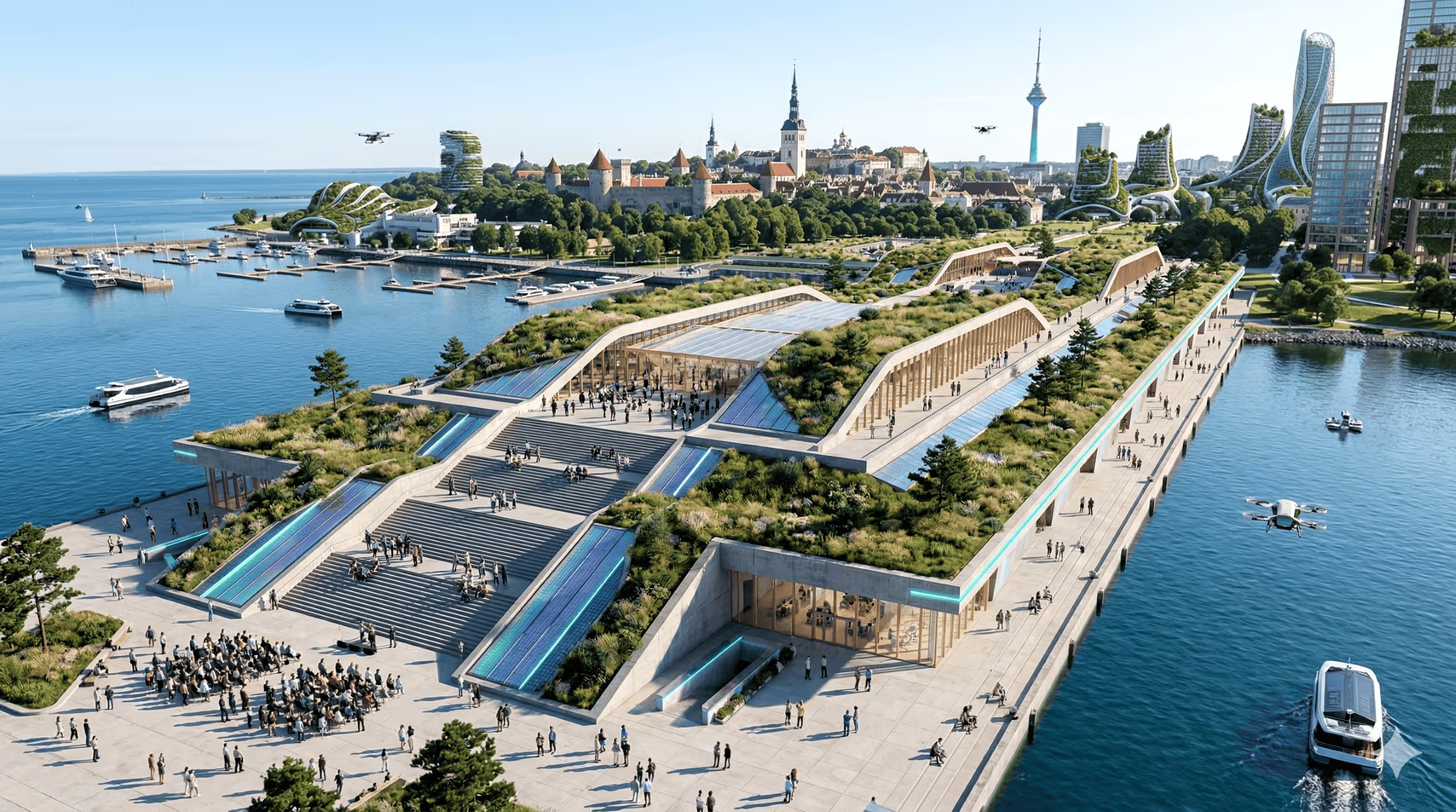
Estonia already describes itself as a digital society where almost every bureaucratic task can be done online; in February 2026 it launched the Eesti.ai initiative with the goal of doubling productivity by 2035, and its AI Leap programme is bringing AI tools into schools as a national project rather than a fringe experiment.
That is what makes Estonia so interesting in the age of AI. In most countries, “the AI future” is still a vague mood board: part fear, part marketing, part Silicon Valley fantasy. In Estonia, it is beginning to look more like public administration. The country’s current AI push is being organized through government-backed structures, advisory boards, and education policy, not just startup rhetoric. That gives Estonia something rare: a future tense with paperwork behind it.
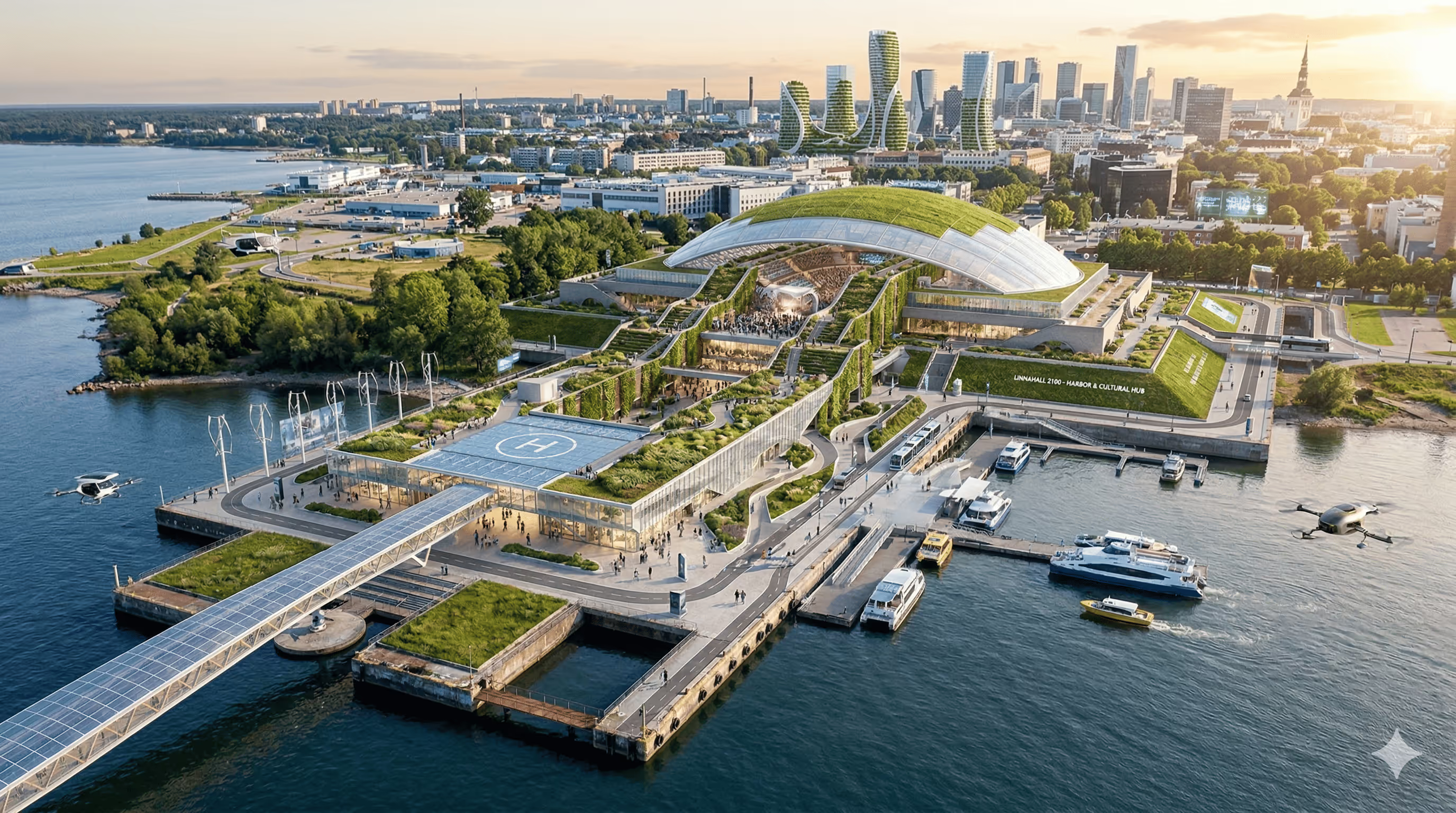
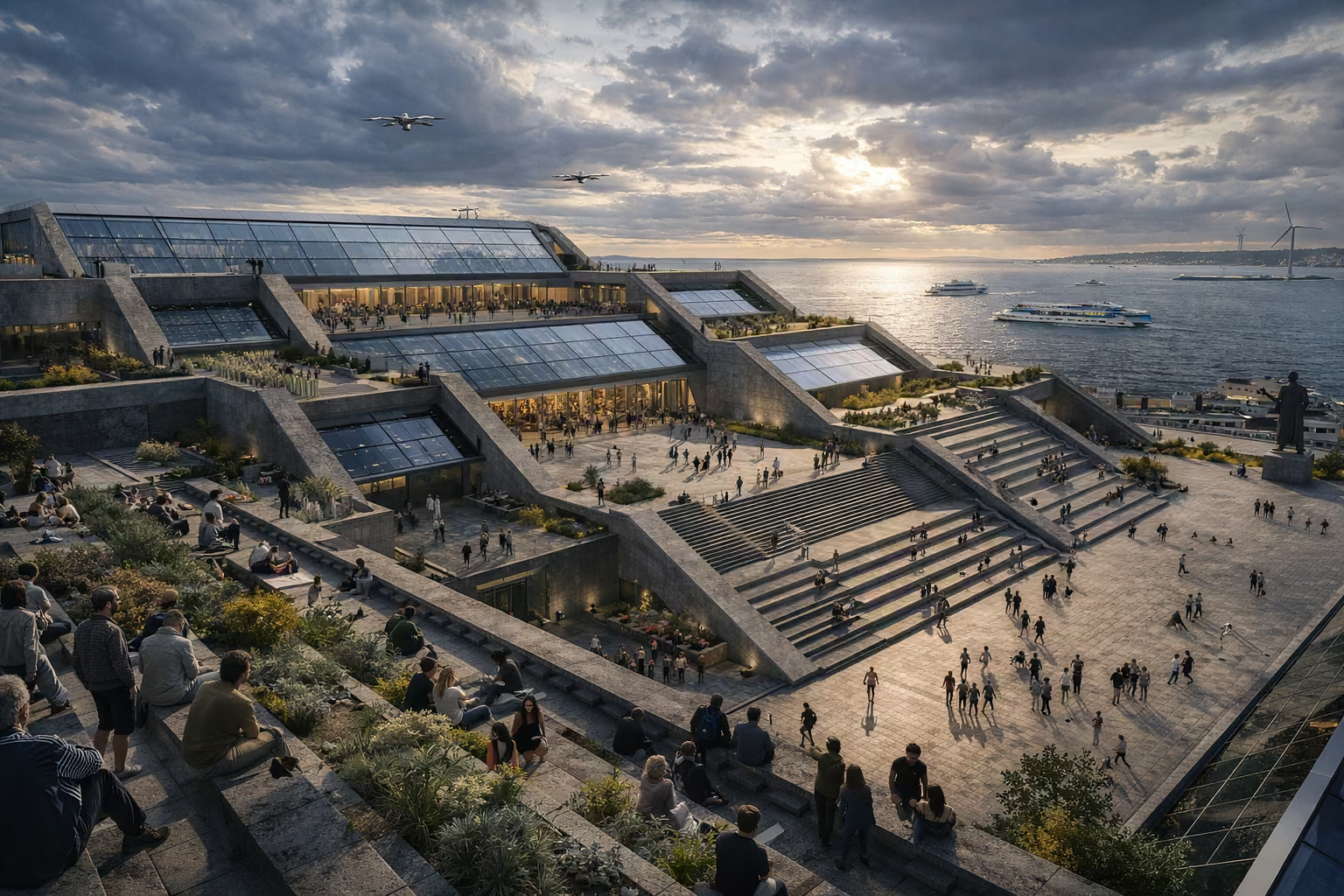
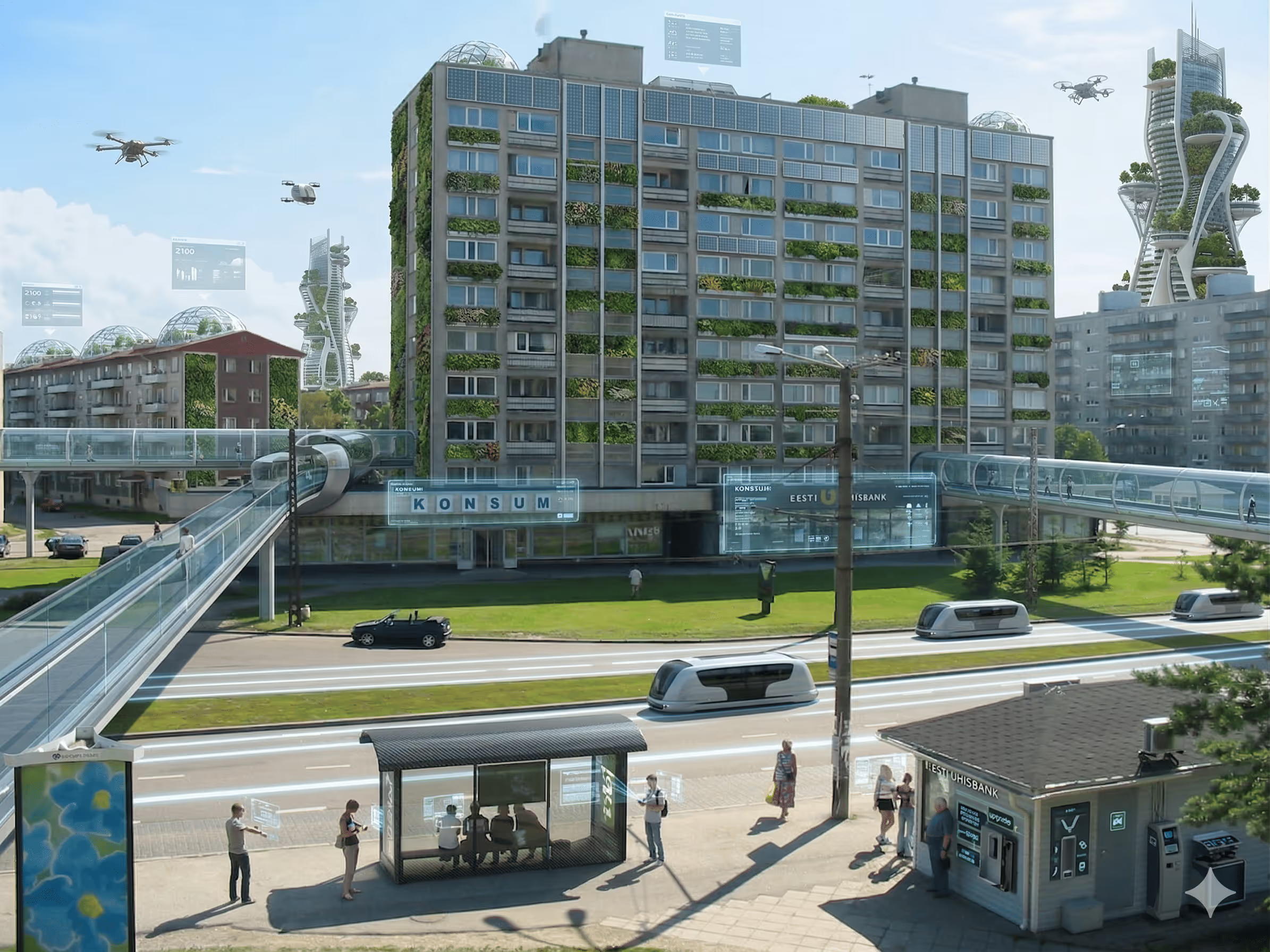
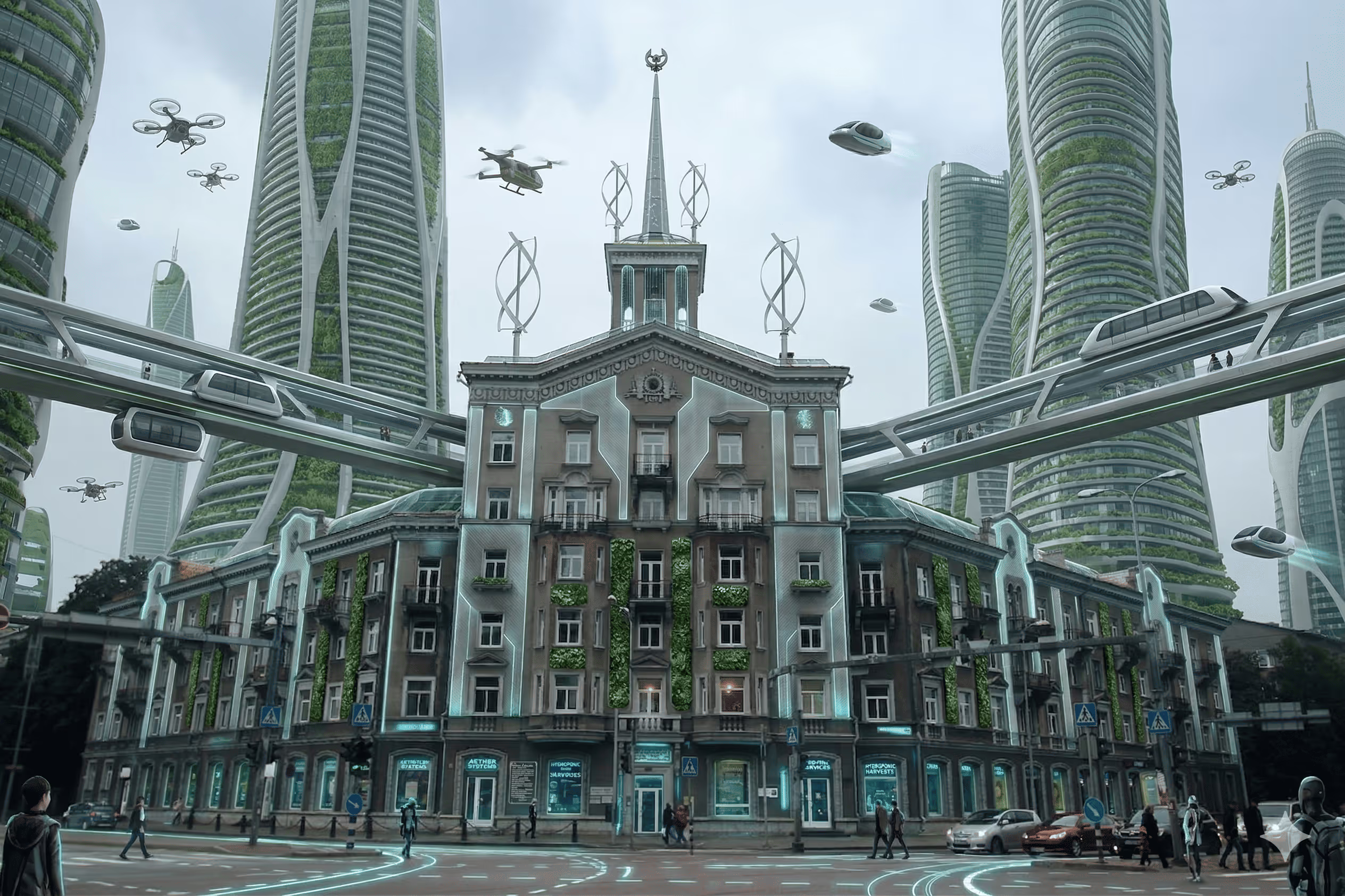
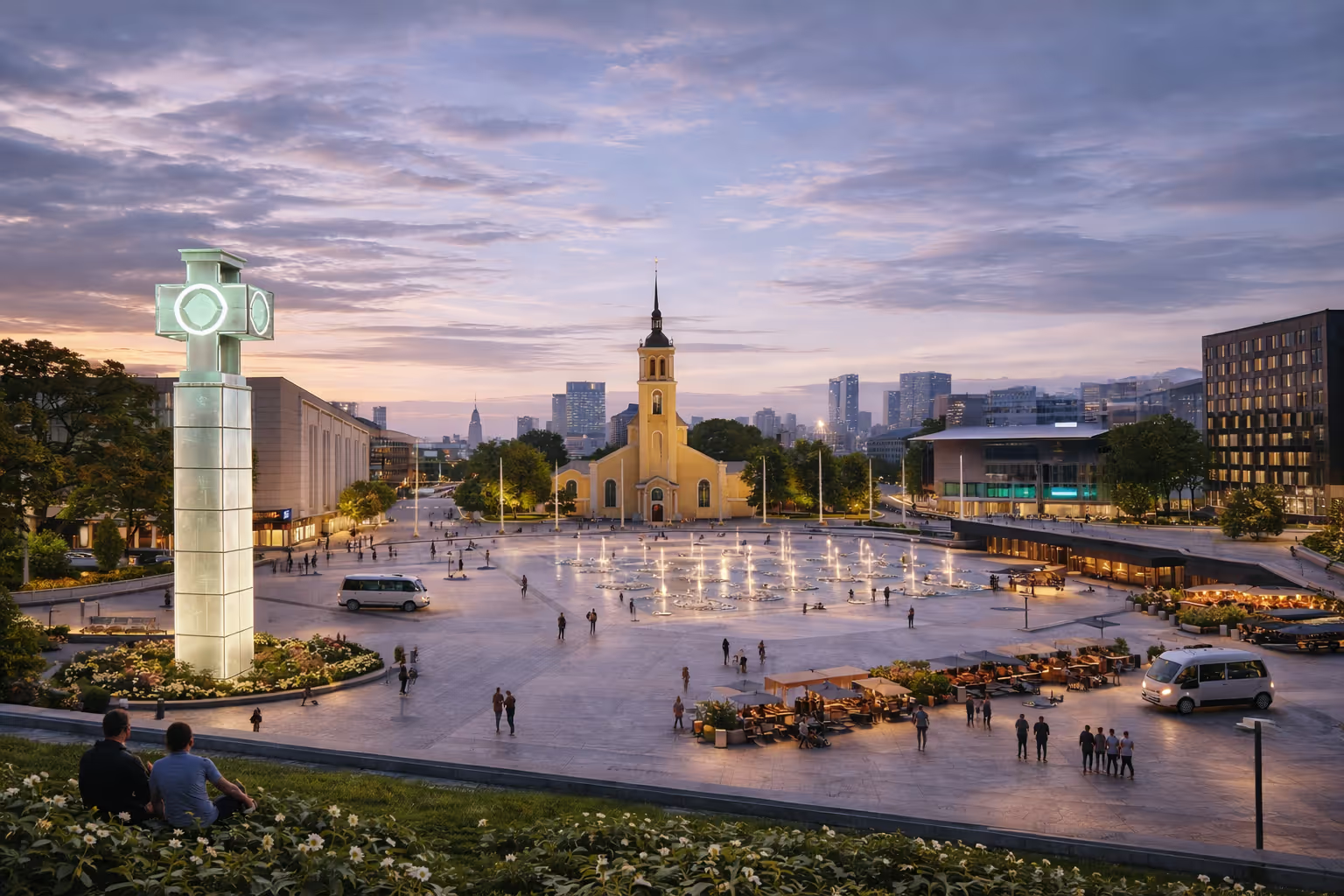
But AI also gets Estonia wrong in a revealing way. It tends to imagine the future visually before it imagines it politically or culturally. So it gives you gleaming skylines, holograms, autonomous trams, glass towers, and blue-lit interfaces hovering above old stone streets. It imagines Tallinn as if it were trying to become Singapore with church spires. Yet Estonia’s real digital story has never been about spectacle. Its most radical achievement has been making systems disappear into ordinary life: taxes, signatures, records, voting, identity, school infrastructure. The likely future of Estonia is not cyberpunk. It is administrative minimalism. That is an inference, but it follows directly from the way Estonia frames both e-governance and its new AI strategy: as productivity, usability, and practical value rather than theatrical disruption.
That is why the most interesting AI image of Tallinn is not one in which the city erases itself and starts over. It is one in which layers remain visible. Tallinn’s future will almost certainly look more convincing if it keeps its contradictions intact: the medieval core, the Soviet afterimage of Hotel Viru, the heavy concrete geometry of Linnahall, the panoramic confidence of the TV Tower, the cultural seriousness of KUMU, and the state symbolism of Toompea Castle. These are not background props. They are Estonia’s actual timeline made visible. Linnahall still carries the monumental residue of the 1980 Moscow Olympics; Viru still embodies the strange double world of Soviet foreignness and surveillance; KUMU is both museum and social debate; the TV Tower is literally a window onto Tallinn’s past and present. An AI-generated Estonia becomes much more interesting when it is not scrubbed clean of those layers.
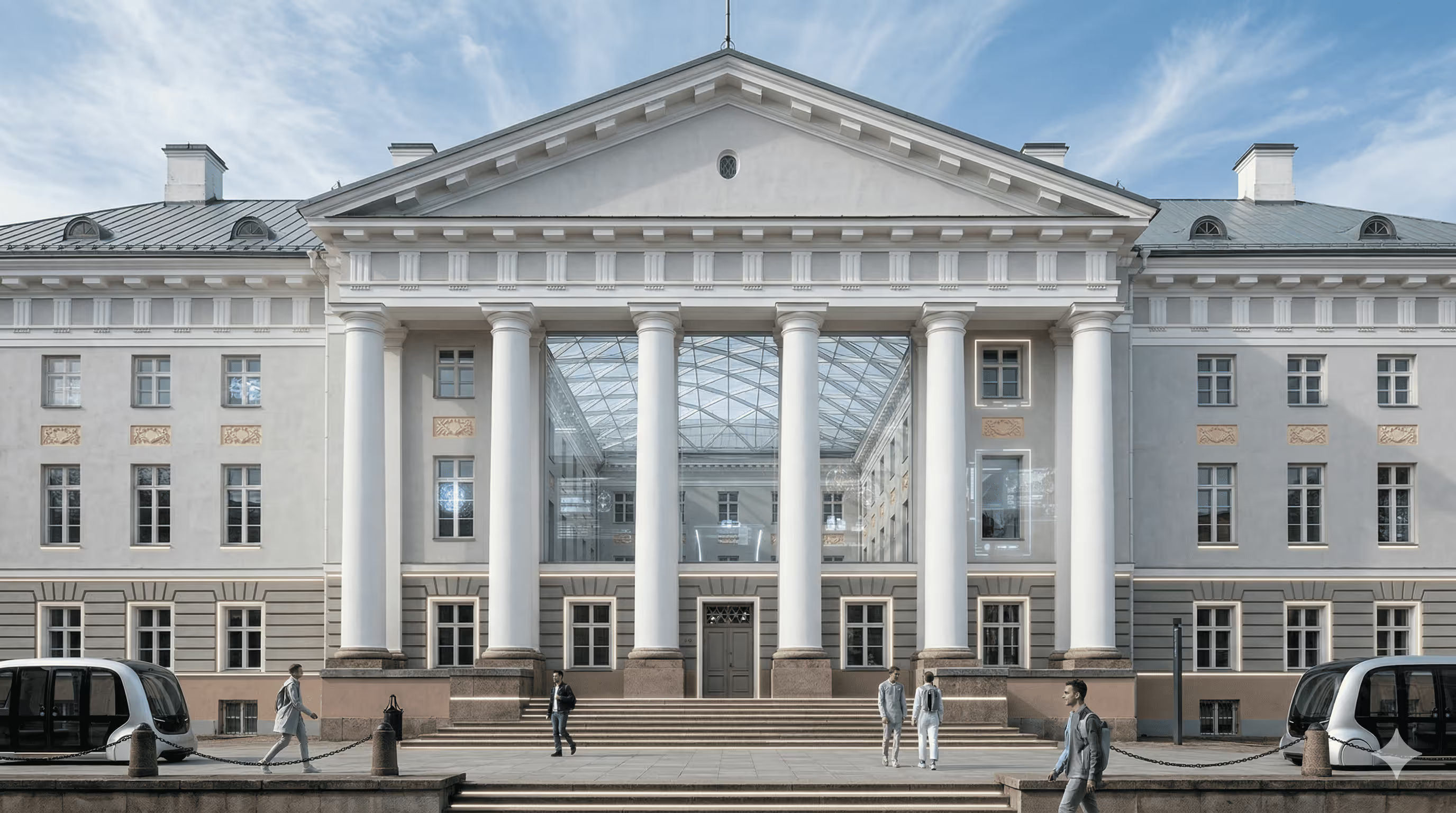
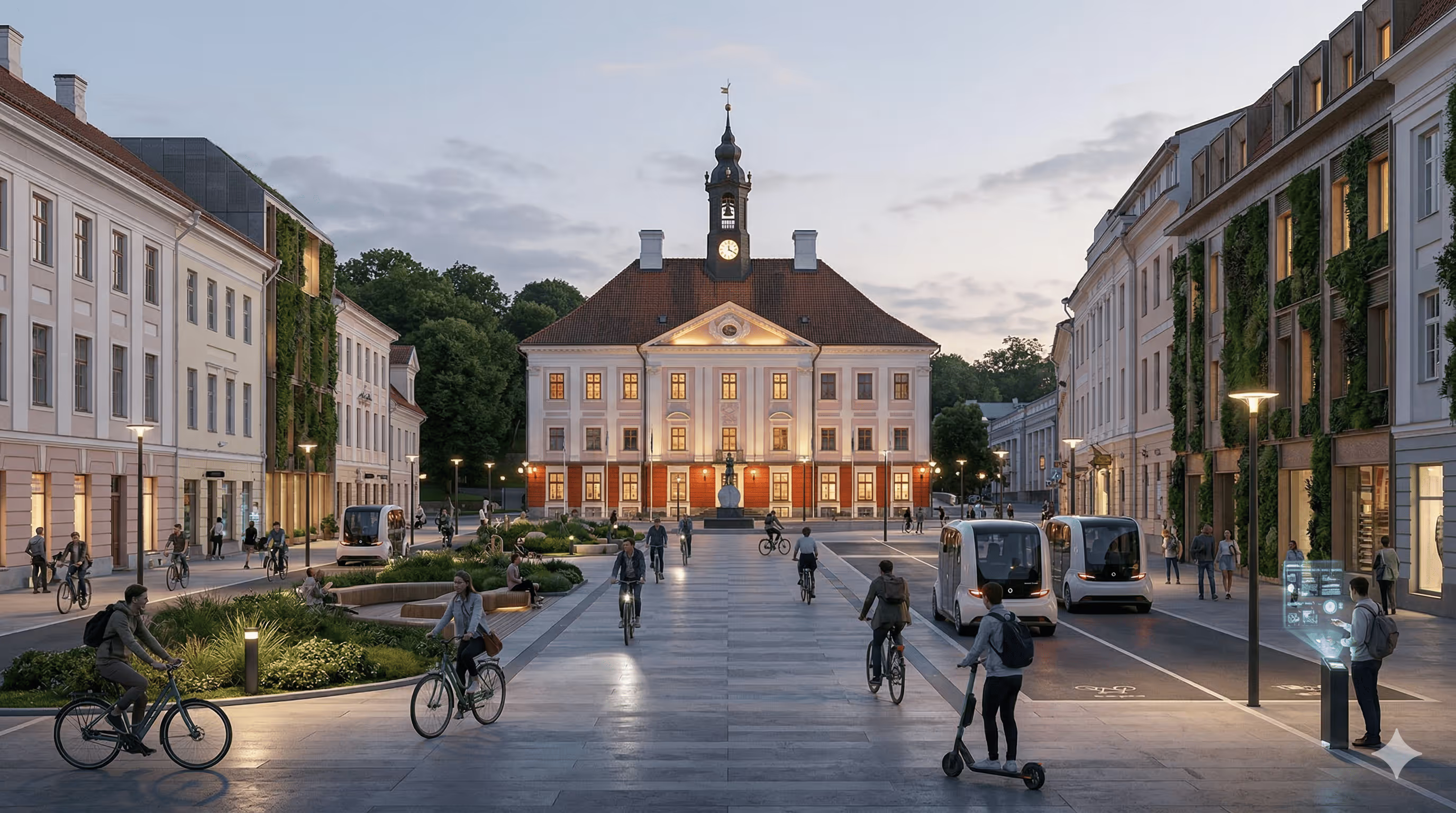
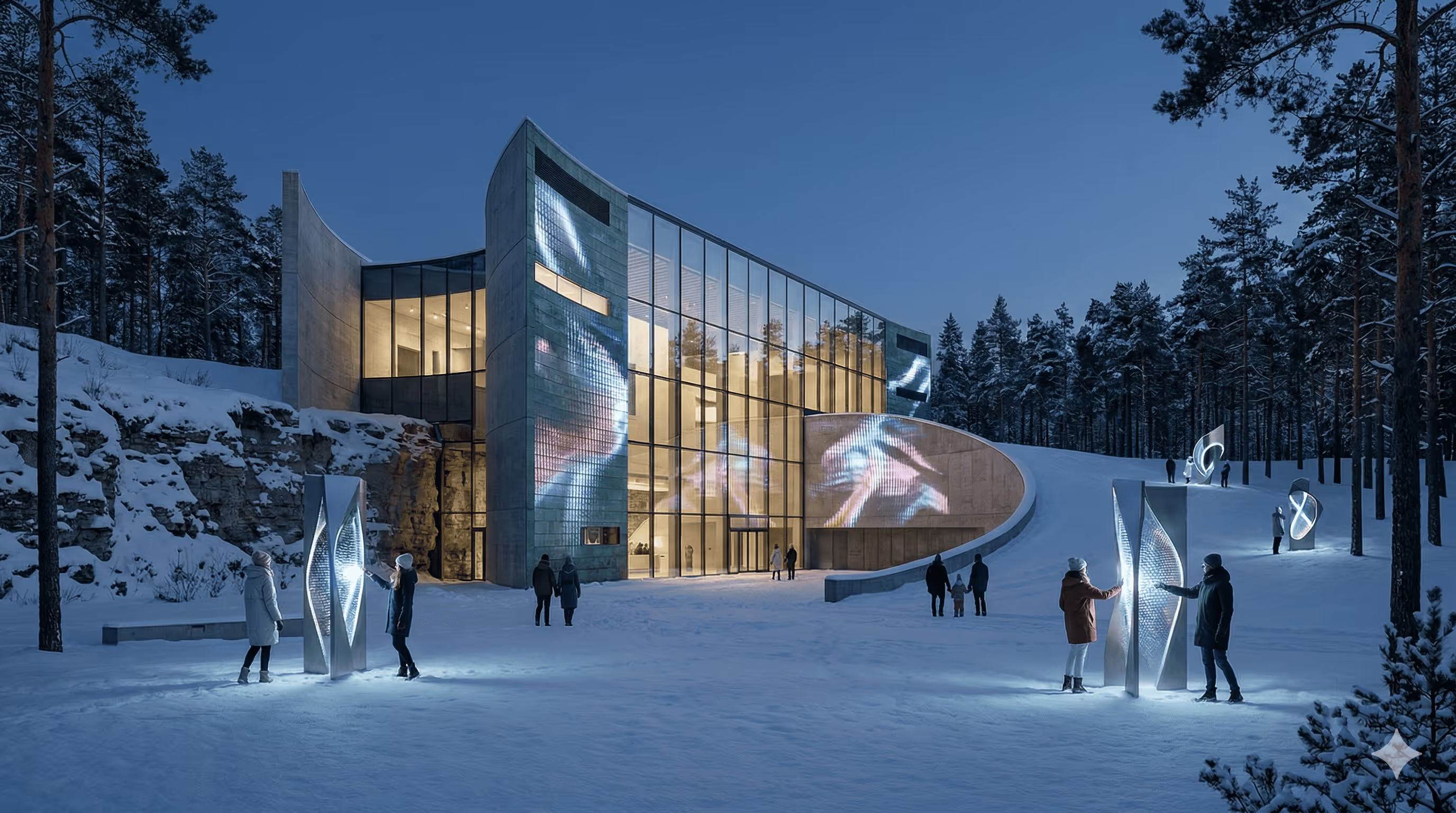
Tartu, meanwhile, may be even more revealing than Tallinn. If Tallinn is where Estonia stages power, Tartu is where it stages intelligence. The city’s Town Hall remains the symbolic heart of the old city; the University of Tartu main building has anchored scientific and cultural life since the early 19th century; the Estonian National Museum turns national memory into a large contemporary institution; and AHHAA makes science feel public, interactive, and civic rather than remote. If AI imagines Estonia well, it should imagine Tartu not as a mini-Tallinn, but as a place where education, culture, and technological curiosity are allowed to shape the future more quietly.
In other words, the most revealing question is not what AI sees in Estonia. It is what Estonia teaches AI to value. A small state with strong digital infrastructure, a culture of institutional trust, and a willingness to move national policy into schools can look unusually legible to machine systems because it already runs on structure. Estonia is not waiting for AI to invent its future from scratch. It is trying to absorb AI into a society that already believes systems should be coherent, fast, and mostly invisible.
That may be why “the future of Estonia” feels so clickable in the first place. It promises novelty, but what makes it compelling is continuity. Estonia’s real advantage is not that it looks futuristic. It is that it knows how to make the future feel normal. In Tallinn, that may mean a city where ancient streets coexist with smarter public services and repurposed modernist landmarks. In Tartu, it may mean a university city where AI becomes less a spectacle than a layer in education, research, and cultural life. The future here is unlikely to arrive with neon drama. It will probably arrive the Estonian way: quietly, efficiently, and all at once.
%20(1).avif)
.avif)
.avif)
.avif)
.avif)
.avif)
.avif)
.avif)
.avif)
.avif)
.avif)
.avif)
%20(1).avif)
.avif)


)%20(1).avif)