At imagineNATIVE, Sámi Films Open a Bigger Northern Conversation
For many readers of The Northern Voices, the word “northern” arrives with familiar images already attached: clean-lined design, midsummer light, winter forests, wool, choir music, folk schools, literary melancholy, and the durable emotional weather of Nordic cinema. These images are not false. But they are incomplete.
If Nordic and Baltic communities in the United States and Canada want a fuller conversation about culture from the region—one that reflects the present rather than repeating a polished export version of it—then Sámi film belongs much closer to the center.
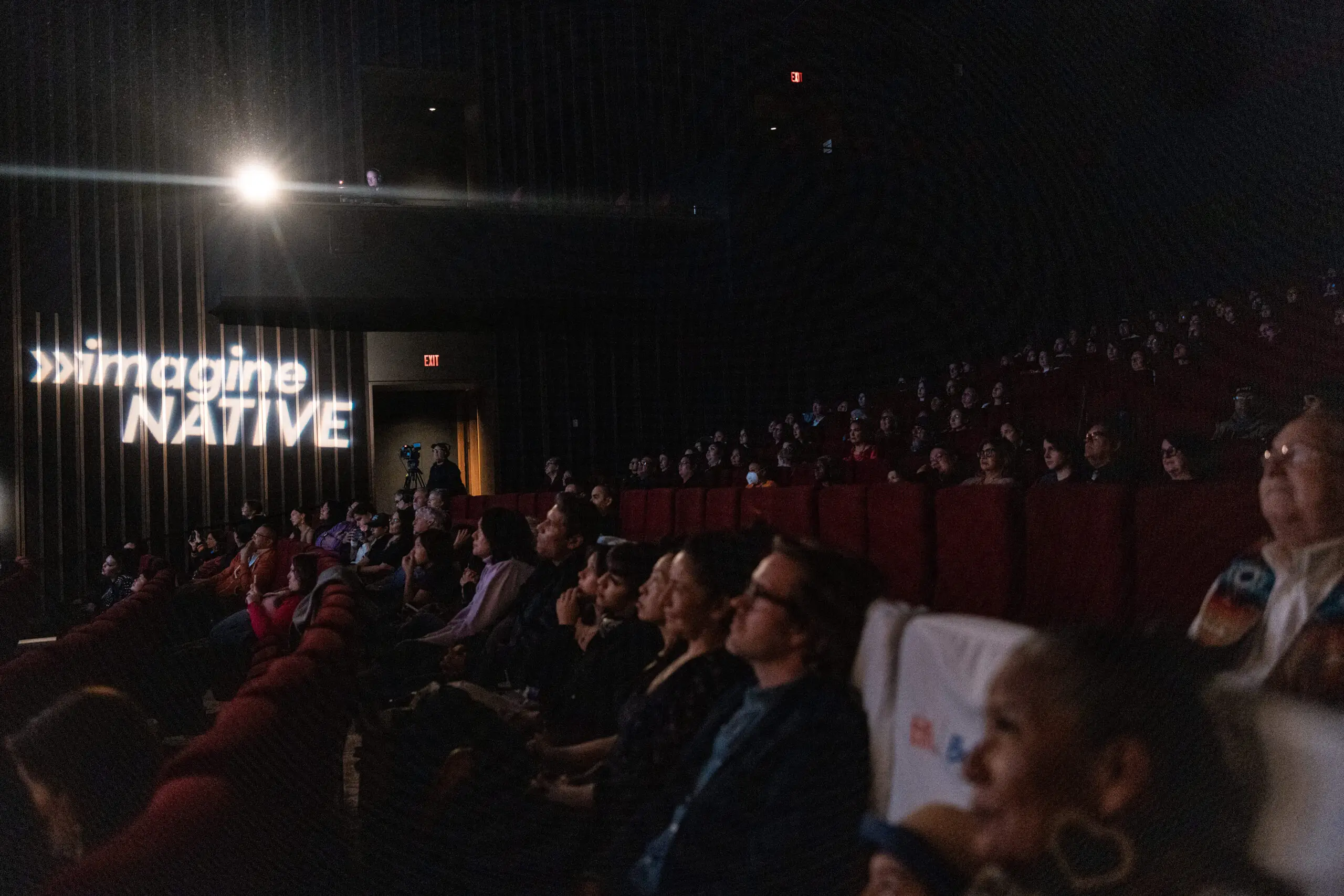
That is part of what makes the 2026 imagineNATIVE Film + Media Arts Festival in Toronto such an important moment. The festival runs in person from June 2 through June 7, then continues online from June 8 through June 14. This year’s program features work representing 56 Indigenous Nations across 20 countries, with imagineNATIVE describing itself as the world’s largest presenter of Indigenous screen content. For Nordic and Baltic audiences in North America, the festival offers something more specific as well: a chance to encounter Sámi storytelling in a space that does not treat it as a decorative regional detail, but as living contemporary art with its own languages, tensions, humor, grief, and creative force.
This matters because Sámi culture is still too often introduced to outsiders through fragments. A joik appears in a concert. A gákti appears in a museum exhibition. A reindeer image appears in tourism branding. These fragments may spark curiosity, but they can also flatten a people into atmosphere.
Film can do something else. It can restore movement, contradiction, family texture, silence, anger, play, memory, and the pressure of the present tense. It can show that Indigenous northern life is not a heritage backdrop to modernity, but one of the places where modernity is being argued with most vividly.
The 2026 imagineNATIVE lineup makes that argument in several different registers. In Vuogáiduvvan (Adaptation), directed and written by Aslak Paltto, traditional Sámi reindeer herding is presented not as picturesque continuity, but as a way of life under direct climate pressure. The five-minute Northern Sámi documentary short, listed as a North American premiere, follows the need to adapt as warming conditions threaten the future of the herd. The festival description is stark: without adaptation, the reindeer starve, and “there will be no future left.”
It is difficult to imagine a more contemporary northern subject. Yet the film’s urgency does not come from abstraction. Climate change here is not a distant policy theme, a graph, or an argument staged elsewhere. It presses directly on livelihood, inherited knowledge, daily decisions, and survival. For North American audiences accustomed to seeing Nordic countries praised for environmental leadership, Sámi film complicates the picture. It reminds us that the climate story of the North is not only about innovation, governance, or green branding. It is also about Indigenous people living the consequences of ecological instability on lands they know intimately.
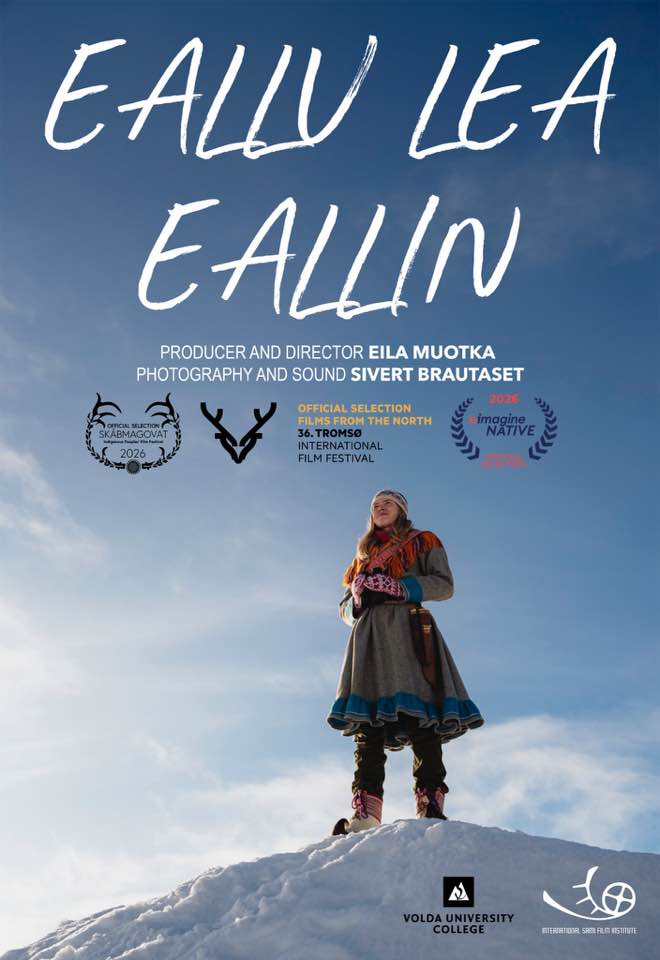
Another 2026 selection, Eallu lea eallin, directed, written, and produced by Eila Marie Engkvist Muotka, approaches reindeer herding through a different generational lens. The Northern Sámi documentary short follows a young female Sámi reindeer herder who must choose between further education and taking over her ancestors’ traditional way of life. That premise carries a tension familiar across many heritage communities, but in a Sámi context it becomes sharper. The question is not simply whether to leave or stay, modernize or preserve, study or work. It is how a young person carries responsibility when culture is not an object inherited once, but a practice that must be lived, defended, and renewed.
The festival also includes Borderline, a dramatic short by Johannes Vang, identified in the program as Northern Sámi. Its premise sounds almost comic at first: a Norwegian customs officer, a Finnish poacher, and a mysterious Swedish woman meet at the border and become entangled in conflict over laws, language, and prejudice. But the humor sits on top of something serious. Sápmi has always exceeded the national borders that later divided it. For Nordic and Baltic readers in diaspora, whose inherited identities are often organized by nation—Norwegian, Finnish, Swedish, Estonian, Latvian, Lithuanian, Danish, Icelandic—Sámi cinema offers another way of understanding the North. It asks viewers to think not only through flags and states, but through language communities, borderlands, land-based memory, and Indigenous continuity.
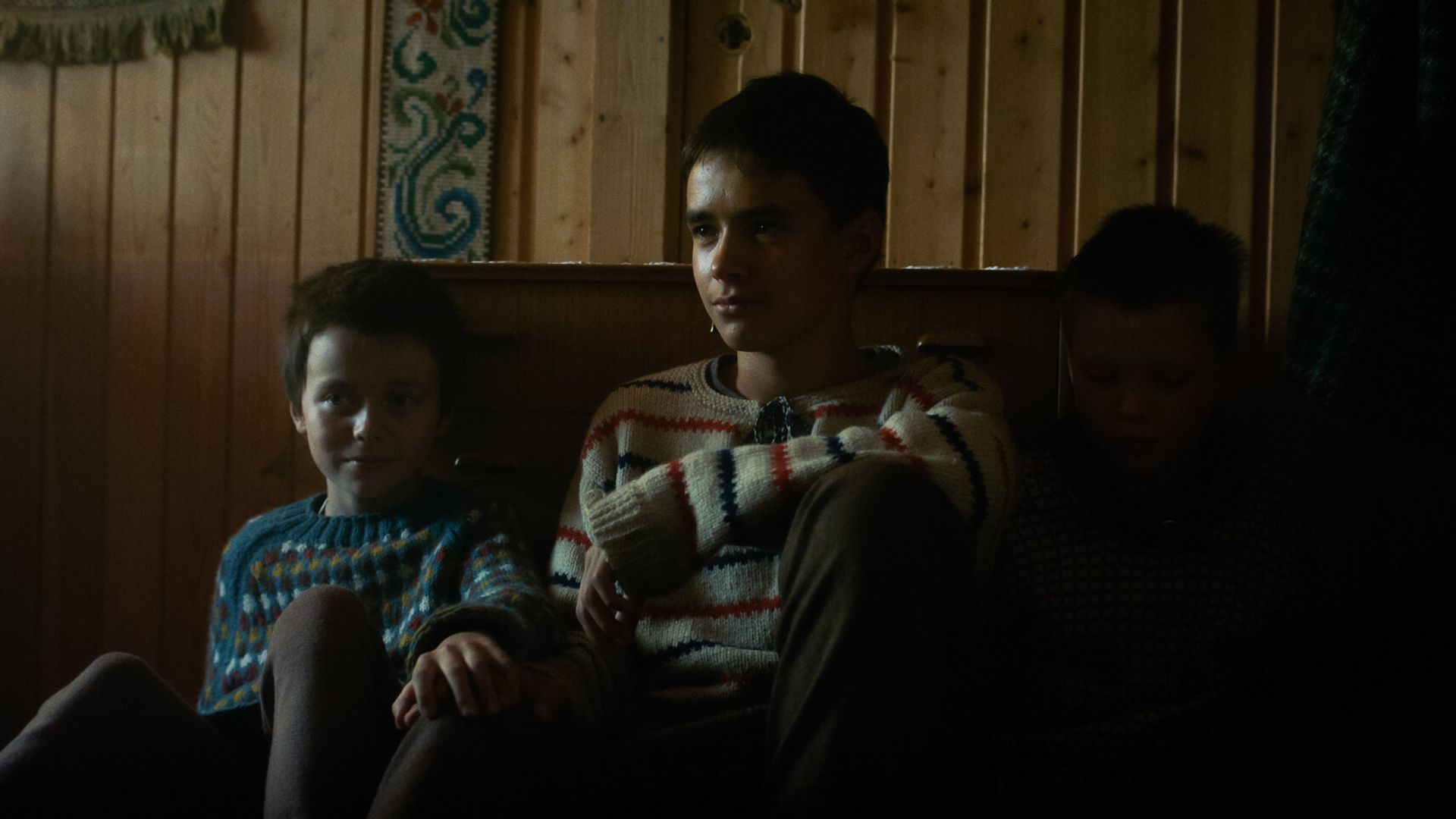
That widening is also present in Vieljažagaid iežaska jáhkku (Brothers of Faith), a Northern Sámi dramatic short by Gákte Biera. Set around two brothers trying to hold on to themselves inside a colonial boarding school designed to erase who they are, the film joins a broader imagineNATIVE program of works about defiance, survival, and colonial systems. For North American audiences, the subject will carry immediate resonance with the histories of residential and boarding schools across Indigenous communities in Canada and the United States. For Nordic audiences, it should also prompt a more honest reckoning with the region’s own assimilation histories. The North was never only a landscape of welfare states, literature, and design. It was also a place where languages were suppressed, identities were policed, and Indigenous children were forced to carry burdens created by majority societies.
This is where imagineNATIVE’s setting matters. Toronto is one of the most layered diaspora cities in North America, and imagineNATIVE is not a niche side room within its cultural life. It is a major Indigenous screen gathering, one where Sámi works enter into conversation with filmmakers from many nations, territories, and artistic traditions. That context is important. Sámi films appearing there are not simply “Nordic films abroad.” They are Indigenous works meeting other Indigenous works on terms that do not require majority Nordic institutions to validate them first.
For Nordic and Baltic audiences, that can be clarifying. It suggests that the right response is not polite inclusion, but active attention. Sámi film does not merely add diversity to a northern cultural picture. It changes the picture itself. It asks harder questions: whose North has been exported most successfully? Whose North has been softened for international consumption? Whose stories have been treated as regional color rather than central cultural knowledge? And what would happen if North American Nordic and Baltic institutions took Sámi storytelling as seriously as they take design, music, literature, and national independence narratives?
There is recent momentum behind this attention. In 2025, the Sámi documentary ÁHKUIN by Radio-JusSunná / Sunná Nousuniemi and Guhtur Niillas Rita Duomis / Tuomas Kumpulainen won imagineNATIVE’s New Voices of Storytelling Award. Centered on joik and three generations of a Sámi family, the film offered a visual and musical call-and-response between a grandmother and her descendants. It was not a film about heritage as a frozen object. It was about voice moving through time.
The 2026 lineup continues that larger conversation, but broadens the frame. Reindeer herding under climate pressure. A young woman weighing education and ancestral responsibility. A borderland comedy about law, language, and prejudice. Brothers resisting erasure inside a colonial school. Together, these works show Sámi cinema not as a single theme, but as a field of artistic possibility: documentary, drama, humor, memory, language, and political clarity.
For younger readers especially, including those whose connection to the Nordic or Baltic world may feel partial, mixed, interrupted, or inherited in fragments, that matters. Sámi screen storytelling offers another way into northern culture—one that is neither museum-like nor sentimental. It is contemporary, self-possessed, and fully alive.
imagineNATIVE’s 2026 program suggests that one of the most necessary northern conversations in North America is not about rediscovering a familiar heritage object. It is about listening more carefully when Sámi filmmakers remind us that the North has never been one story, and was never meant to be.

)%20(1).avif)