Valev Laube: Hingedeaeg, or the Season We Left Behind
By Valev Laube | Essay · Northern Reflections
There is a period in the Estonian year with no equivalent in English, and its absence from English is most of the reason it does not survive the Atlantic crossing.
Hingedeaeg. Souls' time. The weeks in late autumn when the dead were understood to come home.
Not for an evening. For weeks.
I want to describe what it actually involved, because almost every North American encounter with it arrives pre-translated into Halloween, and Halloween is very nearly its opposite.
What it was
The boundaries were never fixed, and the folklorists are clear that this vagueness was original rather than a sign of forgetting. In central South Estonia, where the practice was most consistently recorded, hingedeaeg ran from roughly a week after mihklipäev — Michaelmas, 29 September — until about a week before mardipäev on 10 November. Elsewhere it was pulled towards All Souls' Day on 2 November, or stretched forward to Christmas. Different districts kept different lengths, and nobody in a given village seems to have been troubled by the fact that the next village kept a different one.
During that period, the souls of the household's dead were at home.
Not haunting it. Visiting it.
Food was set out for them — a portion of everything the household was eating, laid out most often in the loft, occasionally in the sauna. The family kept quiet. Work stopped, particularly textile work: no spinning, no weaving. Ethnographers have collected accounts of people speaking to the souls directly, addressing them by name, and asking them to bless the crops and the cattle.
At the end of the period there was a send-off. A formal one. You had guests; when guests leave, you see them out.
The thing this is not
Halloween descends from the same rough seam of European autumn practice, and I have no interest in the tedious argument about which is more authentic. Both are real, both are old in their own lines, and my nieces' generation in Tallinn now does all three — Halloween, mardipäev and kadripäev — across a single fortnight, to the mild exasperation of everyone who has to buy the sweets.
But the emotional structure is different, and the difference is the whole point.
Halloween works by inversion. The dead are frightening, the frightening is made funny, and the fear is discharged through costume and sugar. It is a good machine and it does real work.
Hingedeaeg is hospitality. The dead are not frightening; they are family who are, for a few weeks, in the house. You feed them. You keep your voice down because there are people resting upstairs. You do not spin, in the way you would not run a table saw while a guest is sleeping.
One is a night for managing fear. The other is a season for keeping a relationship going.
The two days that did survive
Bracketing hingedeaeg are the two Estonian autumn days that made it out of the country more or less intact, because they are for children and children's traditions travel.
Mardipäev, 10 November. The mardisandid go house to house in dark, rough clothing, led by a Mardi-isa — a Mardi-father — making noise with pots and instruments, singing, asking riddles. They are let in, they perform, they are fed, and their visit is understood to bring luck to the harvest. There is goose afterwards.
Kadripäev, 25 November. The kadrisandid go out in light-coloured clothing, led by a Kadri-ema, singing a different set of songs. Mardi is dark and male-coded and about the fields; Kadri is white and female-coded and about the animals, particularly getting the cattle through the winter. Porridge, beans, peas, beer.
Any Estonian who grew up in Toronto or Lakewood or Vancouver in the 1970s will have done mardisandiks käimine at least once. These days survived the crossing because they are legible to a North American child: you dress up, you go to doors, you get food. That is a shape the surrounding culture already has.
The season between them did not survive, because it has no such shape. There is nothing in the North American year to attach three quiet weeks to.
The regional map
Estonia is not unusual here. What is striking is how much of the neighbourhood kept the same season under different names.
Latvia has veļu laiks — the time of the veļi, the spirits of the dead — running on almost exactly the same axis, from Miķeļi at the end of September to Mārtiņi on 10 November. Lithuania has Vėlinės on 2 November, still one of the most heavily observed days in the country, with the cemeteries lit.
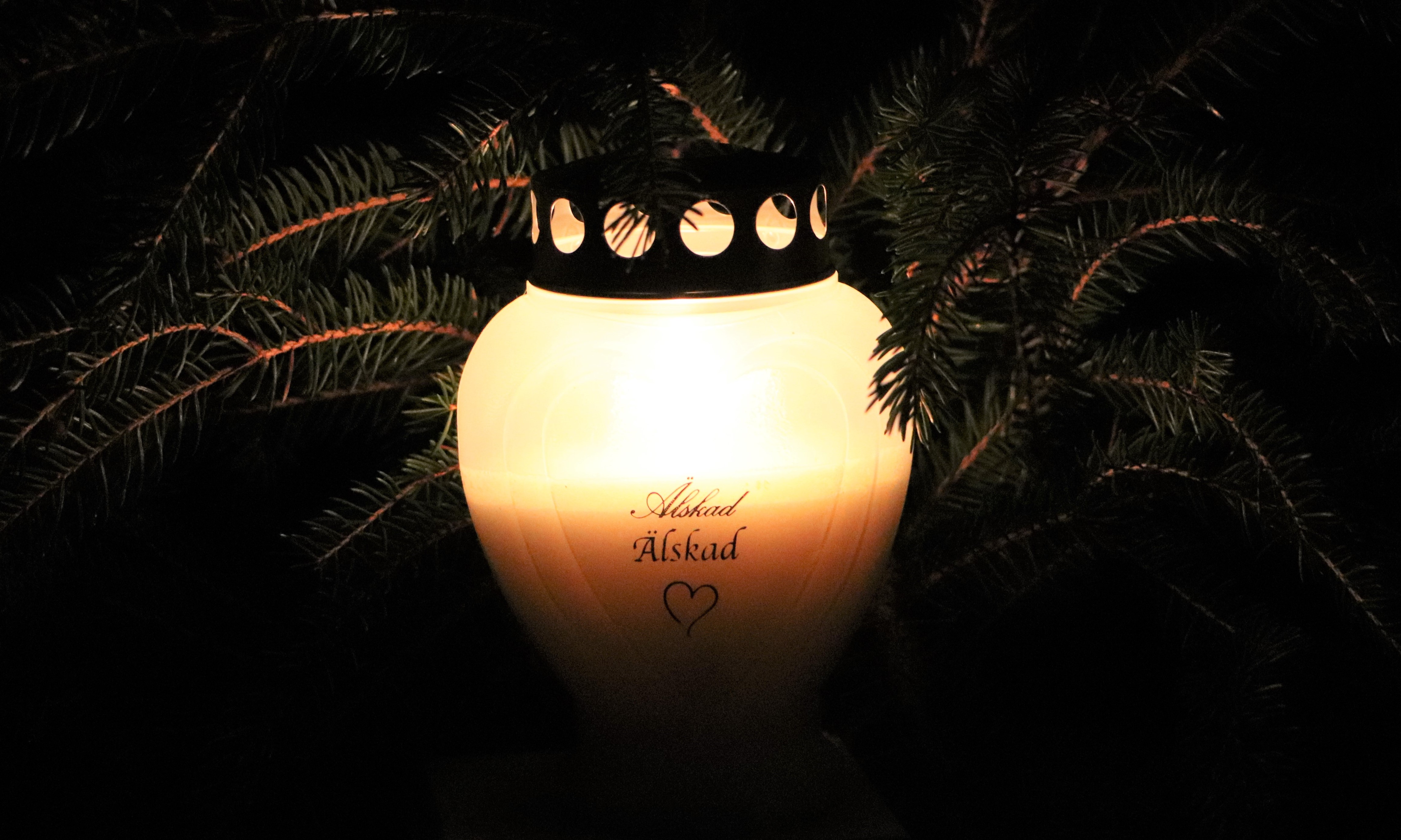
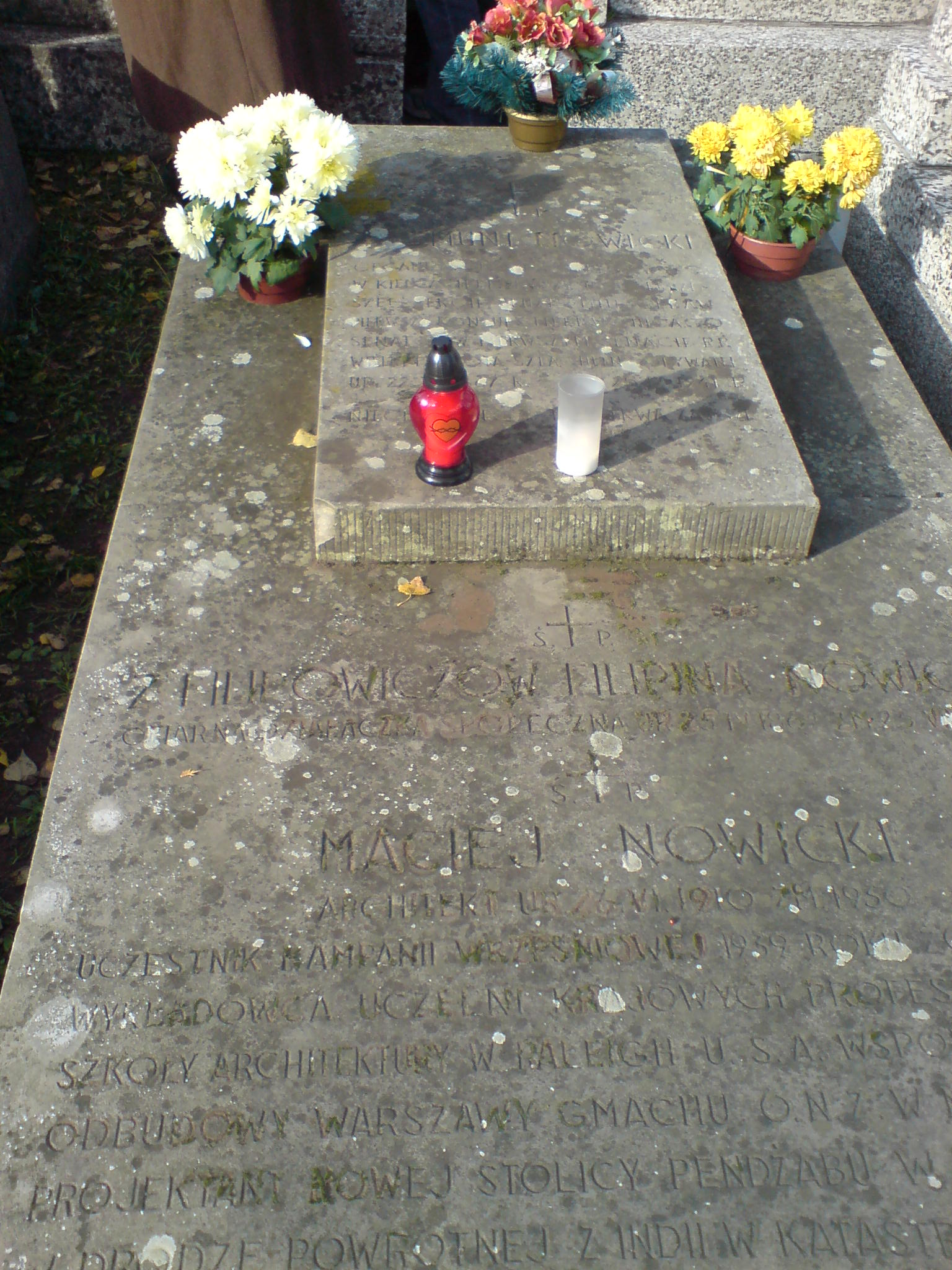
Finland and Sweden have folded theirs into the church calendar: Pyhäinpäivä and Alla helgons dag, on the Saturday falling between 31 October and 6 November. The candle-lighting in Nordic cemeteries on that night is a comparatively modern practice that has become enormous — whole graveyards lit, families walking the paths in the dark.
What all of these share is not theology. It is a decision about pacing: that the appropriate unit for the dead is a season, and specifically the season when the light goes.

Why the loss is not sentimental
I wrote recently that in diaspora families the small calendar goes before the food does, and that this is because the small days have nothing local to attach to. Hingedeaeg is the clearest case I know.
But I do not think what is lost here is merely a charming custom, and I want to be careful not to write about it as if it were folklore in the diminishing sense.
Consider what the practice actually did.
It gave grief a container with a beginning and an end. It scheduled it. Once a year the dead were expected, prepared for, addressed by name, asked for things, and then formally seen out. And crucially, it did all of this collectively — the whole village on the same weeks, the whole household quiet at the same time.
Compare the arrangement most of us now have, in which grief is private, unscheduled, individually managed, expected to conclude on a timetable that nobody states out loud, and largely invisible to anyone not in the immediate family. We have therapists, which the nineteenth-century Estonian farmhouse did not, and I would not trade them. But we do not have a season. We have a funeral and then a long silence.
The people who built hingedeaeg were not being whimsical. They lived with agricultural mortality rates, they lost children routinely, and they arrived at a structure in which the dead stayed reachable, on a schedule, forever. That is not superstition dressed as comfort. It is a functional piece of social technology, and we dismantled it without building a replacement.
What you can actually do
I am wary of the essay that ends by instructing the reader to reclaim a tradition, because that is usually how a living practice becomes a craft project.
So let me put it at the lowest possible level of ambition.
Sometime in the first week of November, light a candle for somebody. At home is fine; a cemetery is better if there is one within reach, and much better if you go after dark.
Say the name out loud. That is the part that carries the tradition — not the candle, which is decoration, but the naming, which is what people actually did.
If you have children, tell them who the person was. Not a moral lesson about them, just who they were and one specific thing about them. Something small, ideally something slightly unflattering, because that is what makes a dead person sound like a person rather than a portrait.
And if you want the full version: set an extra plate at dinner one evening that week and leave it there through the meal. Nobody has to explain it. Somebody will ask.
That is roughly what a nineteenth-century Estonian household was doing, minus the loft and the prohibition on spinning.
It takes about ten minutes and no equipment, and unlike almost everything else in this territory, it does not require you to speak the language, own the costume, live near the hall, or have anybody's permission.
The season starts when the light goes. It is going now.
Selected reading
Mall Hiiemäe, “Souls' Visiting Time in the Estonian Folk Calendar”, Estonian Literary Museum — available at folklore.ee.
Estonian Folklore Archives, Tartu, for the collected accounts of household practice during hingedeaeg.
On the neighbouring traditions: Latvian veļu laiks, Lithuanian Vėlinės, and the Finnish and Swedish All Saints' observances, each of which has a substantial ethnographic literature of its own.
.jpg)