Lithuania scouts 14 sites for new military facilities in the south
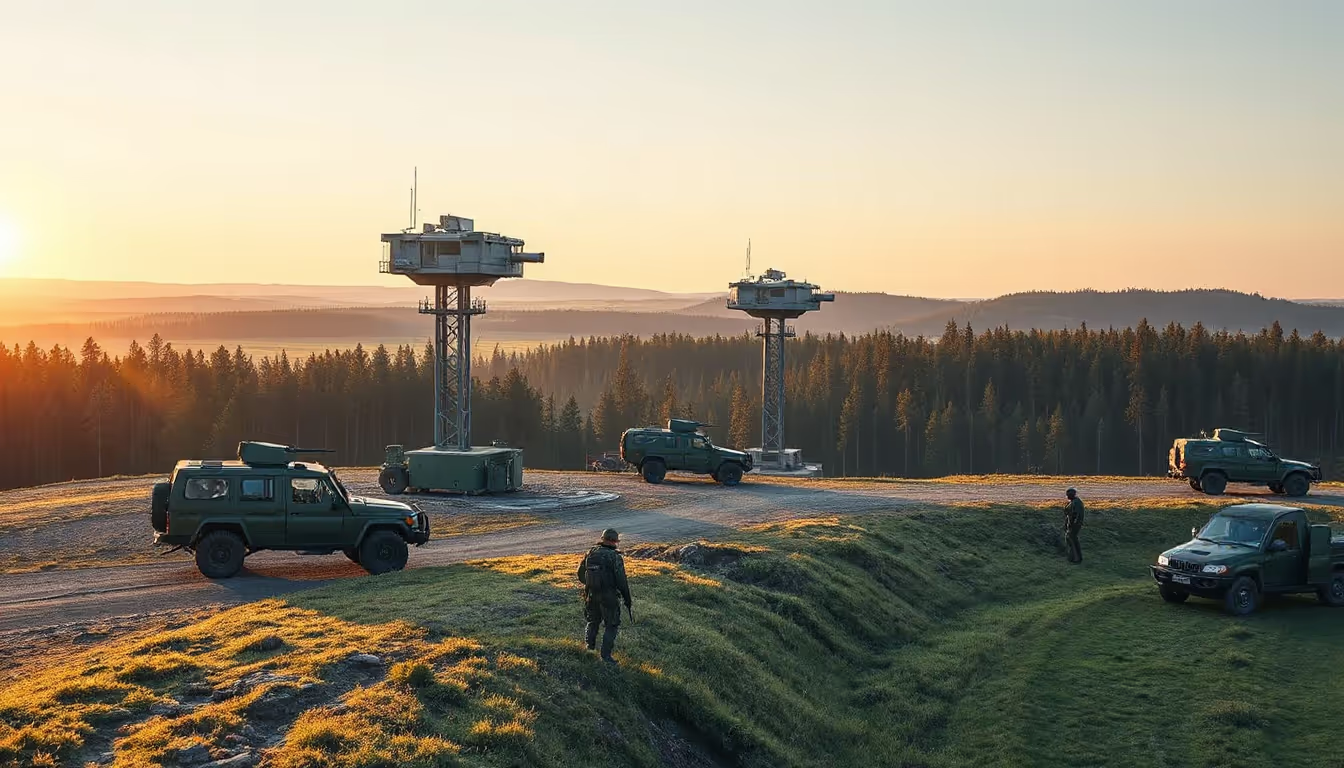
On April 11, 2025, Lithuania announced plans to construct several new military facilities within its territory. The decision stems from concerns that existing facilities are inadequate to accommodate the growing number of Lithuanian troops and NATO personnel stationed in the country.
Increased Military Presence
Amid rising tensions in Eastern Europe, Lithuania is working to expand its military capacity. The country hosts thousands of soldiers from various NATO member states, and Germany has announced plans to permanently station troops there. In March, Lithuanian President Gitanas Nausėda set out a defense budget increase to 5.25% of Gross Domestic Product, aimed at readiness against potential threats from Russia.
Strategic Expansion near the Suwalki Gap
Lithuania's Chief of Defence, Raimundas Vaikšnoras, pointed to the need for additional military infrastructure in the south of the country, identifying 14 potential locations. That region takes in the Suwalki Gap, the narrow stretch of land between Belarus and Russia's Kaliningrad exclave that connects Lithuania to Poland, and is widely described as NATO's most exposed point. Lithuania maintained military facilities at Varėna from 1925 and has considered reactivating them.
Defense officials in the Baltic states have said Russian military activity around the Suwalki Gap could increase following any ceasefire in Ukraine, as forces are freed up.
Increased Surveillance of Russian Transit
Lithuania's Interior Minister Vladislav Kondratovič said Russian freight and passenger trains passing through Lithuania — the rail transit to Kaliningrad — would be subject to aerial surveillance by helicopter. "Our goal is to ensure safe transit of trains from Russia, not just for Lithuania but for the entire European Union," he said. The European Commission allocated €25 million for Lithuania to acquire three helicopters equipped with video surveillance systems and emergency equipment.
Proposed Sanctions Against Russia and Belarus
Lithuania's Foreign Ministry has also proposed a mechanism to impose economic sanctions on Russia and Belarus independently of the European Union's collective measures, so that sanctions could continue even if the EU declined to extend them. The ministry said individual member states should retain the ability to respond, and that it would begin sanctioning Russian and Belarusian individuals who support the war in Ukraine.
Reported by IDN Times.

)%20(1).avif)