Rising prices keep Lithuanians away from cafés and restaurants
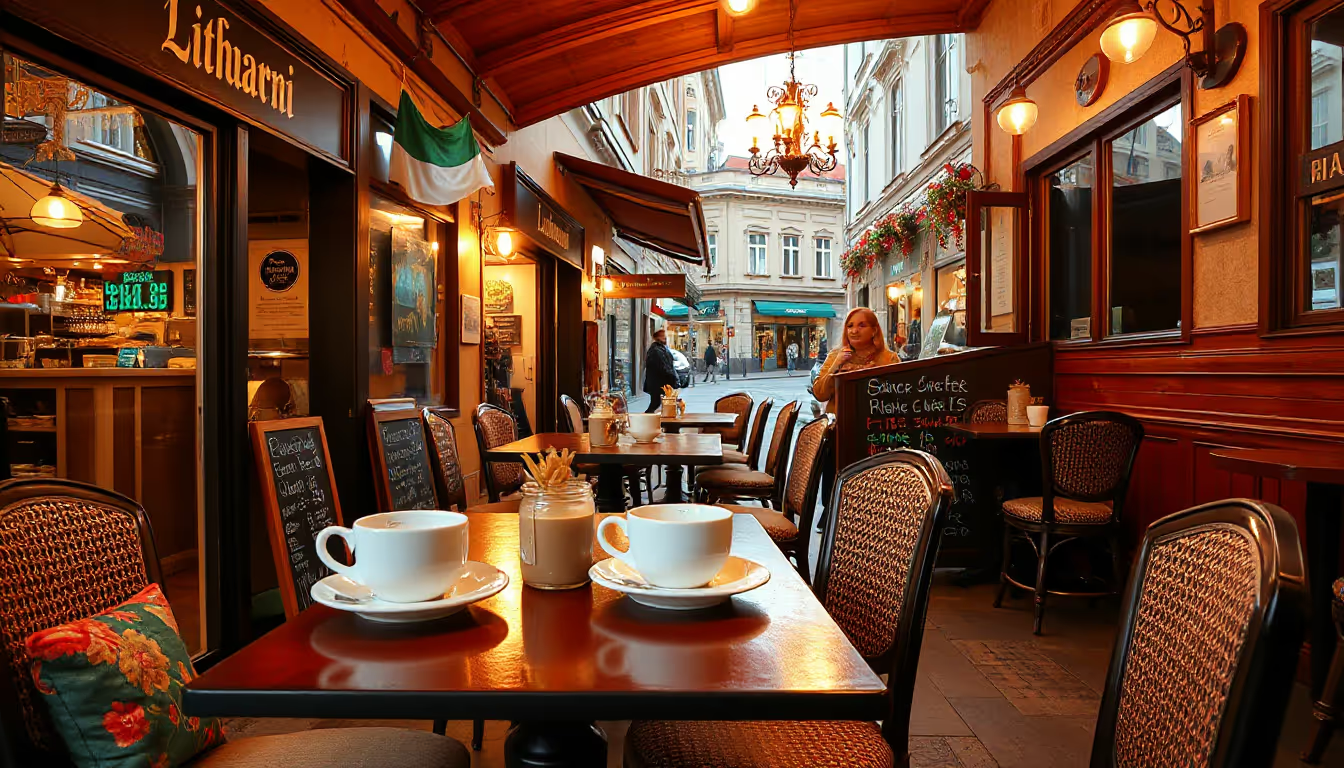
A recent survey indicates that many people in Lithuania are opting to avoid eating out at cafés and restaurants due to significant price increases. Over the past six months, 34 percent of respondents reported they have stopped going out to dine altogether. Among the 65 percent who still visit these establishments, 39 percent maintain their previous frequency, while 22 percent are dining out less often, and a mere 4 percent are visiting more frequently.
Economic Challenges Highlighted
Tadas Povilauskas, an economist at SEB Bankas, highlighted the importance of the survey, stating, "That's a significant figure and seems to send a message that those in the catering services sector are trying to convey – that the situation is quite challenging."
Evalda Šiškauskienė, head of the Lithuanian Hotels and Restaurants Association, pointed to the end of the reduced VAT rate that had been in place since the Covid-19 pandemic. Several establishments have closed, citing higher operating costs and the changed tax treatment.
Struggling Industry
According to Šiškauskienė, a rising tax burden, higher wages, and reduced consumer spending compound the pressure on eateries. "To stay afloat, prices would need to be 20% higher, as current profitability is near zero," she said. She was most concerned about smaller towns and rural areas, where a single closure removes the only place to gather. "When they close, it feels heartbreaking because social life in the region then comes to a halt,” she said.
Consumer Spending Insights
The picture is not uniform. Justina Bagdanavičiūtė, head of financial literacy at Swedbank, reported that spending on dining out had risen by around 12 percent against the same period a year earlier — which, set against the survey, suggests fewer people are eating out but those who do are paying more per visit. "There are also people for whom rising prices have reached a tipping point – they start to scrutinize the price-to-quality ratio more carefully and choose to cook at home more often," she said.
Conclusion
The two data sets together describe a sector dividing: aggregate spending up, participation down. For restaurants in Vilnius that may be survivable. For a single café in a small town, where the 34 percent who stopped going out are a larger share of the available custom, it is a different arithmetic.

)%20(1).avif)