Eesti Laul 2027: a first listen to all 12 songs
Estonia heard its twelve contenders for Eurovision 2027 on Friday night. ERR revealed every Eesti Laul 2027 finalist song, with a music video for each, in a live broadcast on ETV, and the songs went up on YouTube as the show rolled on. The twelve were chosen by a 40-member jury from 155 entries, 60 of them in Estonian, and the jury listened without knowing who wrote or sang them.
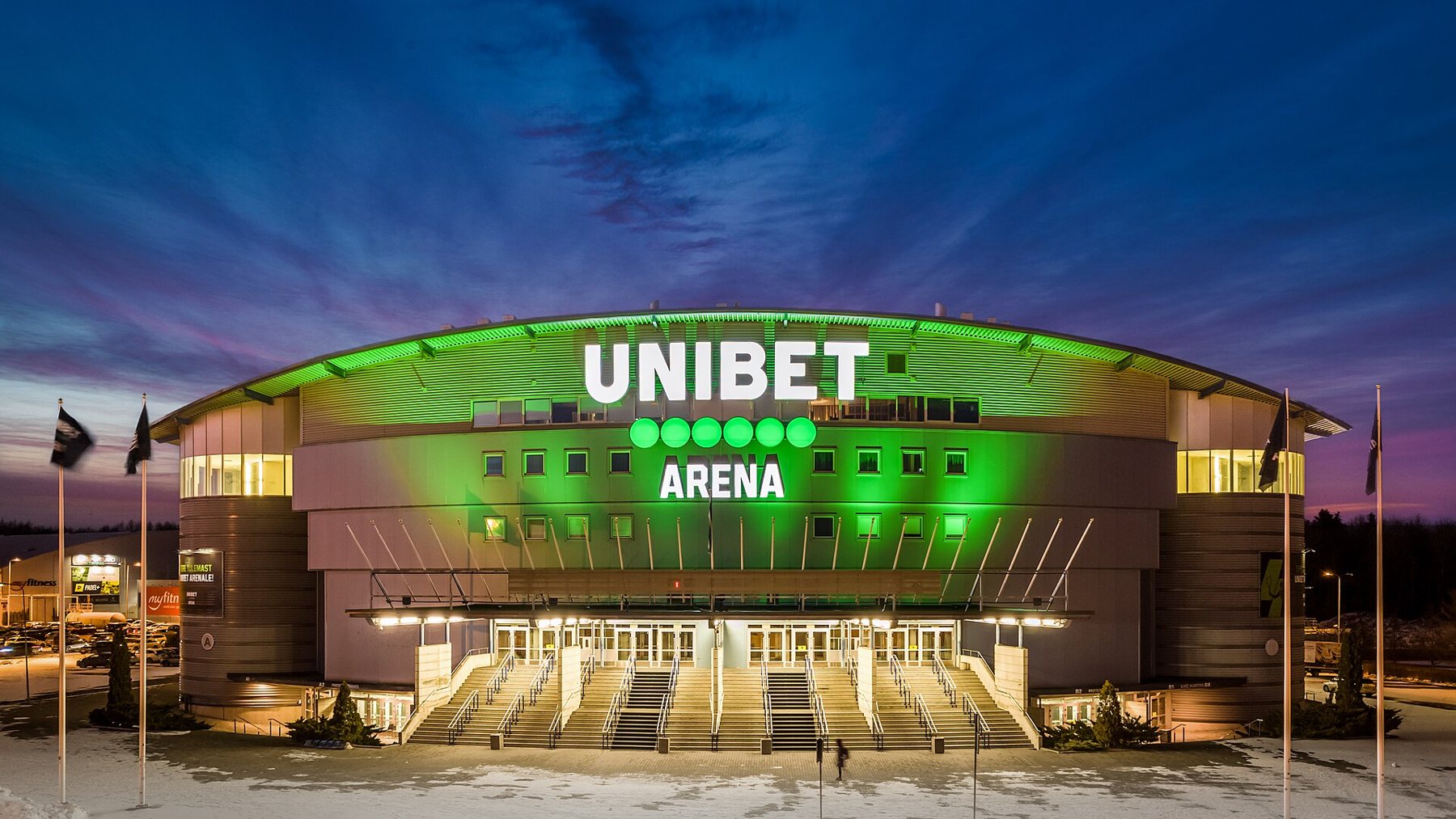
The final is on Saturday, January 30, at Unibet Arena in Tallinn, hosted by Koit Toome and Eda-Ines Etti. It runs in two rounds: juries and viewers, 50/50, send three songs to a superfinal, and then the public alone chooses Estonia's entry for Eurovision 2027 in Burgas, Bulgaria.
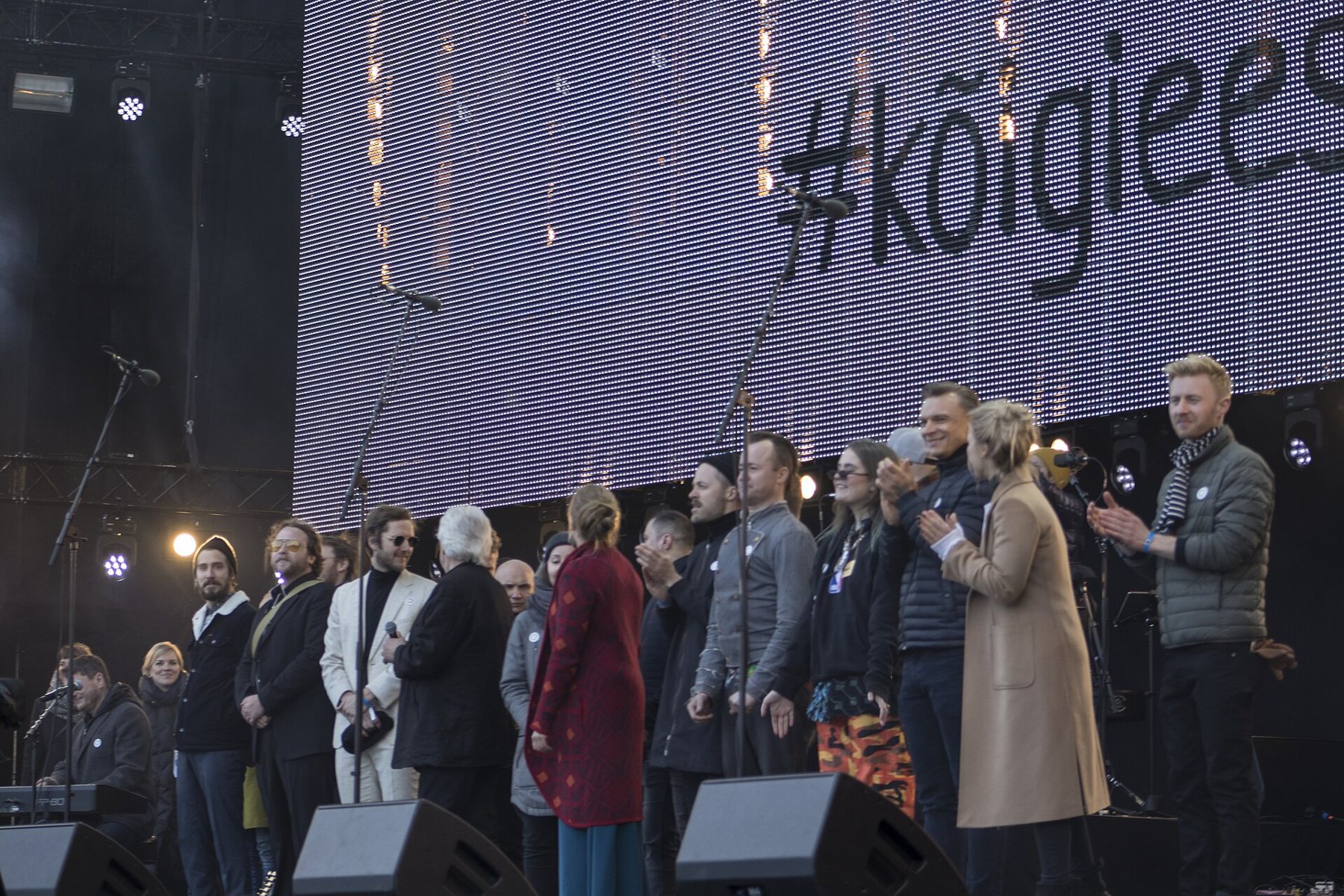
How we listened
This is a first listen, not a verdict. We watched the reveal as it aired and then ran the audio of all twelve music videos through a sound check: tempo, key, how the energy moves from the first second to the last, and how each song is built. The order below is our early, light-hearted read of how each might do on a Eurovision stage. Every one of these songs beat 143 others to get here, and staging and live vocals will change plenty between now and January.
A few things stand out across the field. Ten of the twelve songs are in a minor key, which is very much the sound of 2020s Eurovision. The two fastest, Zetod's and Laura's, both run above 160 beats per minute. And three of the videos run past three minutes, so those songs will get a trim, since Eurovision entries can be no longer than three minutes.

The twelve songs, in our early order
1. Zetod feat. hellika, “Kipõ-Kipõ”
The freshest sound of the night. Folk pop with a rock engine and polished production, and it hits full energy from the very first second, which is a rare thing in a three-minute song. It has the cheeky, crowd-lifting spirit of Austria's “Who the Hell Is Edgar?” from 2023. Read our feature on Zetod and the Seto roots of the song. Written by Jalmar Vabarna, Matis Leima, Jaanus Viskar, Martin Kütt and Artur Linnus.
2= Rita Ray, “Don't You Agree”
Warm, classy and wonderfully live-sounding, with a retro soul voice in the Amy Winehouse tradition. Its mix is the warmest of all twelve and leaves the voice plenty of room. This is the kind of song juries love, in the spirit of Italy's jazzy runner-up in 2011, Raphael Gualazzi's “Madness of Love.” Rita Ray, credited as Kristi Raias among the writers, made the song with German and Dutch friends she met at a festival, and they finished it in a studio in Hamburg.
2= Laura, “Metsapiiga”
Made for the Eurovision stage: up-tempo techno pop with a big build, sung by one of Estonia's most experienced live performers. Songwriter Vahur Valgmaa calls it techno in the style now popular in the Netherlands and Belgium, and the choreography team includes the people who worked on Tommy Cash's third place for Estonia in 2025.
4. OLLIE, “Sad Every Day”
Early-2000s pop rock is back, and OLLIE wears it well. Pop-rock verses burst into a chorus with a heavy guitar edge, a sound that will be familiar to anyone who grew up on Hilary Duff and the Finnish rock of the era. He says the song suits his voice better than his earlier Eesti Laul entries, which bodes well for a confident live show.
5. Jaagup Tuisk & WANDA, “kesk öö musta merd”
Smart, dramatic pop with the biggest dynamics of the field: our sound check found the widest swings between quiet and loud of all twelve. Both performers have musical-theater experience, and it shows in how the song is paced. It has real potential on a big stage.
6. Johanna Elise, “Getaway Car”
Charming modern pop that opens with a touch of James Bond and slides into a trap-pop groove. It measured as the most danceable song of the twelve. Johanna Elise works as a stage director and choreographer, so expect a carefully built staging.
7. PANØRAMA, Vemka & Hans Markus, “Reflection”
A pop song that drops into a fast, double-time chorus under a slow, soaring melody, written to show off the full range of Hans Markus, whom Estonian viewers know from Eesti otsib superstaari in 2023. Vemka comes to the trio from poetry. It also has one of the night's standout videos.
8. Traffic, “Laava”
Radio-ready, heavy-beat pop from a band that knows its audience, with a steady drive from start to finish and a striking, liminal music video. Its co-writers include two familiar Eurovision names: Stig Rästa, who wrote and sang Estonia's 2015 entry “Goodbye to Yesterday,” and Victor Crone, who sang for Estonia in 2019.
9. Pale Alison x Minimal Wind, “Superhuman”
The boldest swing of the night: avant-garde, metal-edged and full of contrast, with a dark, theatrical video. The artists describe it as extreme and explosive, and they mean it as a promise. A gift for viewers who want something different.
10. Kerli Kivilaan, “When the World Is Over”
Crisp, intimate production and a natural, honest vocal, with very little processing on the voice. It is a slow-burn song that saves its biggest moment for later, and it leaves lots of room for a moving live performance.
11. m els x J-Run, “HUSH HUSH”
The most club-ready track of the field: dark, modern and rave-inspired, with a disco pulse underneath. It is a Dutch–Estonian collaboration, with producer J-Run having spent more than ten years coming to Estonia, and it is built for the dance floor.
12. Daniel Levi, “Dust”
Polished, radio-friendly EDM pop with a laid-back, soulful vocal. Daniel Levi is one of the most experienced and confident performers in the lineup, and he would shine in the months of interviews and promotion that come with a Eurovision ticket.
A final back where Estonia's Eurovision story peaked
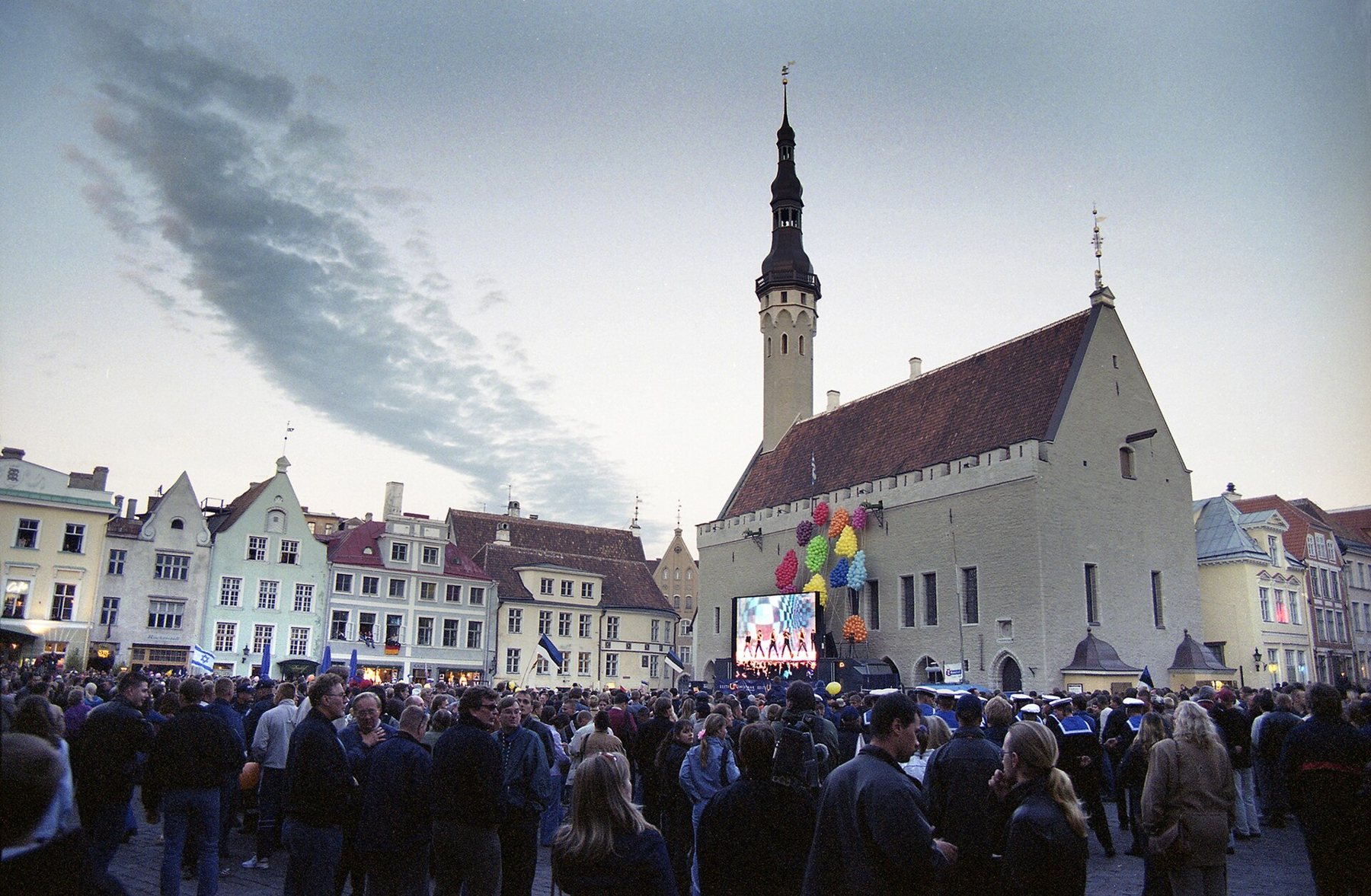
Estonia won Eurovision in 2001 with “Everybody” by Tanel Padar, Dave Benton and 2XL, and hosted the contest in Tallinn the following May at the arena then called Saku Suurhall. That same building, now Unibet Arena, hosts the Eesti Laul final on January 30. The winning songwriters then have until February 8 to confirm that they will represent Estonia; if they decline, the place passes to the next song in the ranking.
For the full sound check of every song, with tempo, key and energy side by side in English, Estonian, French and Spanish, see the Eesti Laul 2027 page on Douze Points, the unofficial Eurovision forecast site made by The Northern Voices founder.
Sources: ERR, which published the lineup and the music videos, and Eurovision.com. Our sound check uses the audio of the official music videos; competition versions may differ.

)%20(1).avif)